AMS Prevention for Nepal Treks
The best AMS prevention plan for a Nepal trek is a conservative itinerary: gradual ascent, rest days before major jumps, no pressure to keep climbing through symptoms, and medical questions handled before departure.
Direct answer
- Choose routes with planned acclimatization nights.
- Protect buffer days around high passes and base-camp pushes.
- Avoid alcohol early at altitude.
- Do not treat medication as permission to rush ascent.
How to review an itinerary
- Where does the first high sleeping night happen?
- Where are rest or acclimatization nights placed?
- Which day has the largest sleeping-altitude gain?
- Is there a backup plan if the group needs to slow down?
Route-specific planning notes
Use this guide with
Compare Everest Base Camp Trek - 14 Days
Review the itinerary, inclusions, cost notes, and booking options for the closest matching package.
Nepal Altitude Sickness Guide
Continue into the next planning question in this topic cluster.
Everest Region destination guide
Check destination details, route context, and nearby trip options.
Nepal travel FAQ
Verify practical details around visas, safety, packing, payment, and trip preparation.
Related packages
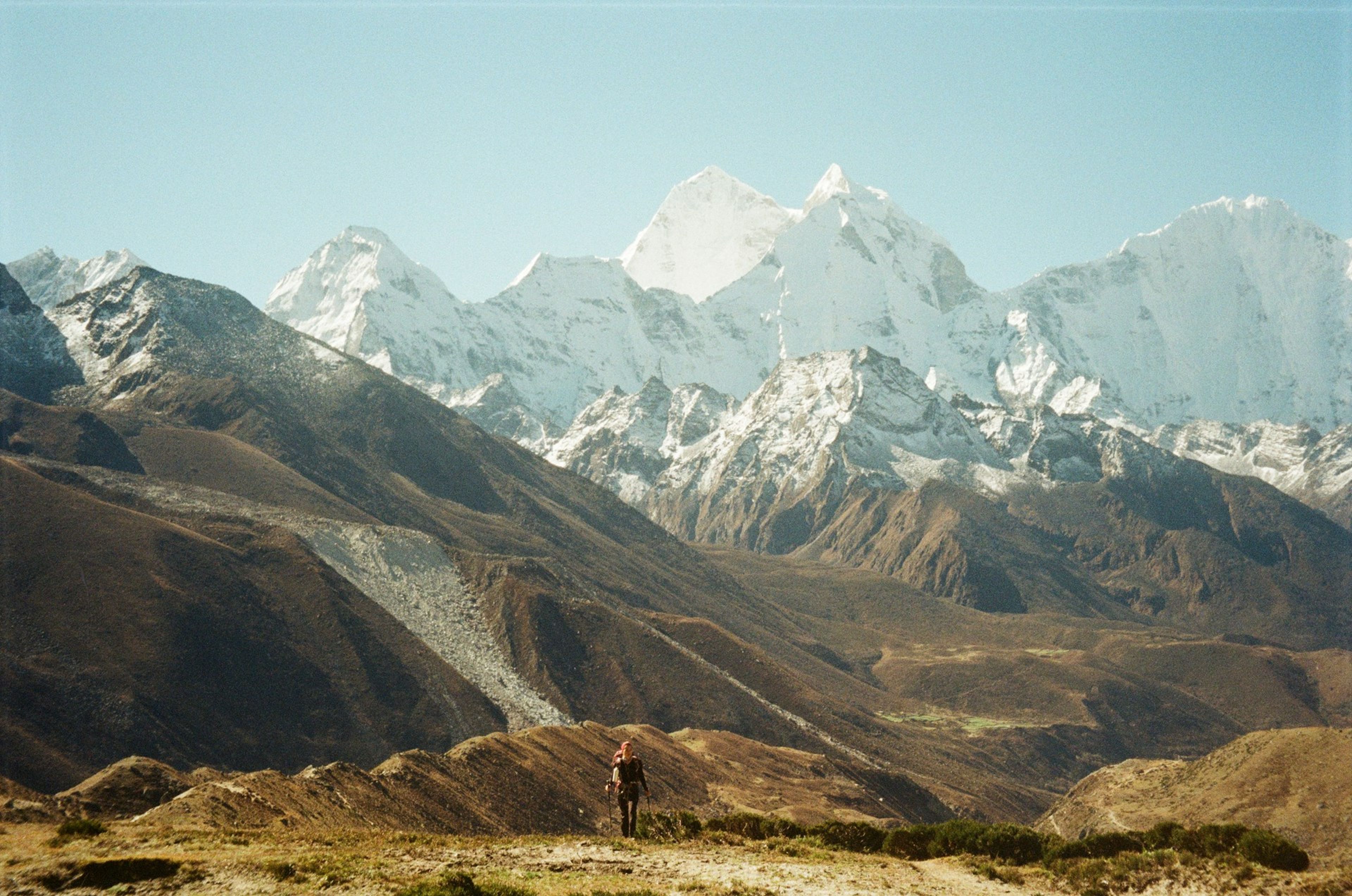
Everest Base Camp Trek - 14 Days
Experience the ultimate Himalayan adventure on this 14-day journey to Everest Base Camp, featuring stunning mountain vistas, Sherpa culture, and the iconic Kala Patthar sunrise.
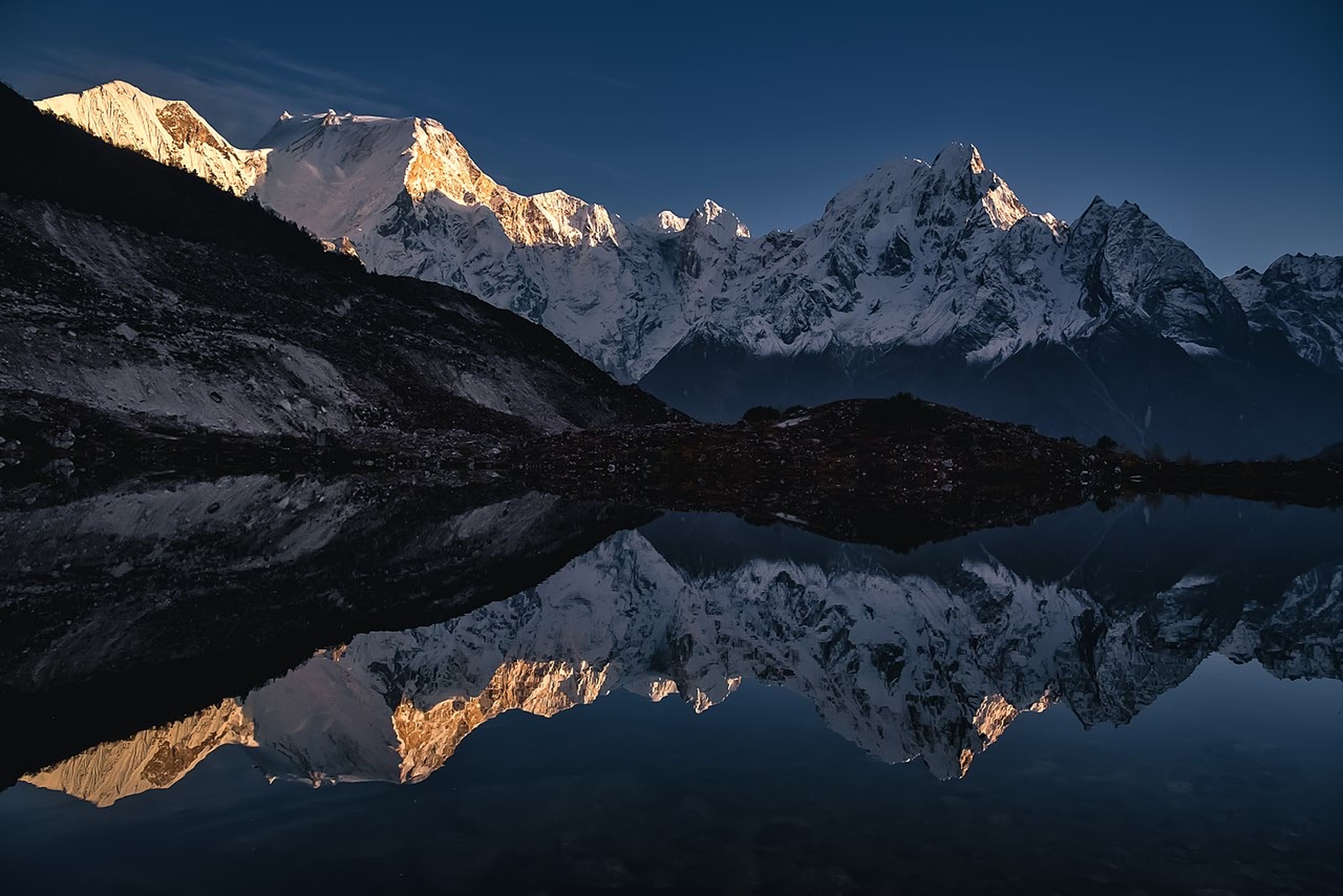
Manaslu Circuit Trek
Circle the world's eighth-highest peak on this remote adventure, crossing the spectacular Larkya La Pass at 5,167m.
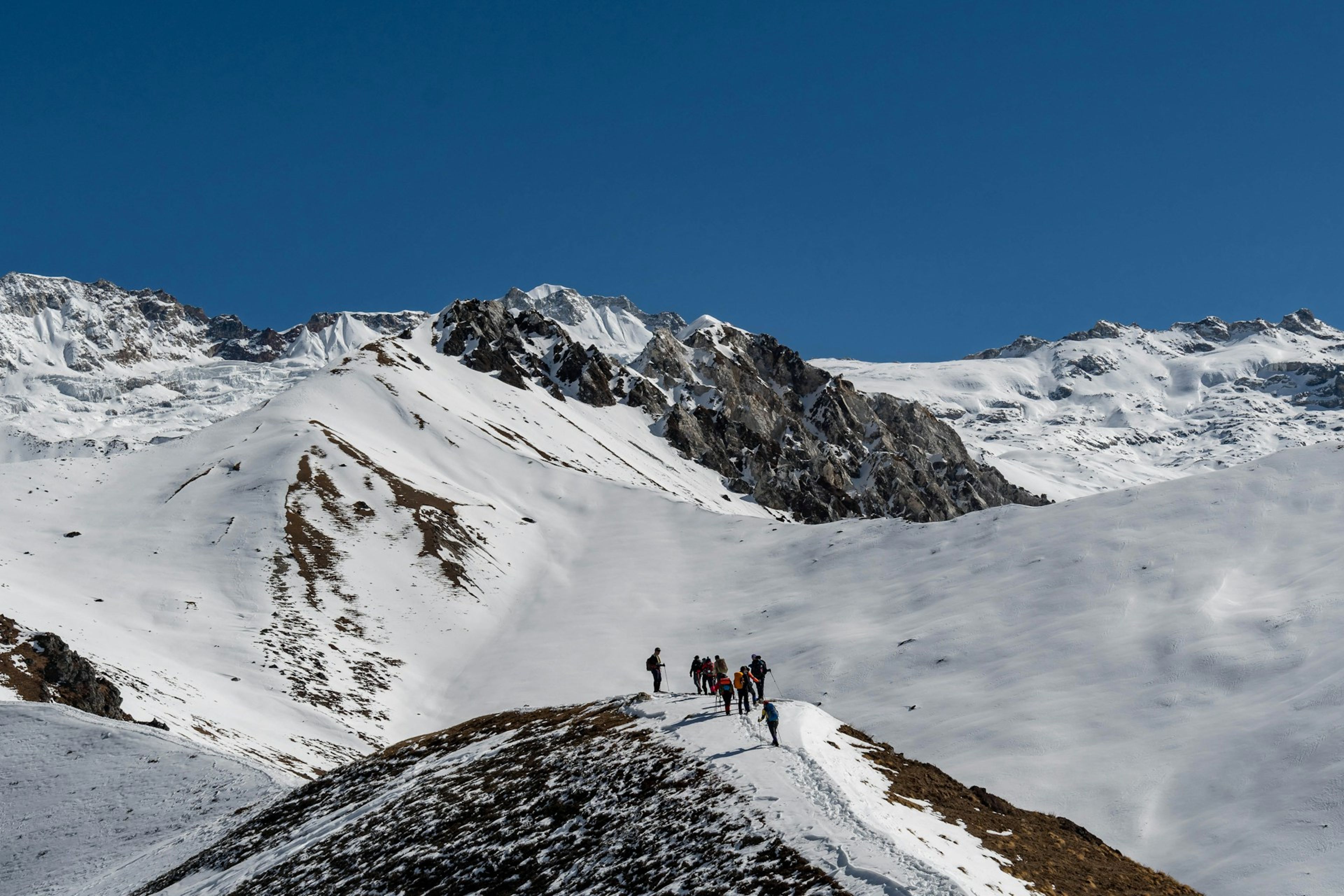
Langtang Valley Trek
Trek through the "Valley of Glaciers" to Kyanjin Gompa with stunning views of Langtang Lirung.
Frequently asked questions
Can AMS be prevented completely?
No plan can guarantee zero symptoms because susceptibility varies. A good itinerary reduces risk and makes it easier to respond early.
Is a fast Everest Base Camp itinerary a bad idea?
For most first-time high-altitude trekkers, a fast itinerary increases avoidable pressure. Choose pacing that protects acclimatization and buffer days.
Should I train harder to prevent AMS?
Training helps walking stamina but does not reliably prevent altitude illness. Pacing and symptom response are more important for AMS prevention.
Sources and official references
We use official and primary sources where possible. Travel rules, access, and operating conditions can change, so confirm requirements before departure.
CDC Yellow Book high-altitude travel and altitude illness
CDC Yellow Book 2026 medical reference for acclimatization, altitude illness risk, symptoms, treatment principles, and medication context.
Last checked May 6, 2026
CDC traveler page for high-altitude travel
CDC traveler-facing guidance for preparing for high altitude, symptoms, and when to seek help.
Last checked May 6, 2026
CDC Nepal traveler health
CDC country-specific traveler-health reference for Nepal pre-travel preparation.
Last checked May 6, 2026
Wilderness Medical Society altitude illness guideline update
Clinical practice guideline update for prevention, diagnosis, and treatment of acute altitude illness.
Last checked May 6, 2026