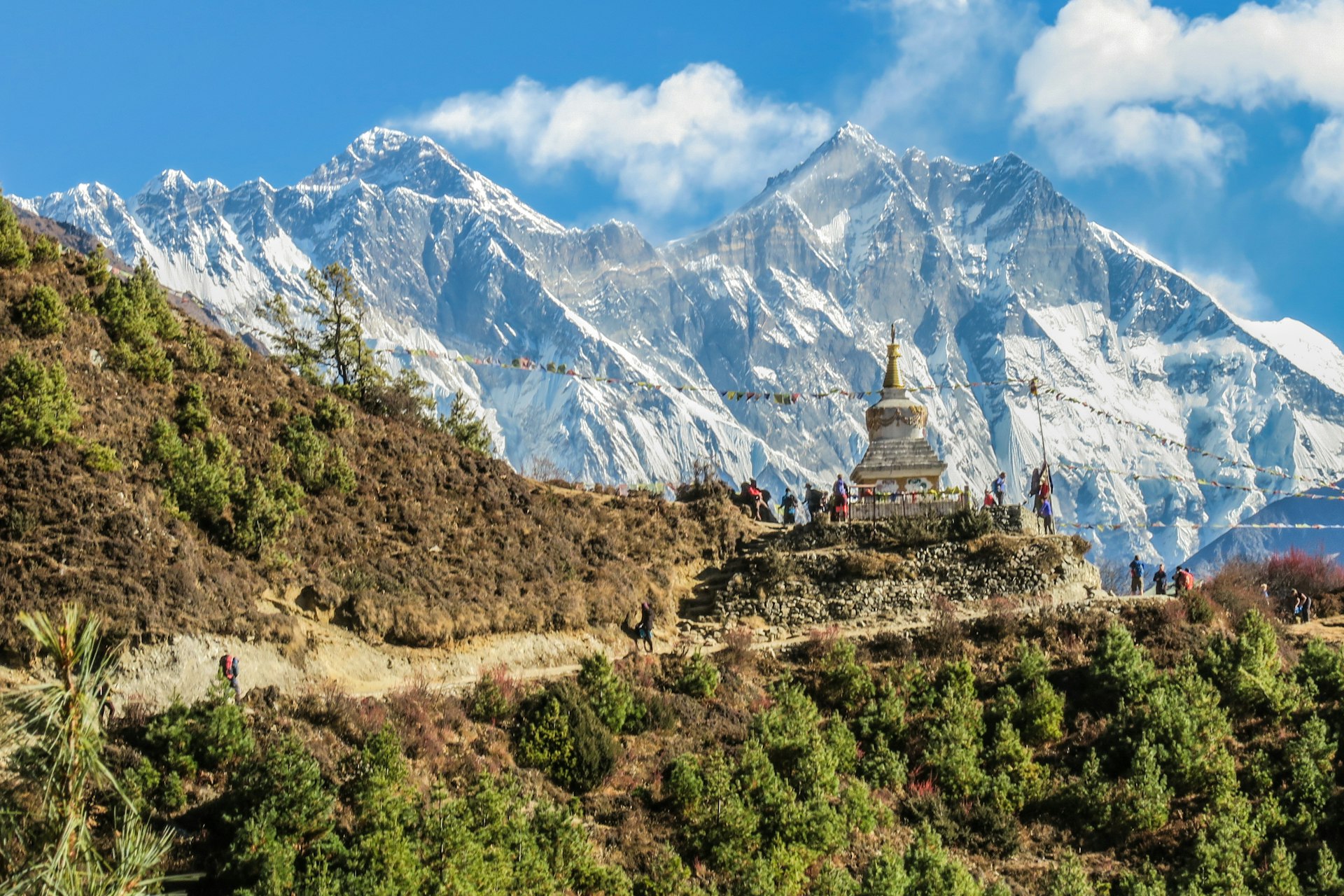
What to Do If You Get Altitude Sickness in Nepal
If you feel unwell after ascending in Nepal, do not hide symptoms and do not continue upward by default. Stop, tell your guide, reassess, and descend if symptoms worsen or severe warning signs appear.
Direct answer
- Do not climb higher with unresolved symptoms.
- Do not separate from the group to push on alone.
- Do not rely on handheld oxygen cans as an emergency plan.
- Use descent and professional medical support when serious symptoms appear.
Mild vs serious warning signs
Guide and evacuation decisions
Use this guide with
Compare Everest Base Camp Trek - 14 Days
Review the itinerary, inclusions, cost notes, and booking options for the closest matching package.
Nepal Altitude Sickness Guide
Continue into the next planning question in this topic cluster.
Everest Region destination guide
Check destination details, route context, and nearby trip options.
Nepal travel FAQ
Verify practical details around visas, safety, packing, payment, and trip preparation.
Related packages
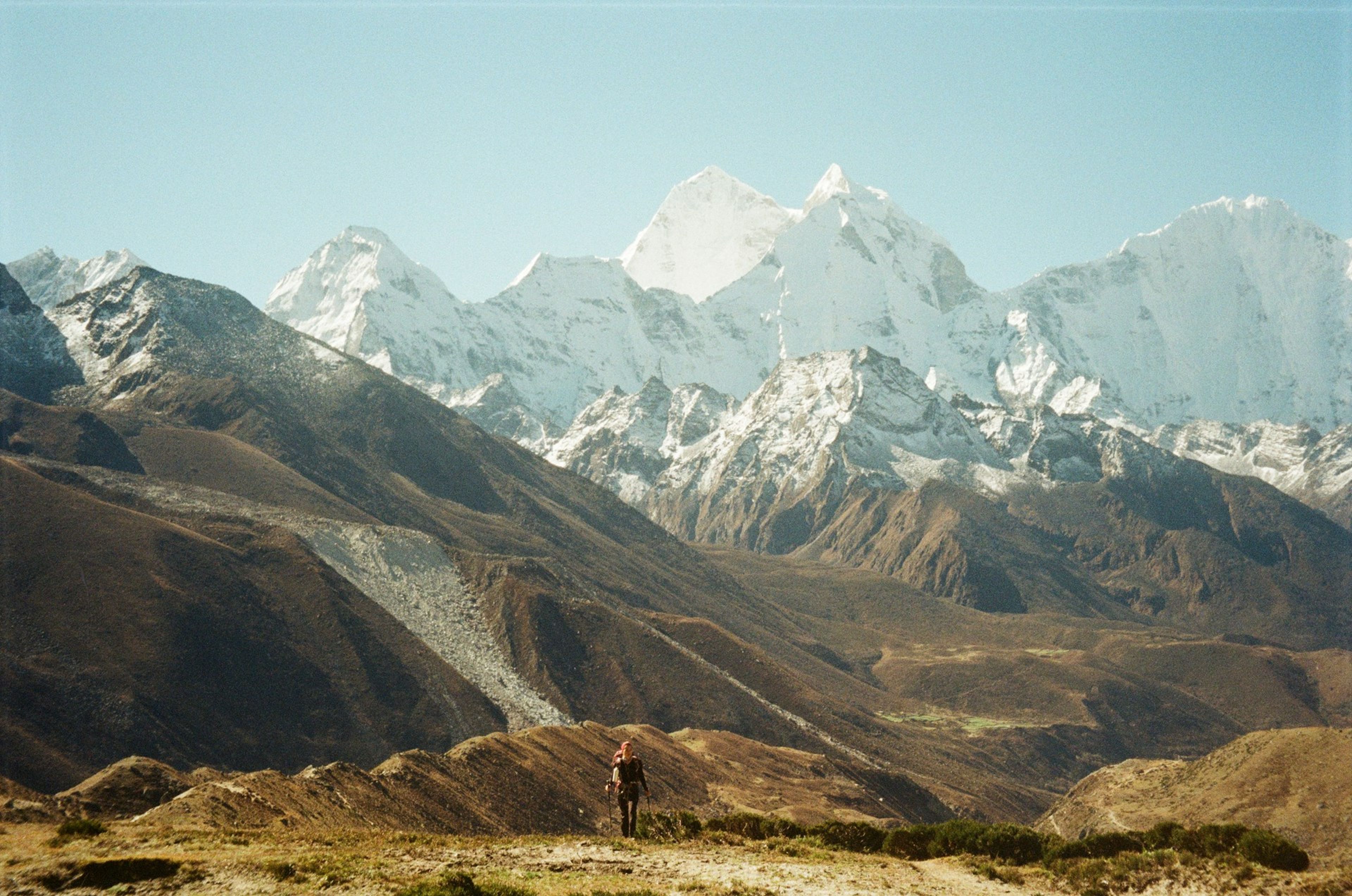
Everest Base Camp Trek - 14 Days
Experience the ultimate Himalayan adventure on this 14-day journey to Everest Base Camp, featuring stunning mountain vistas, Sherpa culture, and the iconic Kala Patthar sunrise.
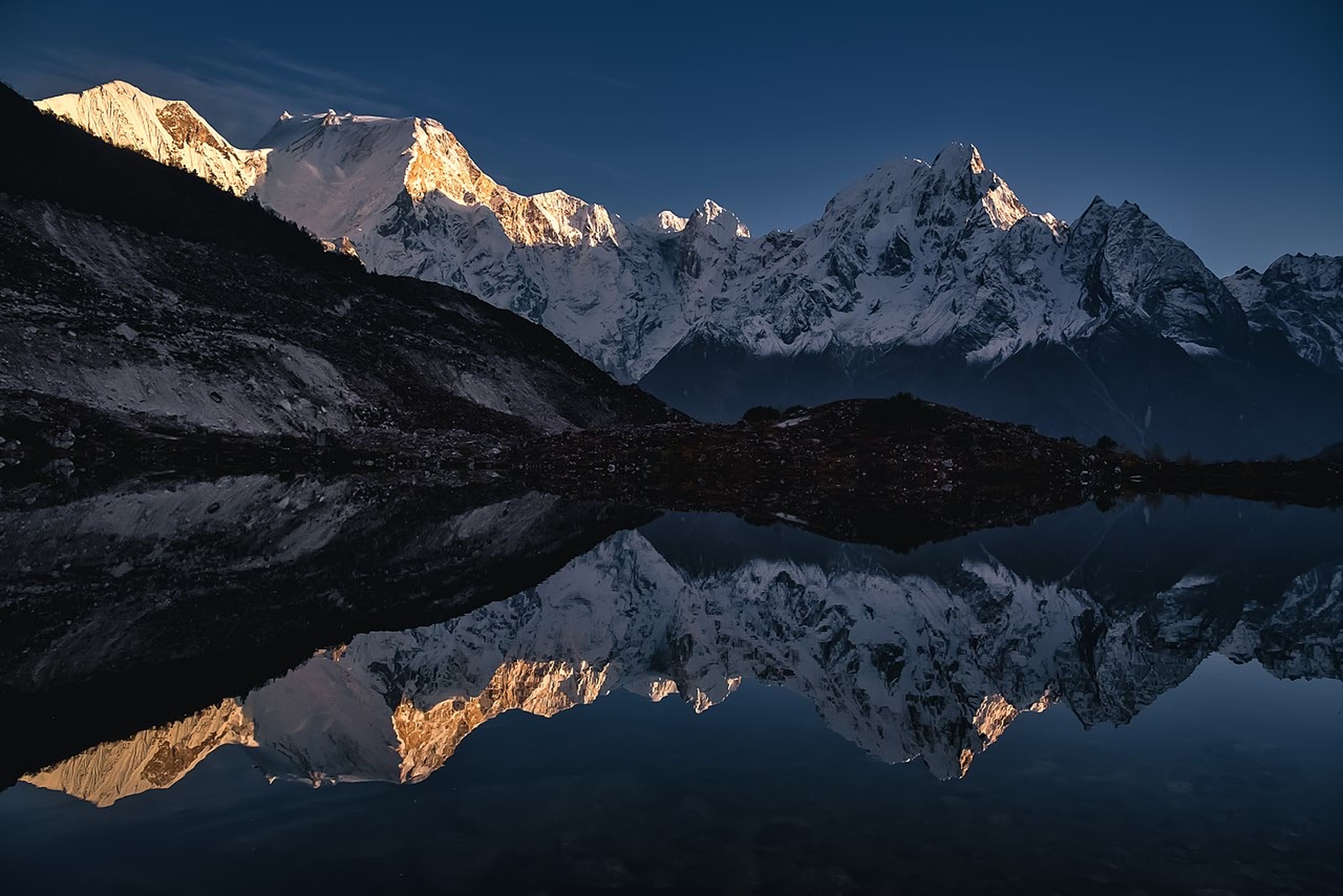
Manaslu Circuit Trek
Circle the world's eighth-highest peak on this remote adventure, crossing the spectacular Larkya La Pass at 5,167m.
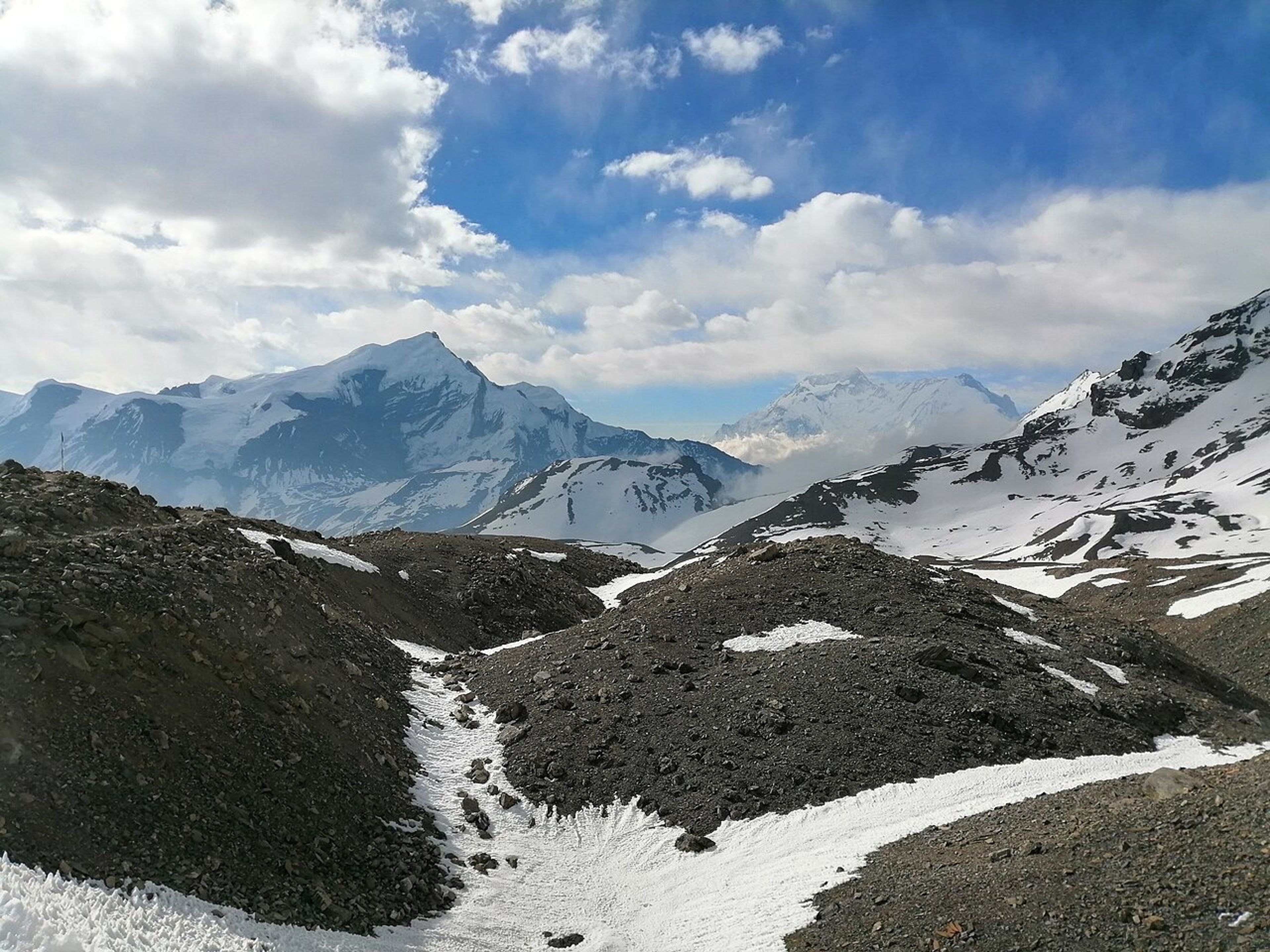
Annapurna Base Camp Trek - 11 Days
Journey to the heart of the Annapurna Sanctuary on this 11-day adventure featuring Poon Hill sunrise, traditional mountain villages, and spectacular views from ABC at 4,130m.
Frequently asked questions
Can I keep trekking if I have a headache at altitude?
Do not ascend while symptoms are unresolved. A headache after ascent can have many causes, but at altitude it should be treated cautiously until it improves and the guide is satisfied it is safe.
When is descent necessary?
Descent is necessary when symptoms worsen, severe symptoms appear, or the guide/clinician decides the current altitude is unsafe. Serious neurological or breathing signs need urgent action.
Does helicopter rescue replace good acclimatization?
No. Rescue is a backup for emergencies, not a planning shortcut. The goal is to prevent emergencies through pacing, symptom reporting, and conservative decisions.
Sources and official references
We use official and primary sources where possible. Travel rules, access, and operating conditions can change, so confirm requirements before departure.
Nepal tourist search, rescue, treatment, and monitoring procedure
Government tourism procedure reference for tourist rescue, treatment, and monitoring processes.
Last checked May 6, 2026
Civil Aviation Authority of Nepal
Official civil aviation authority reference for Nepal aviation oversight and operational context.
Last checked May 6, 2026
CDC Yellow Book high-altitude travel and altitude illness
CDC Yellow Book 2026 medical reference for acclimatization, altitude illness risk, symptoms, treatment principles, and medication context.
Last checked May 6, 2026
CDC Nepal traveler health
CDC country-specific traveler-health reference for Nepal pre-travel preparation.
Last checked May 6, 2026