Nepal Altitude Sickness Guide
Altitude sickness in Nepal is mainly a pacing and response problem: ascend gradually, sleep conservatively, treat symptoms early, and never continue upward when symptoms are worsening. This guide is practical planning content, not personal medical advice.
Short answer for Nepal trekkers
- Do not rush sleeping-altitude gain after the trail reaches higher elevations.
- Use rest days before major altitude jumps, not only after symptoms appear.
- Symptoms that worsen at the same altitude should trigger a descent conversation.
- Severe confusion, poor coordination, breathlessness at rest, or a wet cough is urgent.
The decision rule that matters most
Where Nepal itineraries usually become risky
- Everest: Namche, Dingboche, Lobuche, Gorak Shep, Kala Patthar, and Gokyo decisions.
- Annapurna Circuit: Manang rest planning before Thorong La.
- Manaslu: Samagaun, Samdo, Dharamsala, and Larkya La pacing.
- Langtang: Kyanjin Gompa and optional viewpoint days.
What this page can and cannot do
Use this guide with
Compare Everest Base Camp Trek - 14 Days
Review the itinerary, inclusions, cost notes, and booking options for the closest matching package.
AMS Prevention for Nepal Treks
Continue into the next planning question in this topic cluster.
Everest Region destination guide
Check destination details, route context, and nearby trip options.
Nepal travel FAQ
Verify practical details around visas, safety, packing, payment, and trip preparation.
Related packages
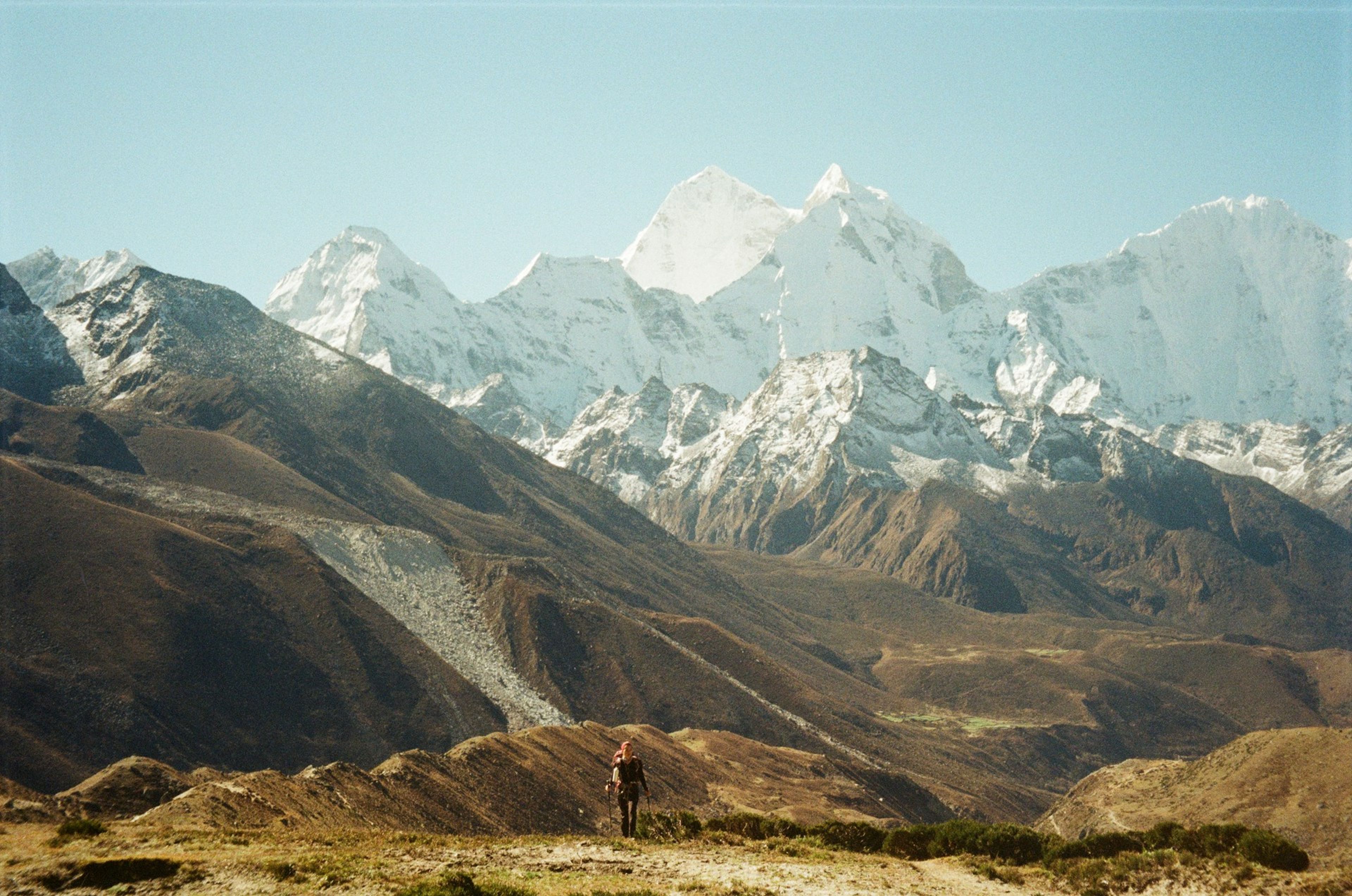
Everest Base Camp Trek - 14 Days
Experience the ultimate Himalayan adventure on this 14-day journey to Everest Base Camp, featuring stunning mountain vistas, Sherpa culture, and the iconic Kala Patthar sunrise.
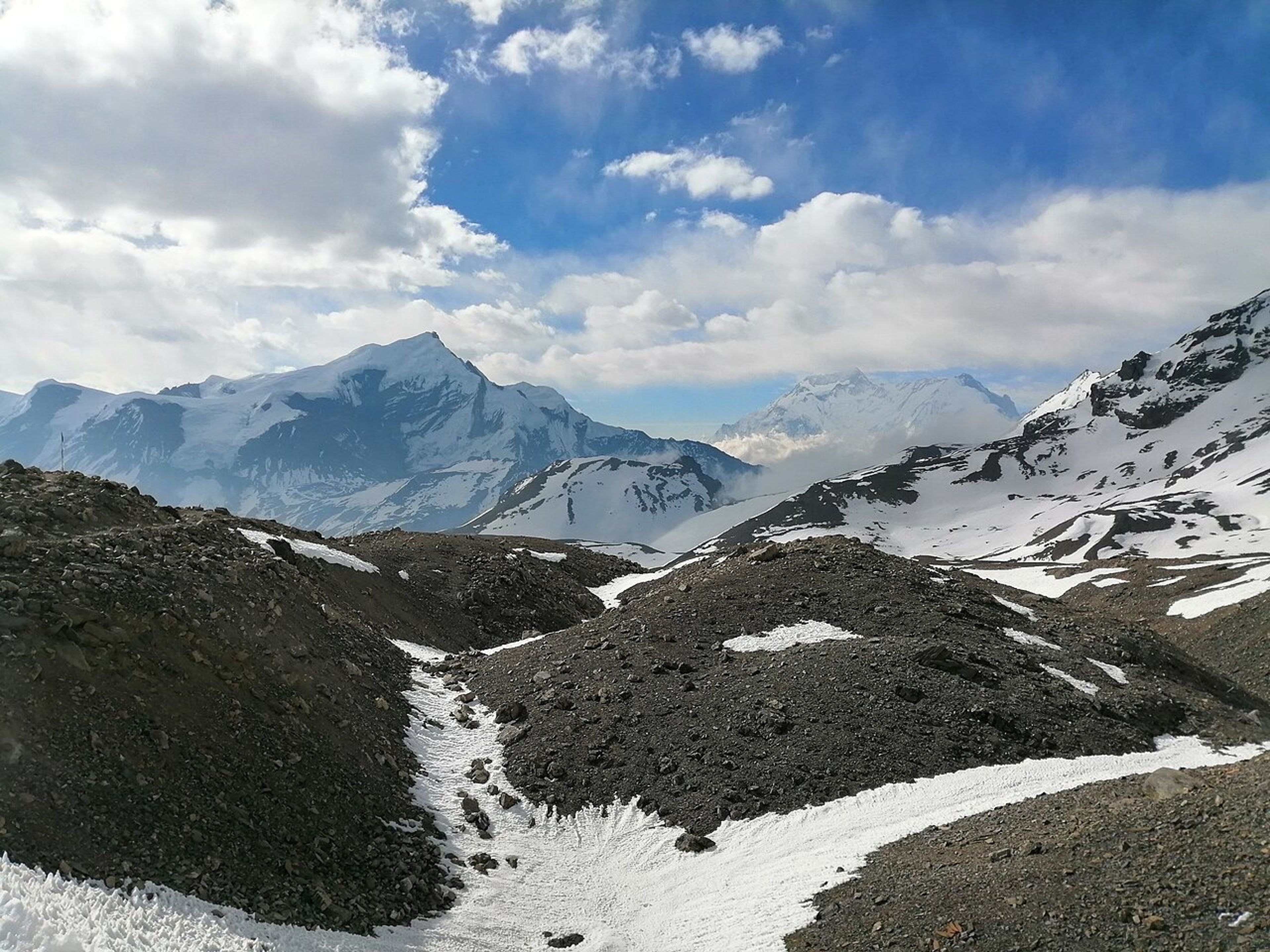
Annapurna Base Camp Trek - 11 Days
Journey to the heart of the Annapurna Sanctuary on this 11-day adventure featuring Poon Hill sunrise, traditional mountain villages, and spectacular views from ABC at 4,130m.
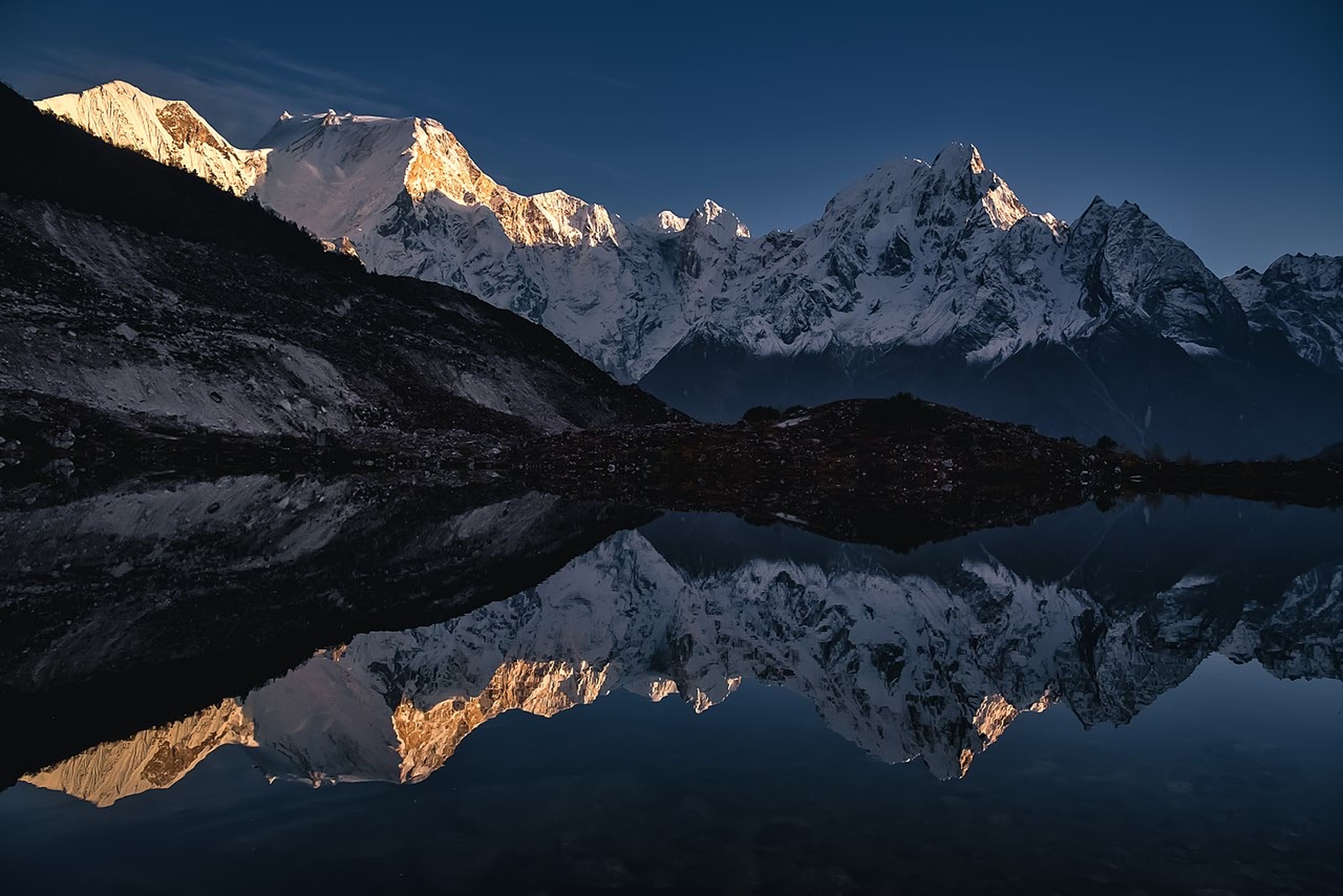
Manaslu Circuit Trek
Circle the world's eighth-highest peak on this remote adventure, crossing the spectacular Larkya La Pass at 5,167m.
Frequently asked questions
Can a fit person still get altitude sickness in Nepal?
Yes. Fitness does not remove altitude-illness risk. Prior altitude response, ascent rate, sleeping altitude, symptoms, hydration, illness, fatigue, and itinerary design matter more.
What is the safest first response to altitude symptoms?
Stop ascending, tell the guide immediately, rest, monitor symptoms, and prepare to descend if symptoms worsen or do not improve. Severe neurological or breathing symptoms are urgent.
Should I take Diamox for a Nepal trek?
Discuss acetazolamide or any altitude medication with a clinician before travel. Do not self-prescribe from an online guide because allergies, interactions, pregnancy, kidney issues, and other conditions can change the advice.
Sources and official references
We use official and primary sources where possible. Travel rules, access, and operating conditions can change, so confirm requirements before departure.
CDC Yellow Book high-altitude travel and altitude illness
CDC Yellow Book 2026 medical reference for acclimatization, altitude illness risk, symptoms, treatment principles, and medication context.
Last checked May 6, 2026
CDC traveler page for high-altitude travel
CDC traveler-facing guidance for preparing for high altitude, symptoms, and when to seek help.
Last checked May 6, 2026
CDC Nepal traveler health
CDC country-specific traveler-health reference for Nepal pre-travel preparation.
Last checked May 6, 2026
Wilderness Medical Society altitude illness guideline update
Clinical practice guideline update for prevention, diagnosis, and treatment of acute altitude illness.
Last checked May 6, 2026