High-Altitude Trek Readiness for Nepal
High-altitude trek readiness is not only fitness. A ready traveler has a conservative route, understands symptoms, has the right insurance, has asked medical questions early, and is willing to slow down or descend.
Direct answer
- Can you walk multi-hour uphill days on back-to-back days?
- Have you discussed heart, lung, sleep, pregnancy, or medication issues with a clinician?
- Does the itinerary include acclimatization and buffers?
- Will you report symptoms early even if the group wants to continue?
Match trek ambition to risk
When to choose a lower route first
Use this guide with
Compare Annapurna Base Camp Trek - 11 Days
Review the itinerary, inclusions, cost notes, and booking options for the closest matching package.
Nepal Altitude Sickness Guide
Continue into the next planning question in this topic cluster.
Everest Region destination guide
Check destination details, route context, and nearby trip options.
Nepal travel FAQ
Verify practical details around visas, safety, packing, payment, and trip preparation.
Related packages
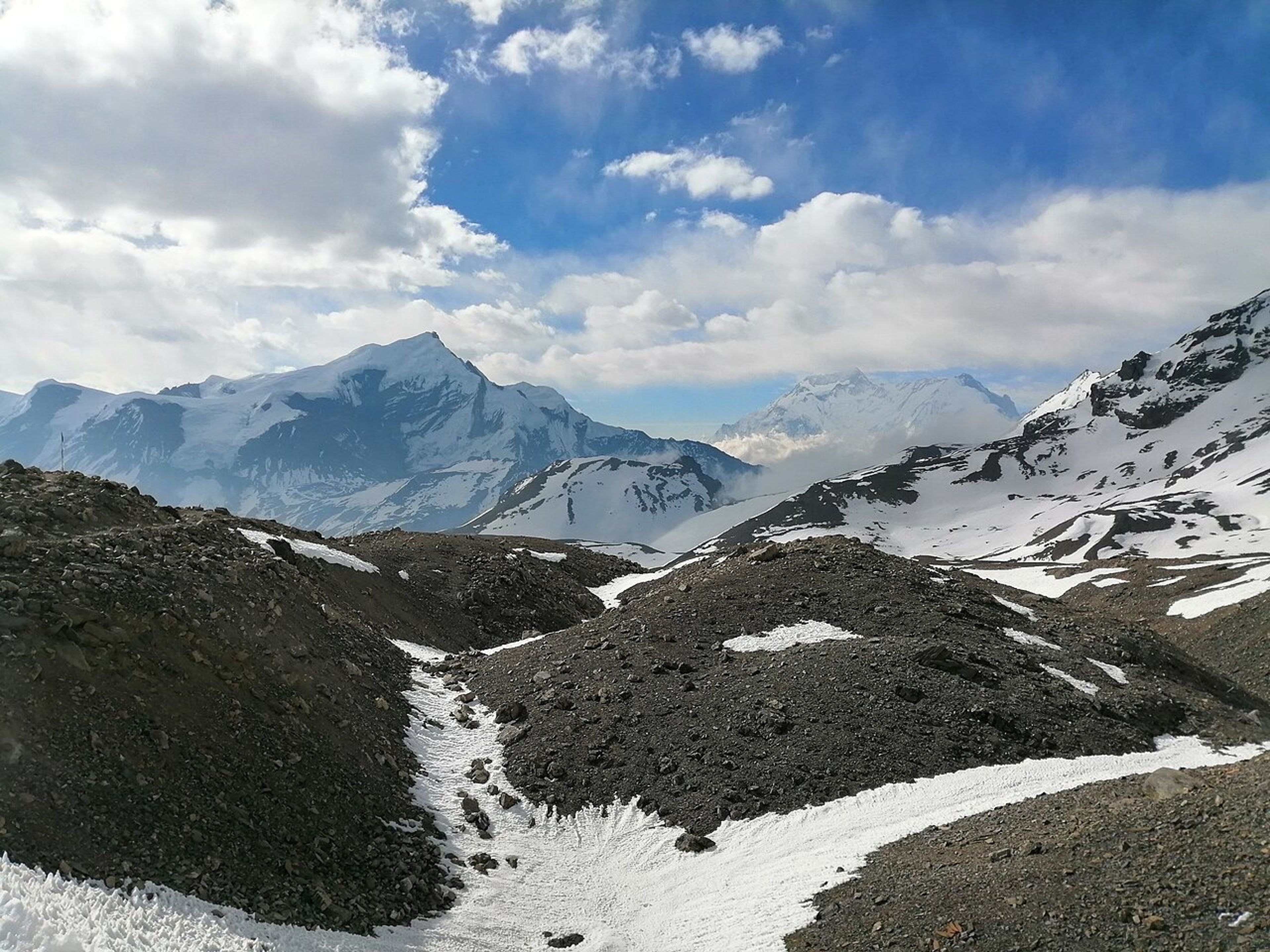
Annapurna Base Camp Trek - 11 Days
Journey to the heart of the Annapurna Sanctuary on this 11-day adventure featuring Poon Hill sunrise, traditional mountain villages, and spectacular views from ABC at 4,130m.
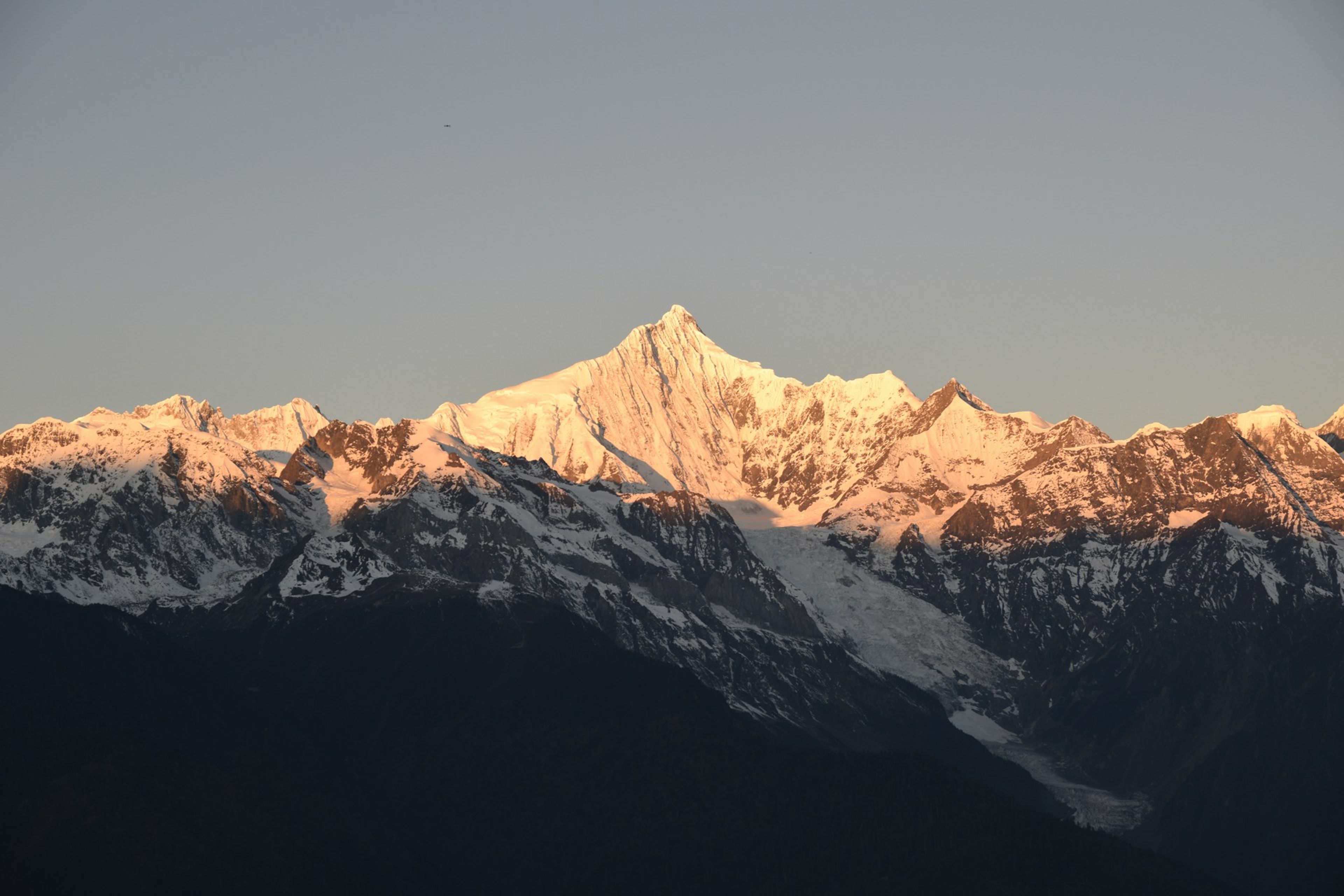
Mardi Himal Trek - 6 Days
Escape the crowds on this 6-day hidden gem trek to Mardi Himal Base Camp, featuring pristine rhododendron forests and spectacular Annapurna panoramas.
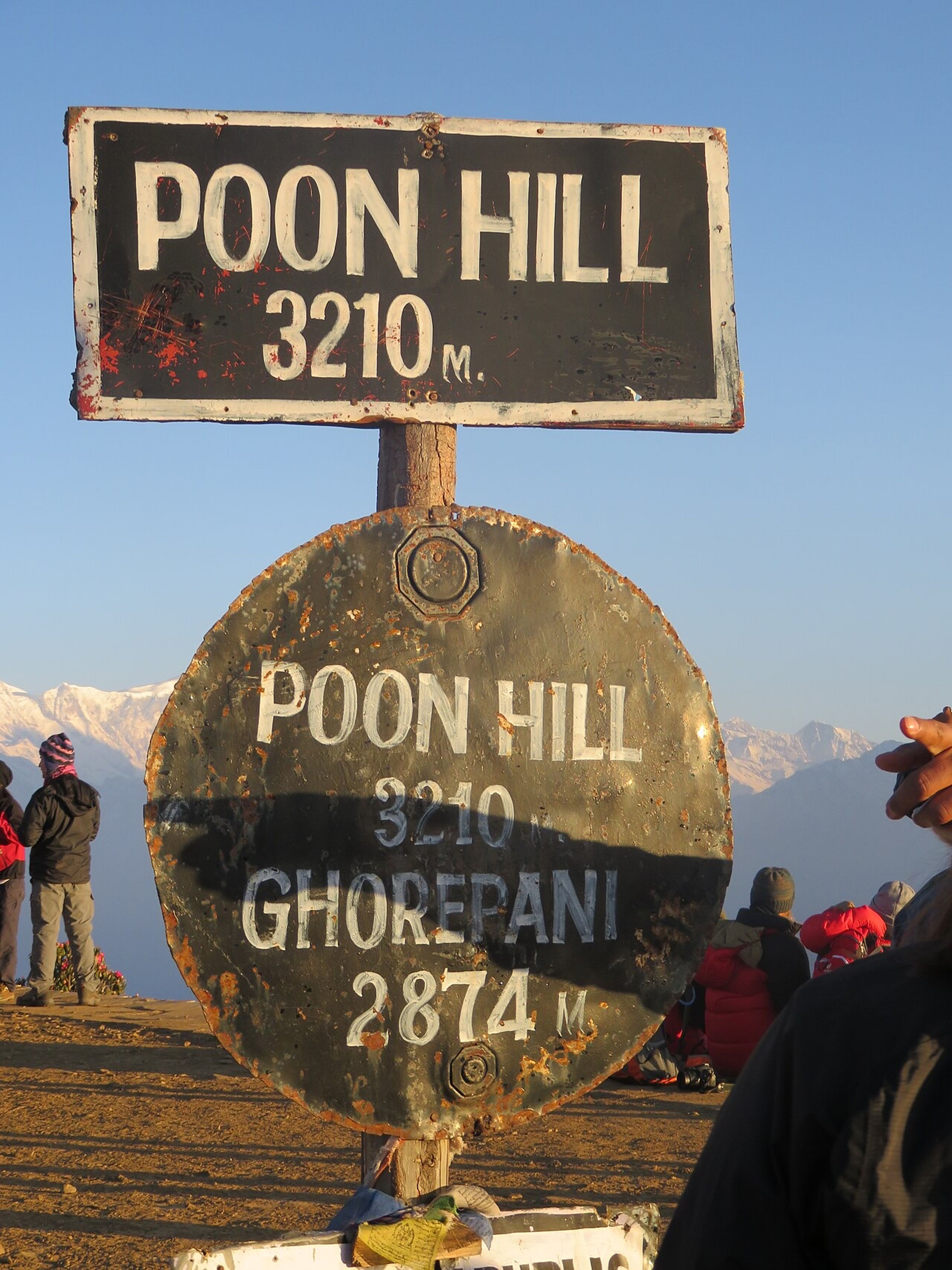
Ghorepani Poon Hill Trek - 5 Days
Experience the best of the Annapurna region in just 5 days with this accessible trek to the famous Poon Hill sunrise viewpoint, featuring rhododendron forests and traditional village stays.
Frequently asked questions
Is Everest Base Camp suitable as a first high-altitude trek?
It can be for some travelers if the itinerary is conservative and the traveler is honest about symptoms. A slower plan is better than a compressed one.
Is Annapurna Base Camp easier than Everest Base Camp?
Usually yes for logistics and altitude exposure, but it still reaches high mountain terrain and should be paced sensibly.
What is the biggest readiness mistake?
Treating fitness as the only requirement. Altitude judgement, buffer days, insurance, guide support, and willingness to descend matter just as much.
Sources and official references
We use official and primary sources where possible. Travel rules, access, and operating conditions can change, so confirm requirements before departure.
CDC Yellow Book high-altitude travel and altitude illness
CDC Yellow Book 2026 medical reference for acclimatization, altitude illness risk, symptoms, treatment principles, and medication context.
Last checked May 6, 2026
CDC traveler page for high-altitude travel
CDC traveler-facing guidance for preparing for high altitude, symptoms, and when to seek help.
Last checked May 6, 2026
CDC Nepal traveler health
CDC country-specific traveler-health reference for Nepal pre-travel preparation.
Last checked May 6, 2026
Wilderness Medical Society altitude illness guideline update
Clinical practice guideline update for prevention, diagnosis, and treatment of acute altitude illness.
Last checked May 6, 2026