General
Basic information about visiting Nepal
What is the best time to visit Nepal?
The best times to visit Nepal are during spring (March–May) and autumn (September–November) when the weather is clear and temperatures are moderate. Spring brings blooming rhododendrons while autumn offers the clearest mountain views.
Do I need a visa to visit Nepal?
Most nationalities can obtain a visa on arrival at Tribhuvan International Airport. We also offer visa assistance services for a hassle-free experience.
What languages are spoken in Nepal?
Nepali is the official language, but English is widely spoken in tourist areas, hotels, and by trekking guides. You will have no trouble communicating during your trip.
Is Nepal safe for solo travelers?
Nepal is generally very safe for solo travelers. The local people are welcoming and friendly. However, we recommend using a licensed guide for trekking, especially in remote areas.
Booking & Payment
Everything about reservations and payments
How far in advance should I book?
We recommend booking at least 2–3 months in advance for peak season trips (October–November, March–April). For custom packages and special events, 4–6 months is ideal.
What payment methods do you accept?
We accept all major credit cards, bank transfers, and SWIFT transfers. A 30% deposit is required to confirm your booking, with the remaining balance due 30 days before departure.
What is your cancellation policy?
Cancellations made 30+ days before departure receive a full refund minus a small processing fee. Cancellations within 15–30 days receive a 50% refund. Within 14 days, no refund is provided. Trip insurance is highly recommended.
Can I customize a package?
Absolutely. We specialize in creating tailor-made itineraries. Contact us with your preferences, group size, dates, and budget, and our team will design the perfect trip for you.
Trekking & Adventure
Prepare for your Himalayan adventure
Do I need prior trekking experience?
Not necessarily. We offer treks for all fitness levels, from easy walks through villages to challenging high-altitude expeditions. Our team will recommend the best route based on your experience and goals.
What is the altitude sickness risk?
Altitude sickness can affect anyone above 2,500m. Our itineraries include proper acclimatization days, and our guides are trained to recognize symptoms early. We carry first-aid supplies and maintain communication with rescue services.
What gear do I need to bring?
We provide a detailed packing list after booking. Essential items include sturdy hiking boots, layered clothing, a good sleeping bag, and sun protection. Most gear can also be rented or purchased in Kathmandu's Thamel area.
Are helicopter tours available for non-trekkers?
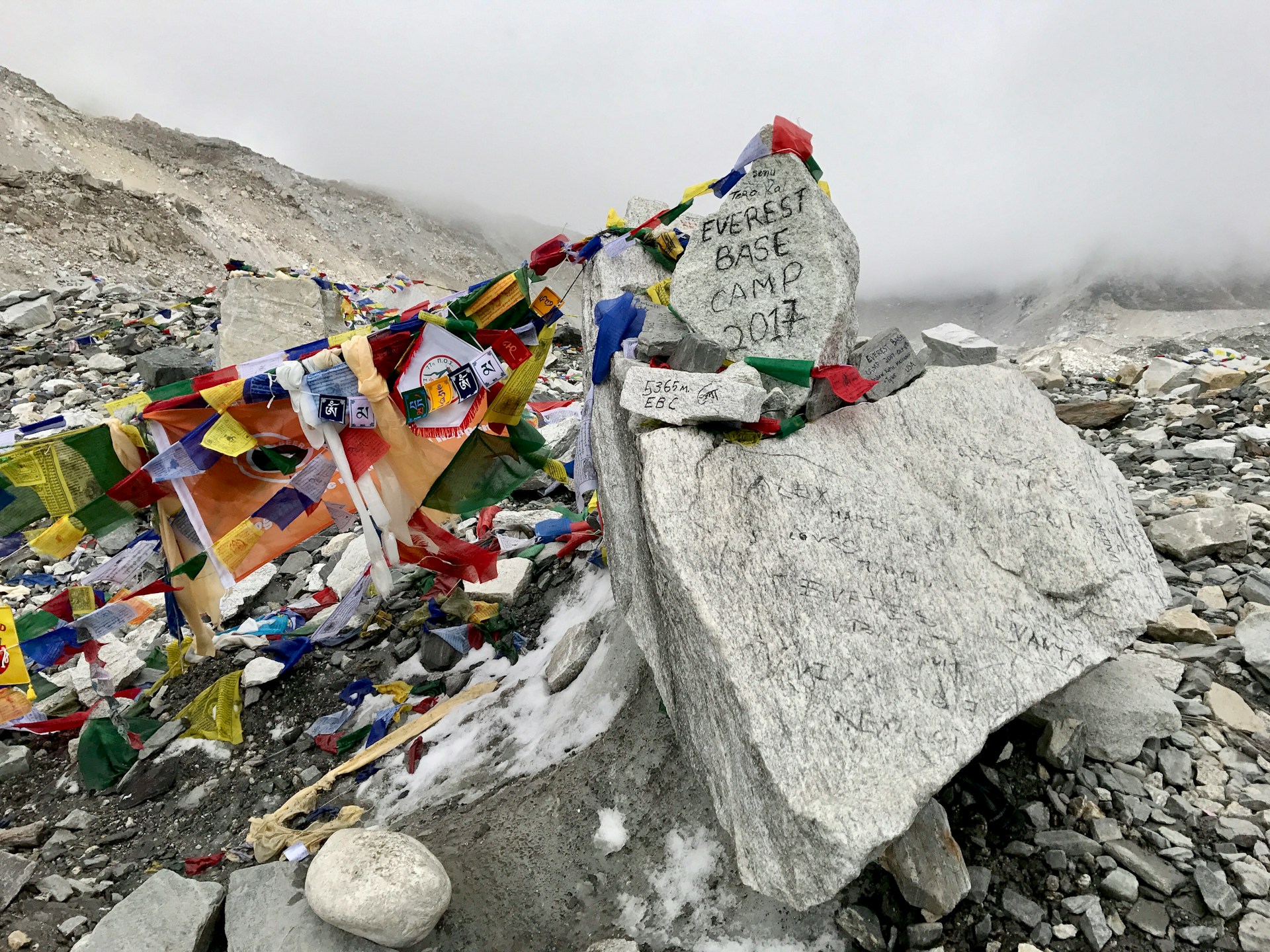
Yes. Our helicopter tours let you experience Everest Base Camp, Annapurna, and other iconic locations without any trekking. Flights typically last 3–5 hours and include landing at key viewpoints.
Travel Planning
Plan your perfect Nepal trip
What is included in your packages?
Our packages typically include airport transfers, accommodation, meals as specified, licensed guides, porters (for treks), permits, and internal transportation. Specific inclusions vary by package and are clearly listed on each trip page.
Do you arrange travel insurance?
While we do not directly sell insurance, we strongly recommend purchasing comprehensive travel insurance that covers high-altitude trekking, helicopter evacuation, and trip cancellation. We can recommend trusted providers.
What type of accommodation can I expect?
Accommodation varies by trip. In Kathmandu and Pokhara, we use 3–5 star hotels. During treks, you stay in teahouses or mountain lodges. Our luxury packages include premium lodges with private rooms and hot showers.
Can you accommodate dietary restrictions?
Yes. Nepali cuisine includes many vegetarian and vegan options. Please inform us of any dietary needs at the time of booking and we will ensure your meals are prepared accordingly throughout your trip.
Safety & Health
Stay safe and healthy during your trip
What safety measures do you have in place?
All our guides are licensed and trained in first aid. We carry satellite phones and emergency communication devices on treks. We have established relationships with helicopter evacuation services and maintain strict safety protocols.
Do I need vaccinations before traveling to Nepal?
We recommend consulting your doctor at least 6 weeks before travel. Common recommendations include Hepatitis A & B, Typhoid, and routine vaccinations. Malaria prophylaxis may be advised for lowland Terai regions.
Is drinking water safe in Nepal?
Tap water is not safe to drink. We provide purified water during treks and recommend water purification tablets or a UV filter. Bottled water is widely available in cities and along popular trekking routes.
What happens in case of a medical emergency?
Our guides carry first-aid kits and are trained in emergency response. In serious cases, we coordinate helicopter evacuation to Kathmandu, which has hospitals equipped for most emergencies. This is why travel insurance is essential.
Need More Help?
Can't find what you're looking for? Our travel experts are ready to assist you.
Contact UsPopular Packages
Explore our most-loved trips