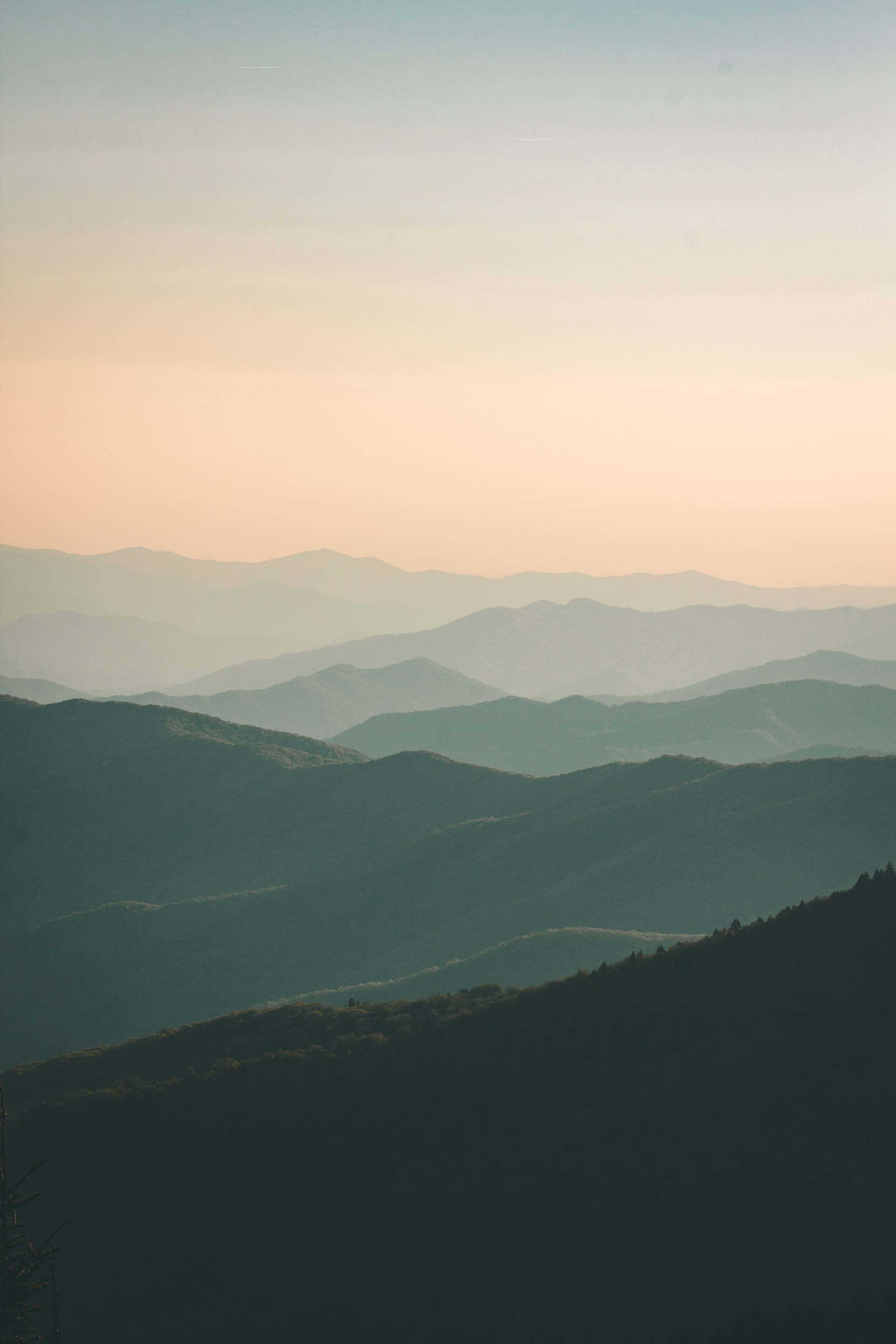
Helicopter Rescue in Nepal
Helicopter rescue in Nepal is an emergency pathway, not a guarantee or a substitute for safe pacing. Trekkers should understand insurance wording, operator procedures, weather limits, and symptom-response rules before the trip begins.
Direct answer
- Confirm maximum covered altitude in writing.
- Carry insurer emergency phone numbers offline.
- Share policy details with the operator before trekking.
- Do not assume helicopter rescue can fly in any weather or terrain.
How rescue usually starts
Why insurance wording matters
No-price policy
Use this guide with
Compare Everest Base Camp Trek - 14 Days
Review the itinerary, inclusions, cost notes, and booking options for the closest matching package.
Nepal Altitude Sickness Guide
Continue into the next planning question in this topic cluster.
Everest Region destination guide
Check destination details, route context, and nearby trip options.
Nepal travel FAQ
Verify practical details around visas, safety, packing, payment, and trip preparation.
Related packages
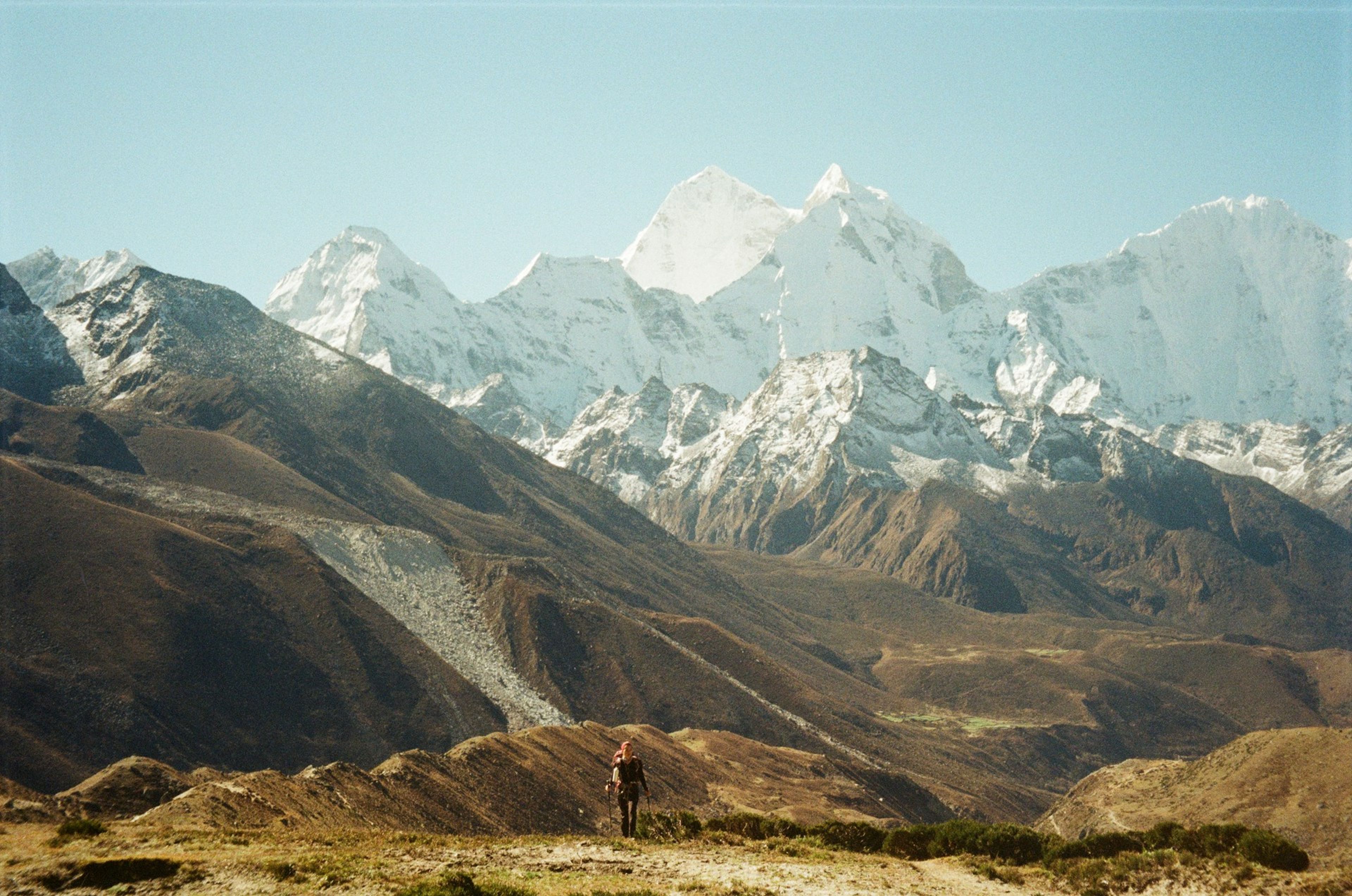
Everest Base Camp Trek - 14 Days
Experience the ultimate Himalayan adventure on this 14-day journey to Everest Base Camp, featuring stunning mountain vistas, Sherpa culture, and the iconic Kala Patthar sunrise.
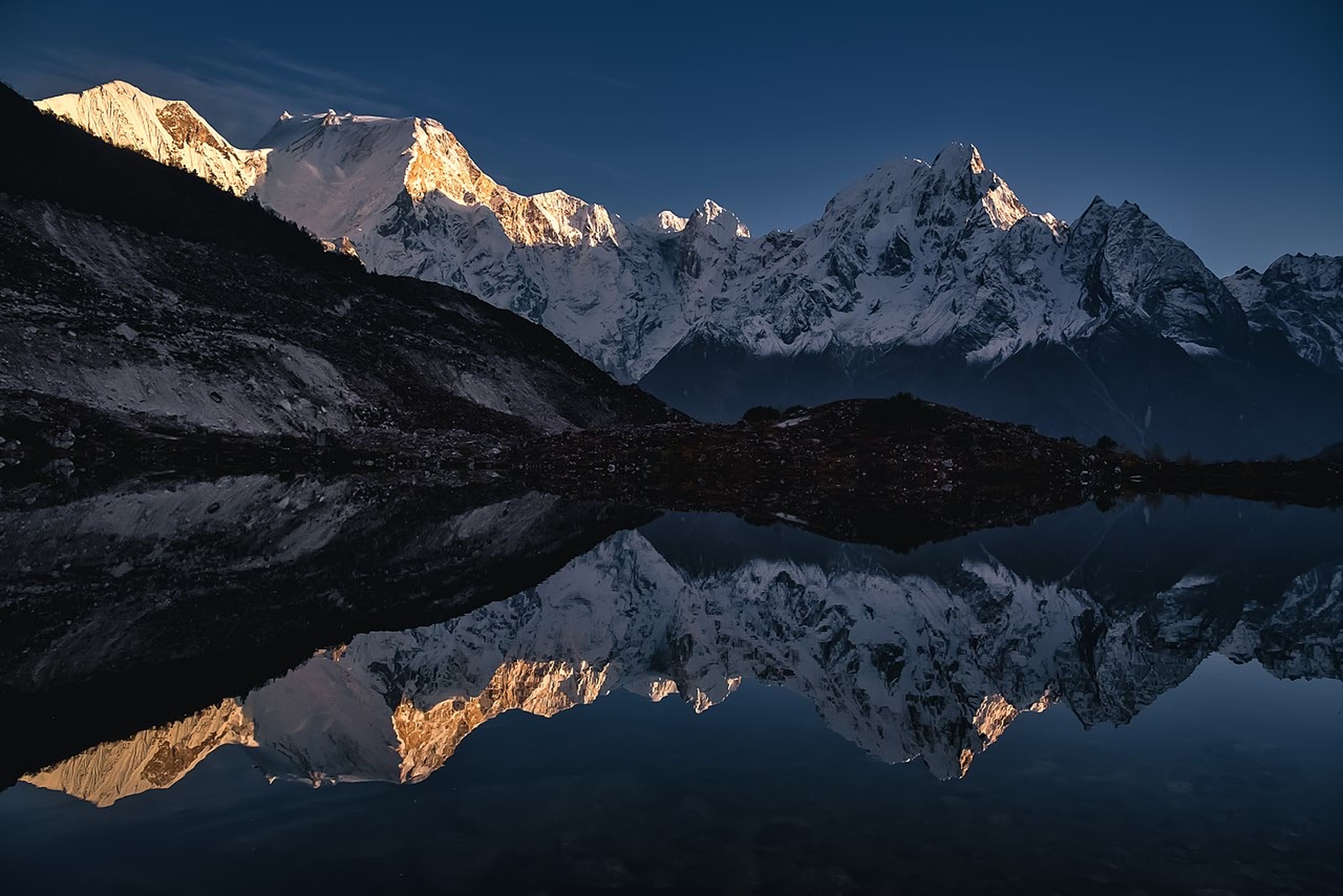
Manaslu Circuit Trek
Circle the world's eighth-highest peak on this remote adventure, crossing the spectacular Larkya La Pass at 5,167m.
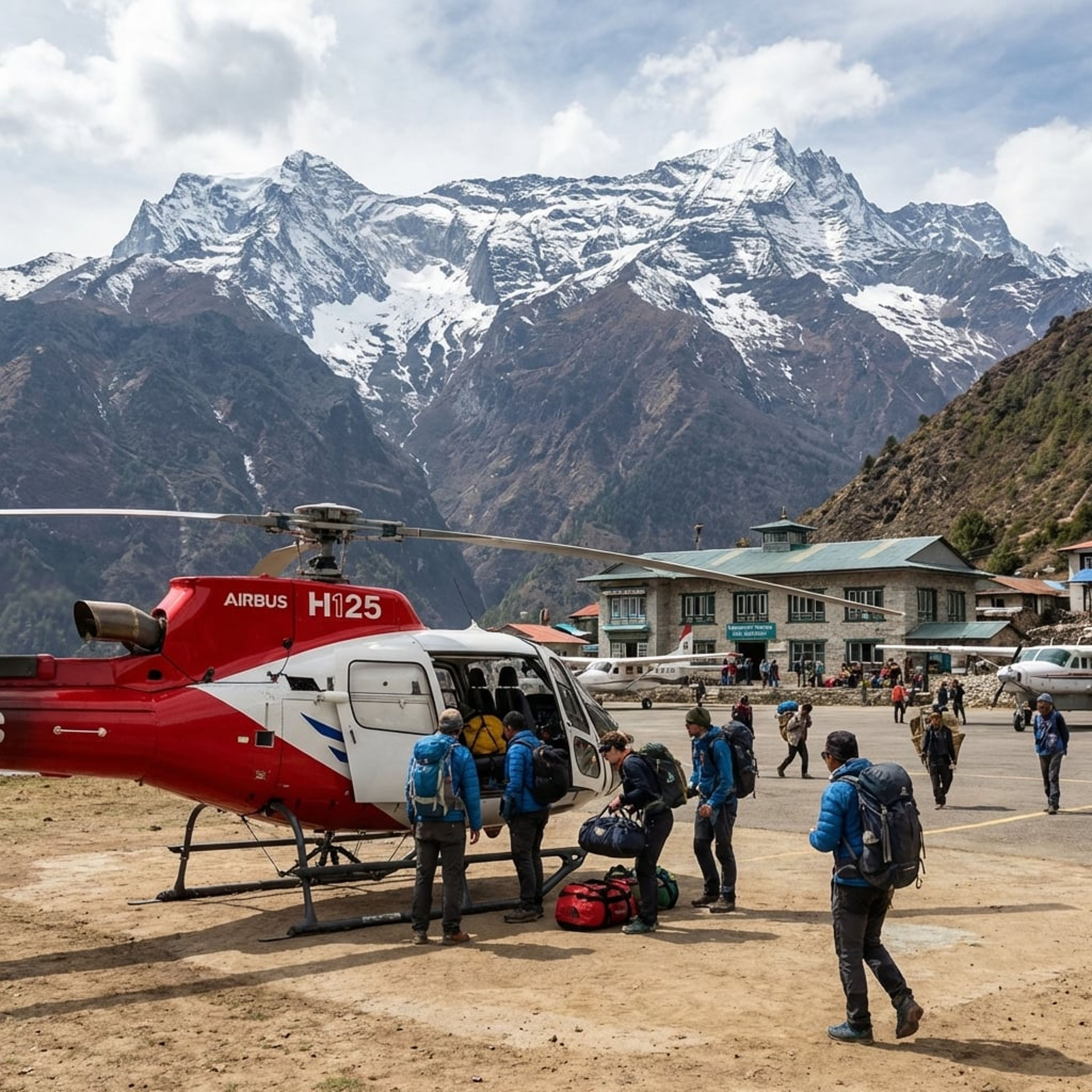
Everest Base Camp Helicopter Tour
Fly directly to Kala Patthar (5,545m) for breathtaking 360-degree views of Everest, Lhotse, Nuptse, and the Khumbu Glacier. Includes breakfast at the world's highest-situated luxury hotel.
Frequently asked questions
Is helicopter rescue guaranteed in Nepal?
No. Weather, aircraft availability, terrain, daylight, airspace, medical urgency, and insurance coordination can all affect whether and when a helicopter can operate.
Should my insurance mention helicopter evacuation?
For high-altitude or remote trekking, ask the insurer to confirm emergency medical evacuation and helicopter evacuation where applicable, including the maximum covered altitude.
Can I wait for rescue instead of descending?
Do not wait if descent is medically safer and possible. Follow guide, doctor, and rescue instructions because serious altitude illness can progress quickly.
Sources and official references
We use official and primary sources where possible. Travel rules, access, and operating conditions can change, so confirm requirements before departure.
Nepal tourist search, rescue, treatment, and monitoring procedure
Government tourism procedure reference for tourist rescue, treatment, and monitoring processes.
Last checked May 6, 2026
Civil Aviation Authority of Nepal
Official civil aviation authority reference for Nepal aviation oversight and operational context.
Last checked May 6, 2026
CDC Yellow Book high-altitude travel and altitude illness
CDC Yellow Book 2026 medical reference for acclimatization, altitude illness risk, symptoms, treatment principles, and medication context.
Last checked May 6, 2026
CDC Nepal traveler health
CDC country-specific traveler-health reference for Nepal pre-travel preparation.
Last checked May 6, 2026