Nepal Homestay Experience Guide
A Nepal homestay experience is strongest when travelers understand that the value is not hotel polish. The value is village rhythm, shared meals, household hospitality, local guides, and a more direct connection with community life.
Nepal Homestay Experience planning reality
- Village-hosted meals
- Local guide and household context
- Community benefit
- Comfort expectations set early
Who should choose this
- Choose community travel when cultural exchange matters more than hotel-style service.
- Match comfort expectations to the village, host family, season, and walking access.
- Keep local etiquette, meal rhythm, and privacy expectations clear before arrival.
Best planning window
- October to April is the easiest broad window for village travel and walking comfort.
- Spring can be warm and scenic in hill villages.
- Monsoon can work for selected communities with flexible road and rain expectations.
Logistics and community impact
- Confirm room setup, bathroom style, food expectations, road access, and walking distance.
- Use local guides and community-run arrangements where possible.
- Respect household routines, dress codes, photography consent, and quiet hours.
Expert planning note
Use this guide with
Compare Ghandruk Mountain Village Homestay
Review the itinerary, inclusions, cost notes, and booking options for the closest matching package.
Ghandruk Homestay Guide
Continue into the next planning question in this topic cluster.
Annapurna Region destination guide
Check destination details, route context, and nearby trip options.
Nepal travel FAQ
Verify practical details around visas, safety, packing, payment, and trip preparation.
Related packages
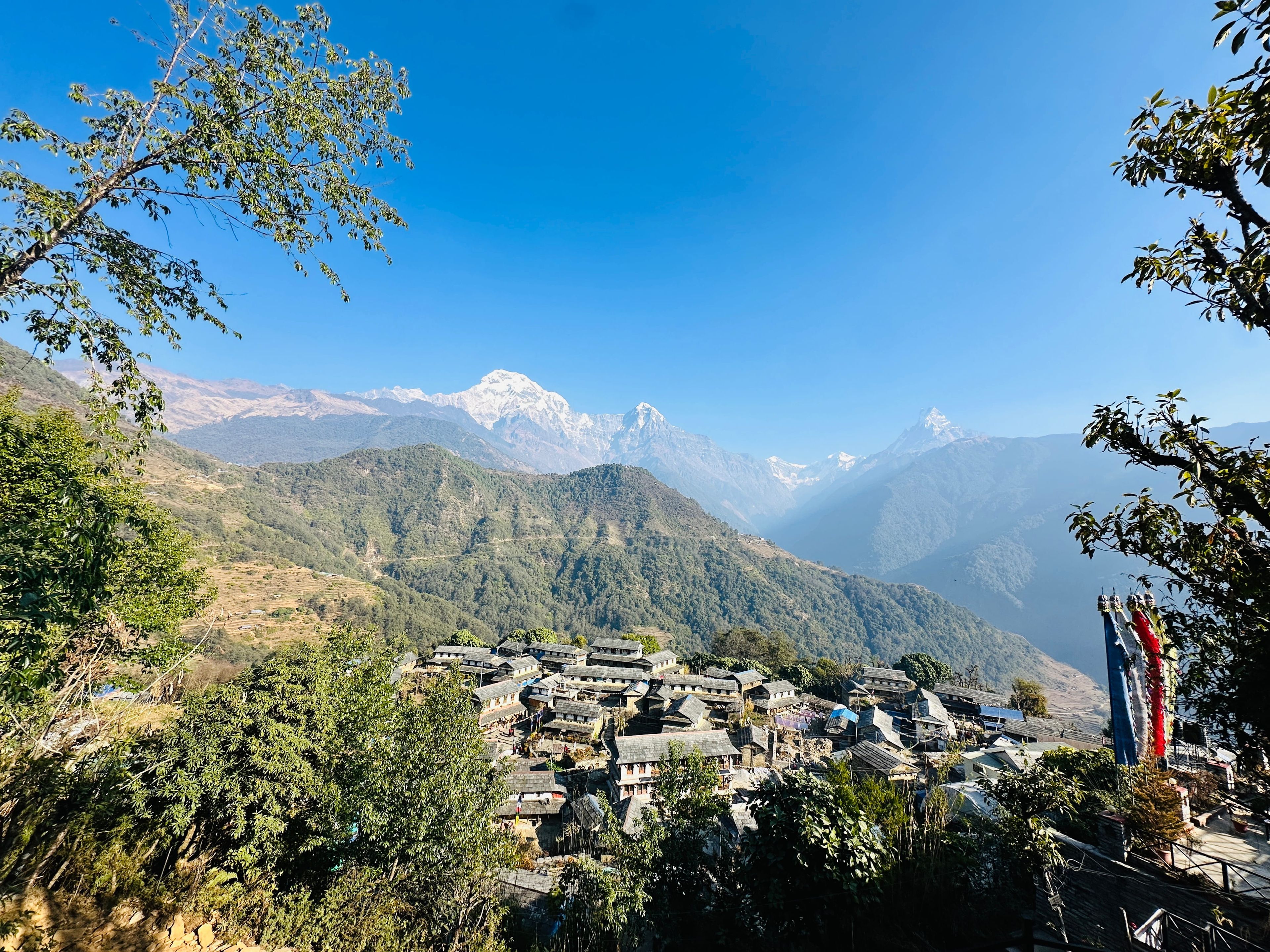
Ghandruk Mountain Village Homestay
Trek to the stunning Gurung village of Ghandruk with Annapurna views, stay with local families, and experience authentic mountain culture.
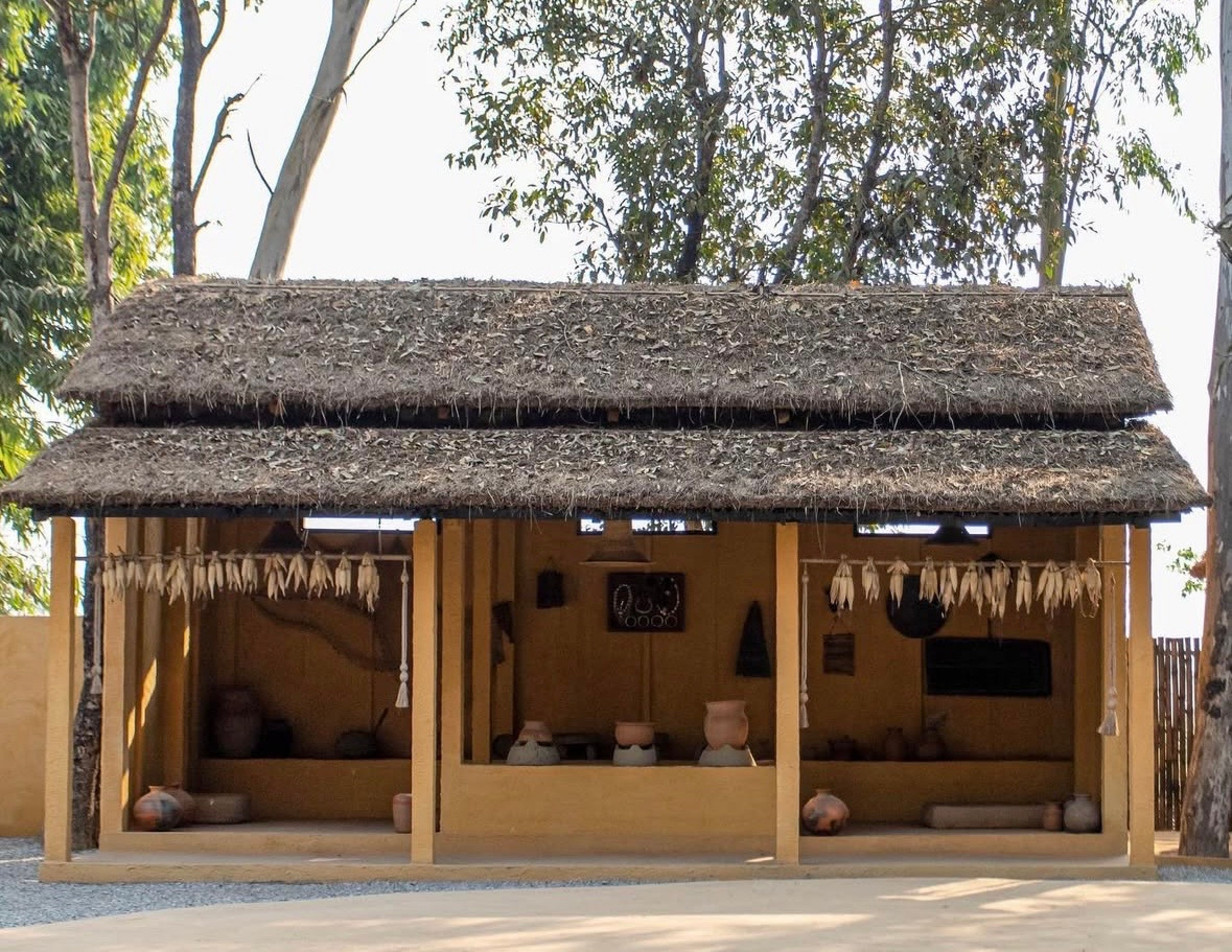
Sirubari Gurung Village Homestay
Stay with Gurung families in Nepal's first community homestay village - experience authentic culture, traditional dances, and stunning Himalayan views.
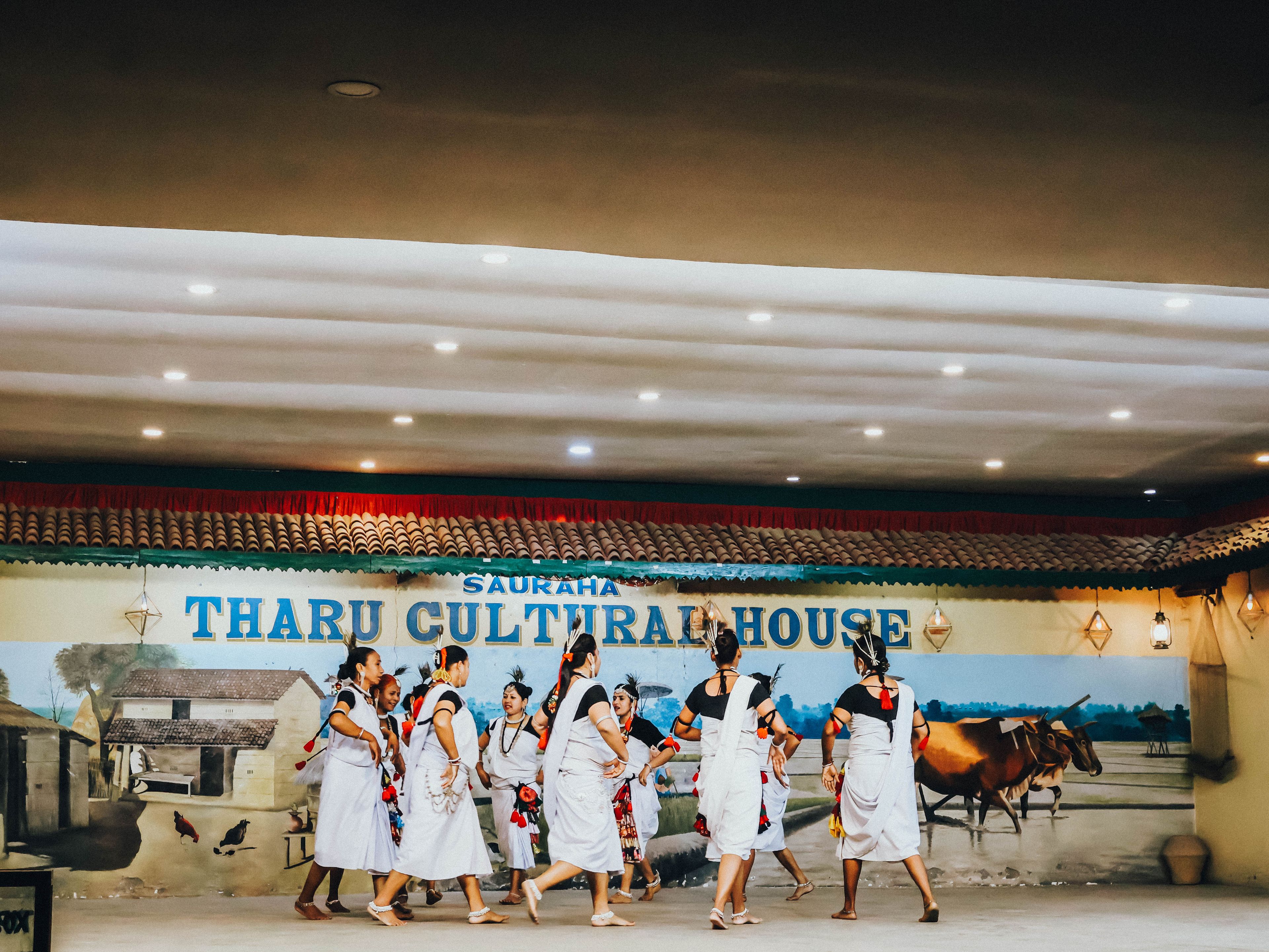
Tharu Cultural Homestay & Wildlife Experience
Experience indigenous Tharu culture in a village homestay near Chitwan National Park, combining cultural immersion with wildlife safari adventures.
Frequently asked questions
How many days should I plan for a Nepal homestay experience?
Two nights is better than one because it allows meals, village walks, and real interaction without rushing.
What is the best time for a Nepal homestay experience?
October to April is easiest, while spring is especially good in many hill villages.
How comfortable is a Nepal homestay experience?
Comfort is simple and community-based. Expect clean but modest rooms, local meals, and household rhythms rather than hotel service.
What etiquette matters most?
Ask before taking photos, dress respectfully, follow household meal timing, and be open to local food and routines.