Community Tourism Nepal Guide
Community tourism in Nepal is strongest when travelers spend time in places where hosting, guiding, meals, and storytelling are meaningfully connected to local people rather than outsourced into a generic route.
Community Tourism Nepal planning reality
- Homestay routing
- Local guide translation
- Village walks
- Responsible spending
Who should choose this
- Choose community travel when cultural exchange matters more than hotel-style service.
- Match comfort expectations to the village, host family, season, and walking access.
- Keep local etiquette, meal rhythm, and privacy expectations clear before arrival.
Best planning window
- October to April is the easiest broad window for village travel and walking comfort.
- Spring can be warm and scenic in hill villages.
- Monsoon can work for selected communities with flexible road and rain expectations.
Logistics and community impact
- Confirm room setup, bathroom style, food expectations, road access, and walking distance.
- Use local guides and community-run arrangements where possible.
- Respect household routines, dress codes, photography consent, and quiet hours.
Expert planning note
Use this guide with
Compare Nepal Nature Walks & Village Experience
Review the itinerary, inclusions, cost notes, and booking options for the closest matching package.
Ghandruk Homestay Guide
Continue into the next planning question in this topic cluster.
Kathmandu destination guide
Check destination details, route context, and nearby trip options.
Nepal travel FAQ
Verify practical details around visas, safety, packing, payment, and trip preparation.
Related packages
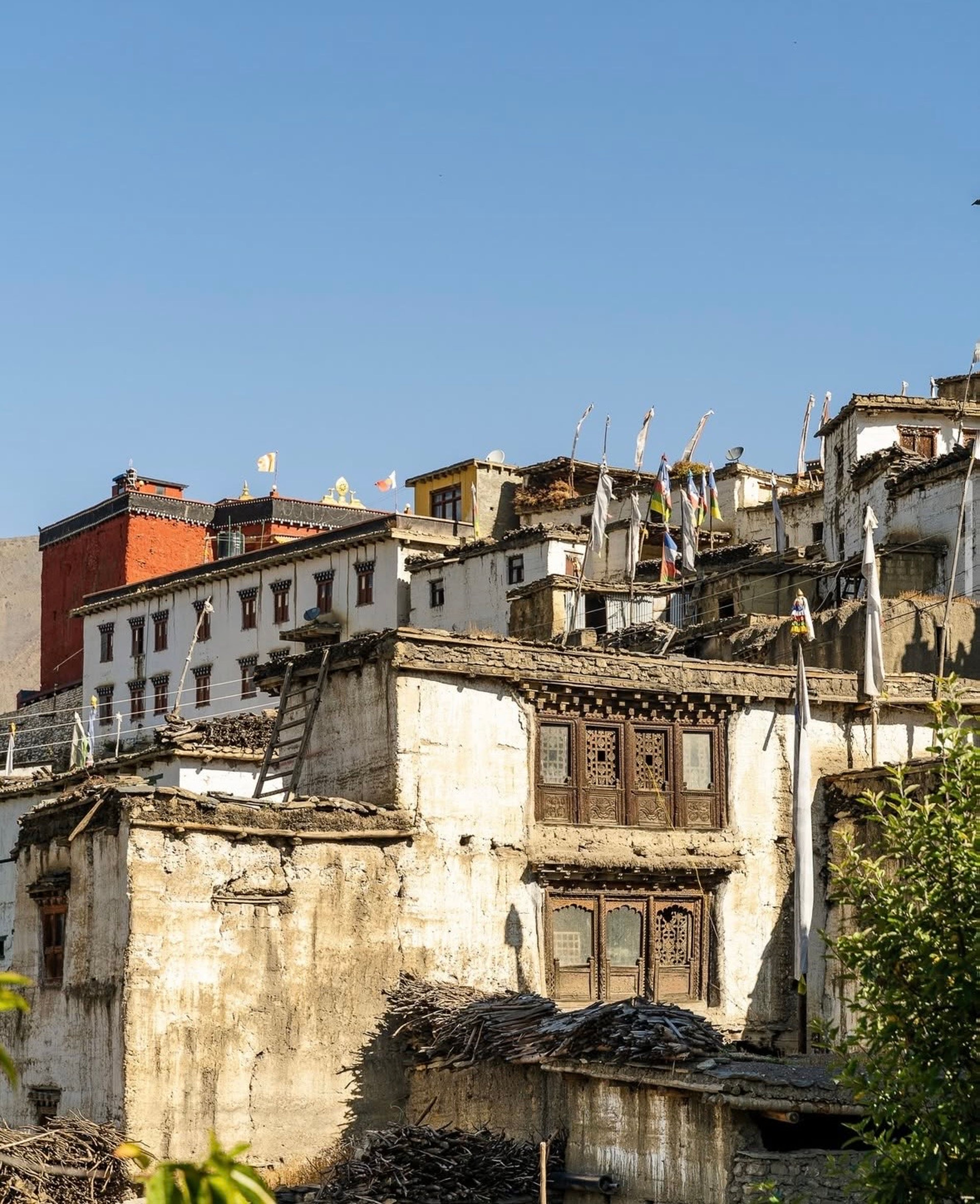
Nepal Nature Walks & Village Experience
Gentle walks through stunning countryside with village homestays and authentic cultural immersion.
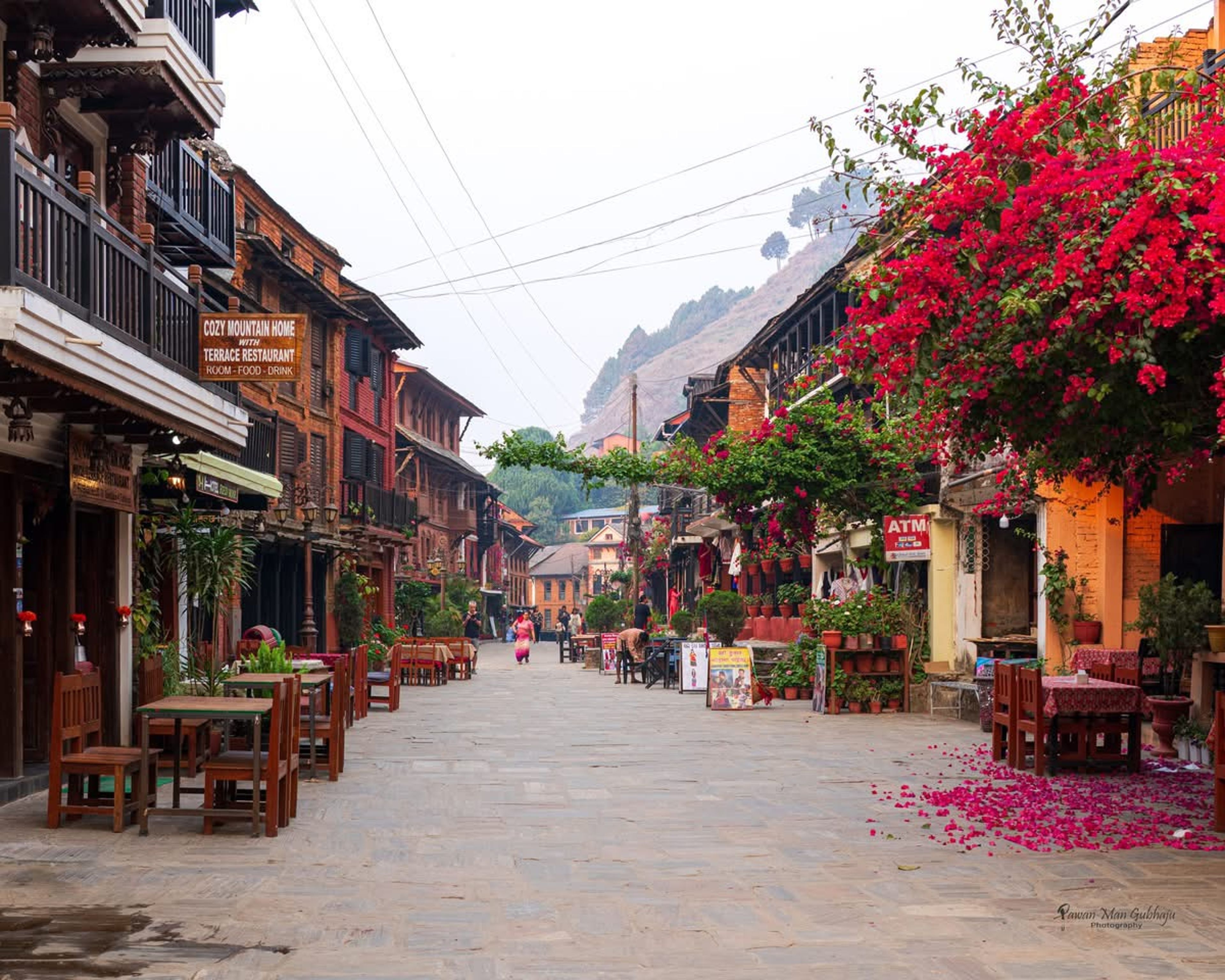
Bandipur Newari Heritage Homestay
Experience Nepal's best-preserved Newari town with heritage homestays, traditional architecture, world-class mountain views, and authentic cuisine.
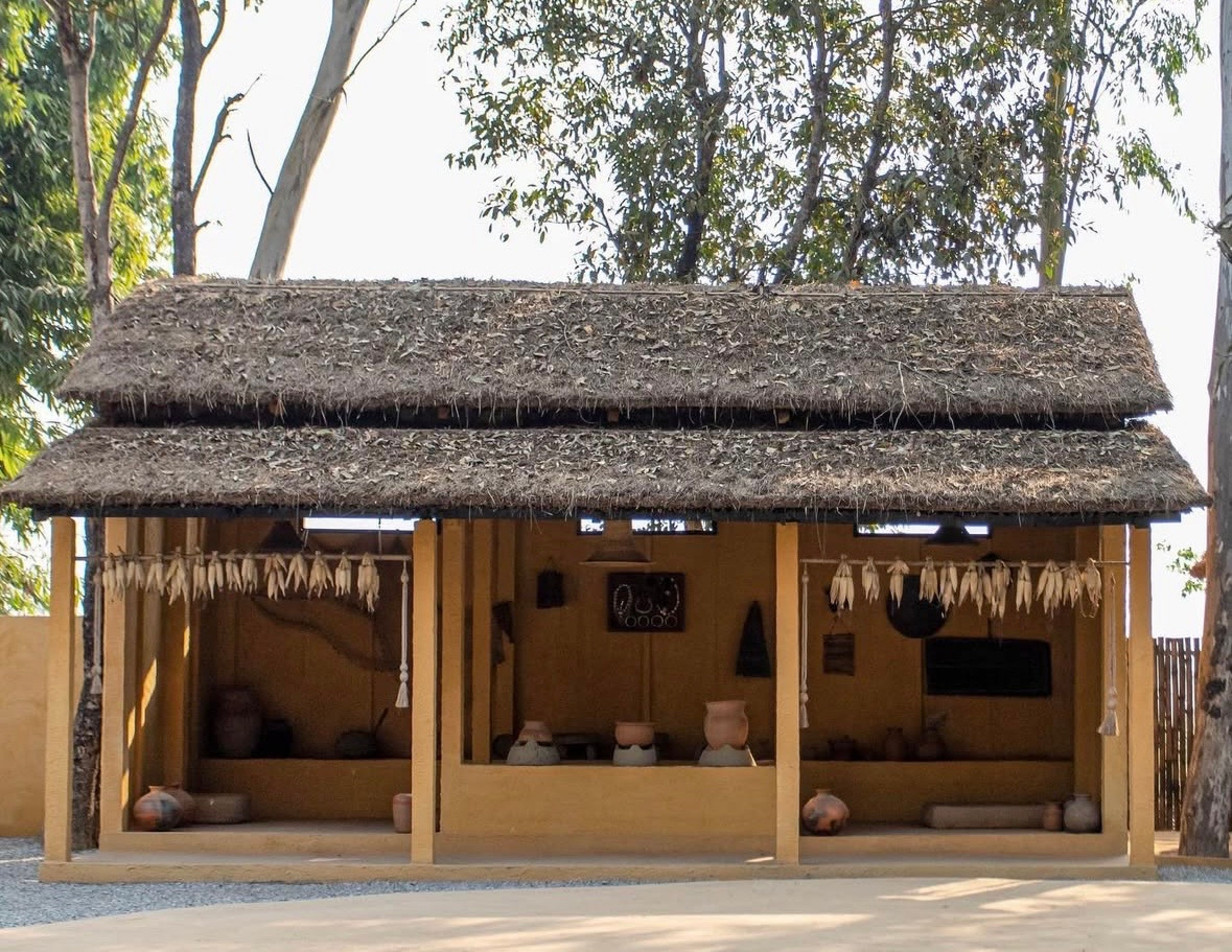
Sirubari Gurung Village Homestay
Stay with Gurung families in Nepal's first community homestay village - experience authentic culture, traditional dances, and stunning Himalayan views.
Frequently asked questions
How many days should I plan for community tourism in Nepal?
Two to four days is a useful minimum for a focused community route.
What is the best time for community tourism in Nepal?
October to April is easiest, though festival or farming seasons can be meaningful with the right planning.
How comfortable is community tourism in Nepal?
Expect simple but meaningful stays. Comfort varies by community and should be clarified before arrival.
What etiquette matters most?
Ask before photos, respect private spaces, learn basic greetings, follow host routines, and avoid treating rituals as performances.
Sources and official references
We use official and primary sources where possible. Travel rules, access, and operating conditions can change, so confirm requirements before departure.
Department of National Parks and Wildlife Conservation
Government source for Nepal protected-area management and conservation authority context.
Last checked May 6, 2026
Nepal Tourism Board protected-area entry guidance
Official tourism-board reference for protected-area entry requirements across Nepal.
Last checked May 6, 2026
NTNC Annapurna Conservation Area Project
Official NTNC reference for Annapurna Conservation Area management and regional context.
Last checked May 6, 2026