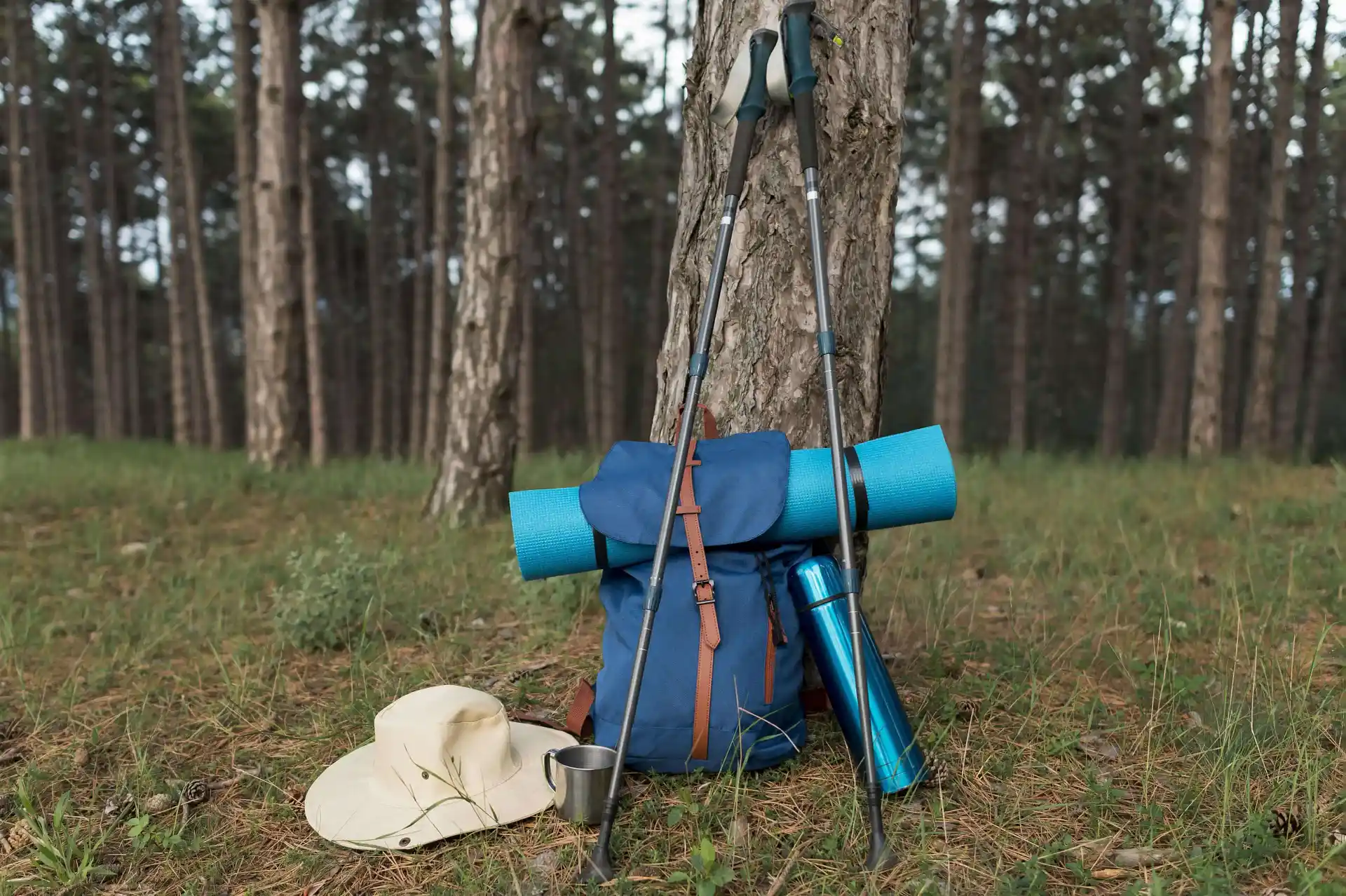
For the Everest Base Camp trek, pack warm layers, broken-in footwear, a suitable sleeping bag, weather protection, essential trekking equipment, and a light daypack for the things you need while walking.
The goal is not to carry something for every possible situation. A practical Everest Base Camp packing list should keep you warm, dry and comfortable without filling your bags with duplicate gear.
Your final list will depend on your trekking month, personal preferences, luggage allowance and what your package includes.
Last verified: August, 2026 Maintained by: Navigate Globe, Kathmandu
Everest Base Camp Packing List at a Glance
A complete EBC trek packing list covers clothing, footwear, bags, sleeping gear, trekking equipment, toiletries, electronics and travel essentials.
Category | What to Pack |
Clothing | Base layers, fleece, insulated jacket, waterproof shell, trekking pants |
Footwear | Broken-in hiking boots/shoes, trekking socks, camp shoes |
Bags | Daypack, main duffel, rain cover, dry bags |
Sleeping | Season-appropriate sleeping bag, optional liner |
Trekking gear | Poles, headlamp, water bottles, sunglasses |
Toiletries | Wet wipes, sanitizer, toilet paper, quick-dry towel |
Electronics | Phone/camera, power bank, cables, adapter |
Documents | Passport, trekking documents, insurance details, cash |
Use this as your quick checklist, then adjust the individual items below.
What Does Navigate Globe Provide for the EBC Trek?
Navigate Globe's current 14-day EBC package covers the main trip logistics, but personal trekking gear and an extra porter for personal luggage are not included in the standard package.
The current Everest Base Camp Trek inclusions include:
domestic Lukla flights
trekking permits
teahouse accommodation
meals during the trek
licensed trekking guide
medical kit
Personal trekking equipment remains your responsibility, so check your confirmed booking before buying gear.
What Bags Do You Need for Everest Base Camp?
Pack:
daypack with rain cover
duffel or main trekking bag
dry bags or zip bags
Keep water, layers, snacks, medication, documents and electronics in your daypack. Keep sleeping gear, spare clothes and overnight items in your main bag.
What Clothes Should You Pack for Everest Base Camp?
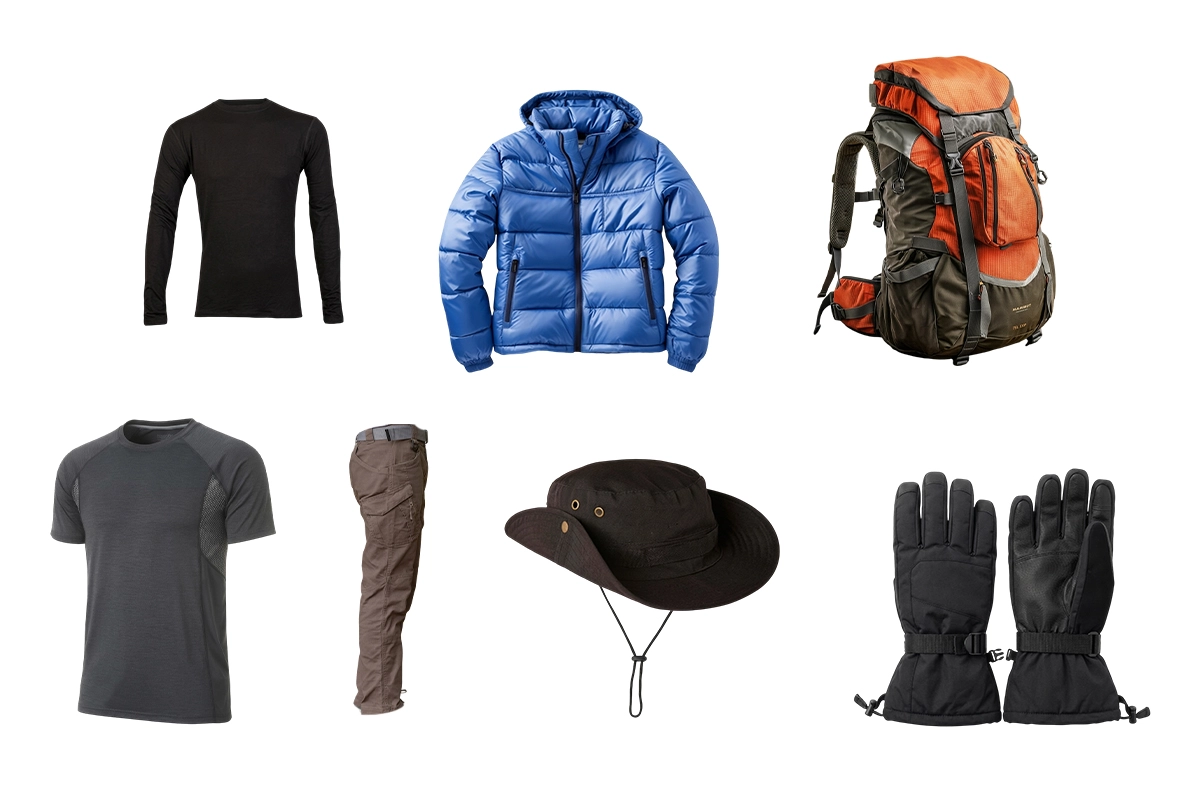
Pack clothing in layers so you can adjust easily when the temperature, wind, sun, or your activity level changes.
Base and Mid Layers
thermal base-layer top and bottoms
quick-drying trekking shirts
fleece or light mid-layer
Insulation and Weather Protection
down or synthetic insulated jacket
waterproof and windproof shell
lightweight rain pants
Trekking Pants, Socks and Underwear
trekking pants
thermal bottoms
moisture-managing underwear
trekking socks
dry socks for evenings or sleeping
Hats, Gloves and Sun Protection
sun hat or cap
warm beanie
lightweight gloves
warmer gloves for colder conditions
buff or neck gaiter
UV-protective sunglasses
sunscreen
SPF lip balm
For women: add supportive sports bras, menstrual products, comfortable quick-drying underwear and a sealable hygiene bag if needed.
What Footwear Is Best for the Everest Base Camp Trek?
Choose footwear that fits well, grips the trail and has already been tested on long walks.
broken-in hiking boots or hiking shoes
trekking socks
lightweight camp shoes
gaiters if conditions require them
Waterproof footwear can help in rain, mud and snow, but fit and comfort matter more than choosing the heaviest boot.
If you want to understand the terrain before choosing shoes, our Everest Base Camp trek difficulty guide explains the walking demands, altitude and trail conditions in more detail.
What Sleeping Bag Do You Need for Everest Base Camp?
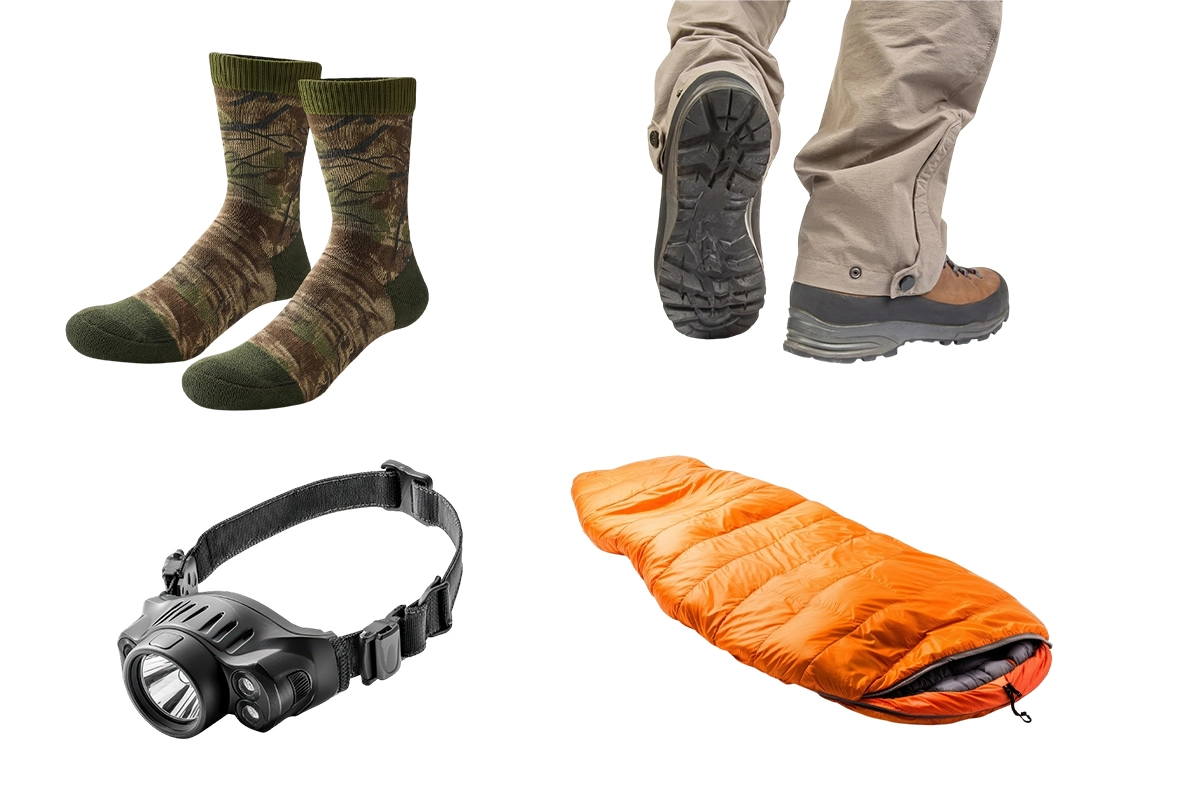
Choose a sleeping bag suitable for your trekking month and expected overnight temperatures.
Pack:
season-appropriate sleeping bag
optional sleeping bag liner
Ask your trekking operator for the recommended temperature rating for your departure. A sleeping bag suitable for autumn may not be suitable for winter.
Sleeping bags can also be bought or rented in Kathmandu if you do not want to bring one from home.
What Trekking Gear and Equipment Should You Bring?
Bring trekking equipment that solves a clear problem on the trail instead of filling your bag with “just in case” gear.
trekking poles
headlamp
water bottles or hydration reservoir
suitable water-treatment method
sunglasses
sunscreen
rain cover
dry bags or zip bags
small travel lock
optional microspikes if your operator advises them for current conditions
Sleeping bags, trekking poles and some accessories can be bought or rented in Kathmandu. Bring personal-fit footwear and prescription items from home.
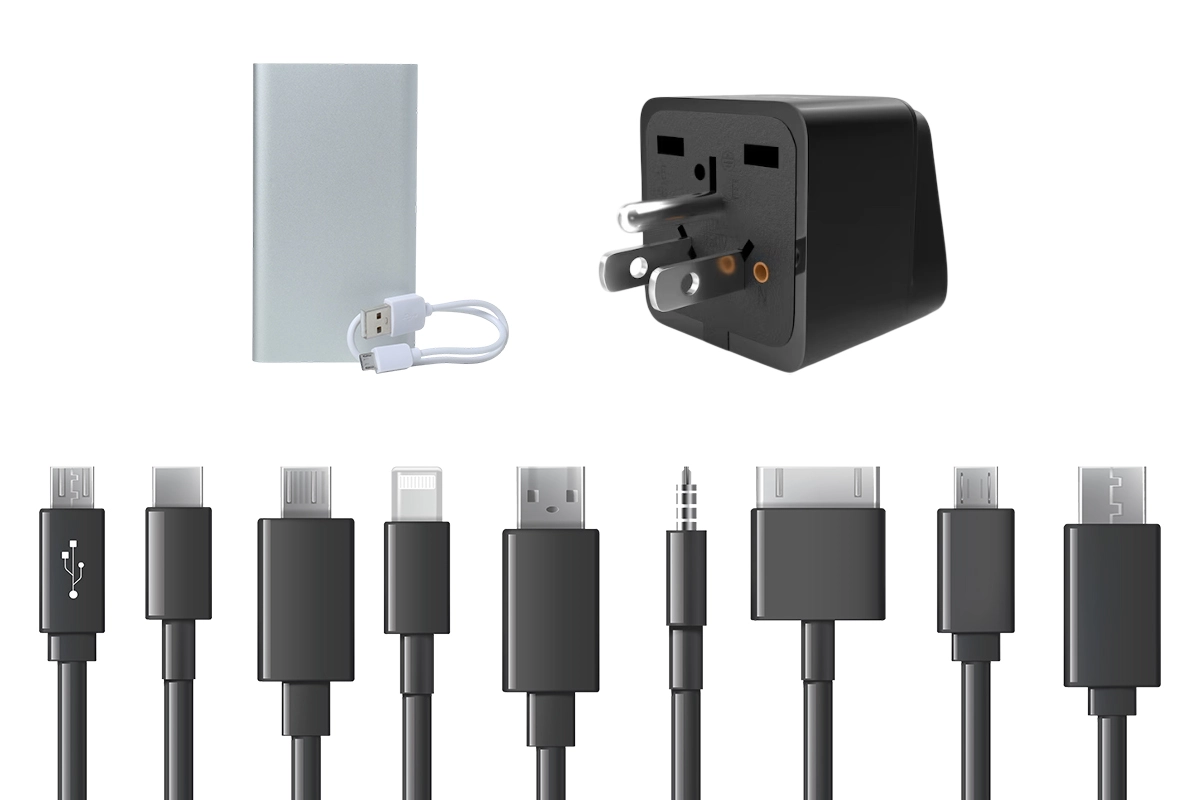
What Electronics Should You Pack for Everest Base Camp?
Keep electronics simple: bring what you will actually use and enough backup power for the trek.
Your electronics list may include:
phone
camera if needed
power bank
charging cables
suitable travel adapter
spare batteries if needed
A power bank is useful because charging can become less convenient higher on the route.
What Toiletries and Personal Essentials Should You Pack?
Pack only the basic toiletries you expect to use during the trek.
Bring:
toothbrush and toothpaste
wet wipes
hand sanitizer
toilet paper
quick-dry towel
lip balm
basic soap or toiletries
menstrual products if needed
sealable waste bags
Keep toiletries travel-sized where possible.

What First Aid and Medication Should You Bring?
Bring your personal prescriptions and a small first-aid kit for minor trekking problems.
Consider:
personal prescription medication
blister-care supplies
basic wound-care items
any medication recommended specifically by your healthcare professional
Everest Base Camp is a high-altitude trek, and the CDC's high-altitude travel guidance explains the risks of altitude illness and acclimatization. Discuss altitude medication with a healthcare professional before your trek.
What Other Travel Essentials Should You Pack?
Documents and Money
passport
trekking documents
insurance details
emergency contacts
cash
payment card
backup copies of important documents
For permit requirements and budgeting, see the Everest Base Camp Permit Guide, EBC Cost Guide. Check your travel insurance separately before departure.
Snacks
energy or protein bars
nuts or trail mix
sweets
electrolyte sachets
What Should You NOT Pack for Everest Base Camp?
Avoid gear that adds weight without solving a clear need.
duplicate jackets
too many shirts or pants
multiple trekking shoes
heavy electronics
full-size toiletries
duplicate emergency gear
gear already provided
items you plan to rent
Simple rule: if you cannot explain when and why you will use it, leave it out.
Everest Base Camp Packing FAQs
What size daypack do you need for Everest Base Camp?
A daypack around 25–35 litres is commonly suitable for water, layers, snacks, valuables and personal essentials if your main bag is carried separately. Comfort and fit matter more than choosing the largest capacity.
What are the baggage limits for Lukla flights?
Domestic Lukla flights have strict baggage limits. For example, Tara Air's baggage policy currently lists 10 kg of checked baggage plus 5 kg of hand carry. Always confirm the allowance shown on your own ticket.
What should go in your daypack vs duffel?
Keep water, rain protection, warm layers, snacks, medication, valuables and electronics in your daypack. Put sleeping gear, spare clothing, toiletries and overnight items in your main duffel.
Hiking boots or trail runners for Everest Base Camp?
Both can work. Hiking boots offer more protection, while trail runners are lighter. Choose based on fit, experience, season and trail conditions.
Can you wash clothes during the EBC trek?
Laundry may be available at some stops, but do not depend on daily washing. Pack clothing that can be comfortably worn more than once.
Ready to turn your Everest Base Camp packing list into an actual trek? Explore our Everest Base Camp Trek for the itinerary, inclusions, porter support, and booking details.
Expert reviewed
Navigate Globe's Nepal travel planning team.
About Navigate Globe
Field-tested Nepal travel planning advice from the Navigate Globe team in Kathmandu.