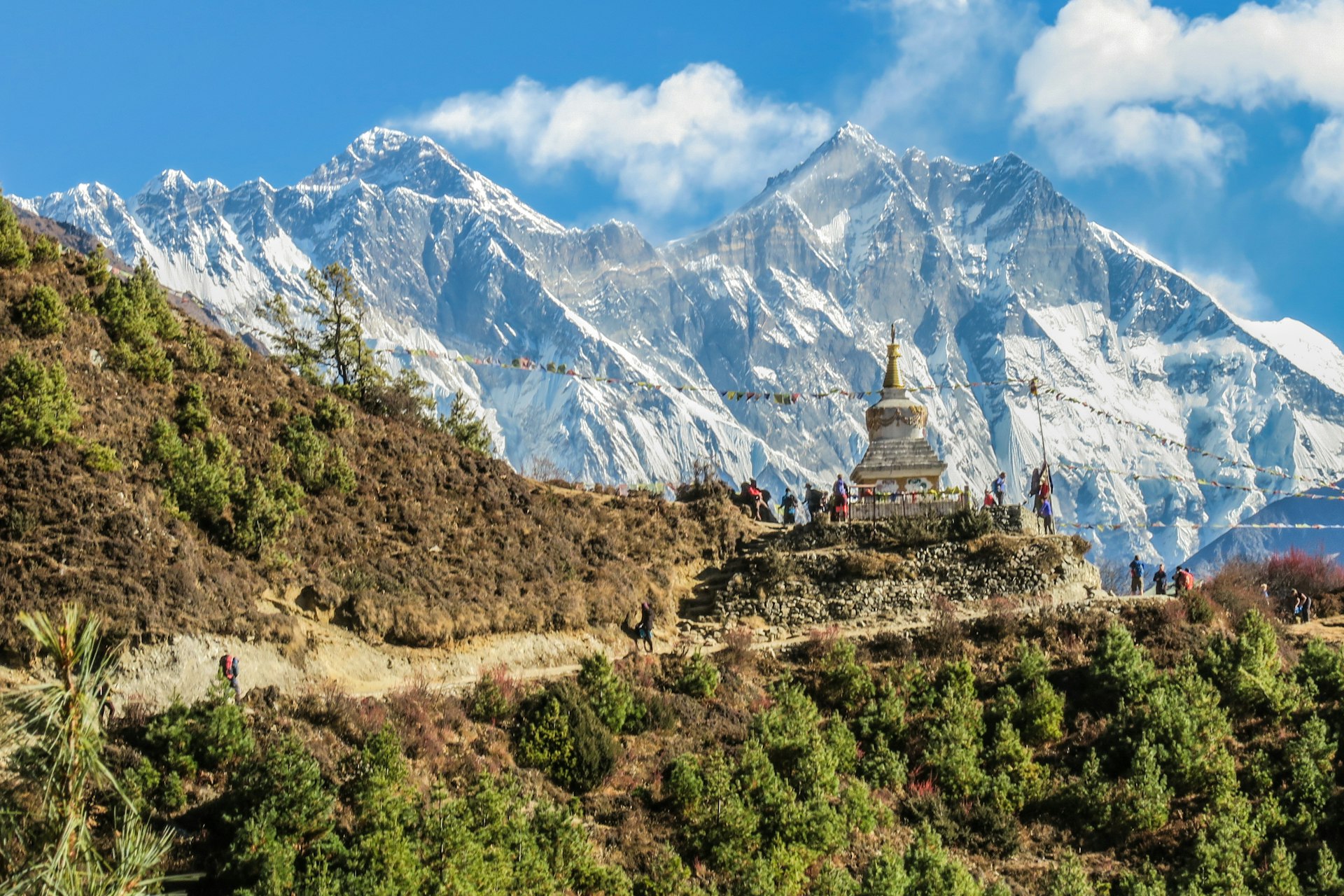
Everest Base Camp Trek Itinerary: The Complete Route Guide (2026)
The Everest Base Camp Trek itinerary follows a 130km round-trip route from Lukla (2,860m) to Everest Base Camp (5,364m) and Kala Patthar (5,545m) through Nepal's Khumbu region in Solukhumbu District. The standard itinerary takes 14 days from Kathmandu and includes two planned acclimatisation days at Namche Bazaar and Dingboche. This guide explains the classic route, the logic behind each stop, and how to choose between itinerary variations, whether you have 12 days or 17.
Navigate Globe is a Kathmandu-based trekking agency licensed by the Nepal Tourism Board and organising EBC departures since 2009. For pricing, inclusions, and booking details, each section links to the relevant package page.
The Classic Everest Base Camp Itinerary at a Glance
The standard Everest Base Camp trek itinerary runs 14 days from Kathmandu, reaching a maximum altitude of 5,545m at Kala Patthar with two built-in acclimatisation days.
Day | Route | Night Stop | Walking Time | Distance | Key Highlight |
1 | Arrival in Kathmandu | Kathmandu | — | — | Airport pickup, hotel transfer and trek briefing |
2 | Fly to Lukla → Trek to Phakding | Phakding | 3–4 hrs | ~8 km | Spectacular Himalayan flight and first walk beside the Dudh Koshi River |
3 | Phakding → Namche Bazaar | Namche Bazaar | 5–6 hrs | ~11 km | Enter Sagarmatha National Park and enjoy your first views of Everest |
4 | Acclimatization Hike | Namche Bazaar | 2–3 hrs | ~6 km | Hike to Everest View Hotel for altitude adaptation and panoramic mountain views |
5 | Namche Bazaar → Tengboche | Tengboche | 5–6 hrs | ~10 km | Visit the famous Tengboche Monastery beneath Ama Dablam |
6 | Tengboche → Dingboche | Dingboche | 5–6 hrs | ~12 km | Pass Pangboche and enter the beautiful Imja Valley |
7 | Acclimatization Hike | Dingboche | 2–3 hrs | ~5–7 km | Hike above Dingboche for acclimatization and views of Makalu and Island Peak |
8 | Dingboche → Lobuche | Lobuche | 5 hrs | ~10 km | Cross Thukla Pass and visit the Everest climbers' memorials |
9 | Lobuche → Gorak Shep → Everest Base Camp | Gorak Shep | 6–7 hrs | ~14 km | Reach Everest Base Camp and witness the Khumbu Icefall |
10 | Kala Patthar → Gorak Shep → Pheriche | Pheriche | 6–7 hrs | ~13 km | Sunrise from Kala Patthar before descending to lower altitude |
11 | Pheriche → Namche Bazaar | Namche Bazaar | 6–7 hrs | ~18 km | Descend through Tengboche and enjoy warmer forests again |
12 | Namche Bazaar → Lukla | Lukla | 6–7 hrs | ~16 km | Complete the trek and celebrate with your trekking crew |
13 | Fly Lukla → Kathmandu | Kathmandu | 35 min flight | — | Scenic return flight and farewell dinner in Kathmandu |
14 | Departure from Kathmandu | — | — | — | Airport transfer for your onward journey |
See our 14-Day Everest Base Camp Trek package for departures, prices, inclusions, accommodation details, and booking information.
The Logic Behind the Route: Why This Itinerary Is Designed This Way
The Everest Base Camp trek itinerary is structured around altitude management, not convenience, every stop exists because the body needs it at that elevation and at that point in the journey.
Why Lukla to Phakding Goes Downhill on Day 2
The trail drops from Lukla (2,860m) to Phakding (2,610m), a deliberate descent on the first trekking day. After a stressful mountain flight and a sudden altitude gain, walking gently downhill gives the body a quiet introduction to Khumbu without triggering early AMS symptoms. The climb comes on Day 3, when the body has had 24 hours to begin adjusting.
Why Namche Bazaar and Dingboche Are the Acclimatisation Stops
Both villages sit at strategic altitude thresholds that make them the most effective rest points on the entire Everest Base Camp trek route.
Namche (3,440m) is the first significant altitude jump on the route and the last well-serviced village before the trail becomes remote. The acclimatisation hike to Everest View Hotel (3,880m) applies the "climb high, sleep low" principle, you gain altitude during the day but return lower to sleep, which accelerates red blood cell production (Himalayan Rescue Association altitude medicine guidelines).
Dingboche (4,410m) applies the same logic at a harder level. The Nangkartsang hike reaches 5,083m, meaning your body has already been above Lobuche's altitude before you trek there the following day.
Why the Route Returns on the Same Trail
No loop option exists on the standard EBC itinerary, Gokyo Lakes and the Three Passes create a loop, but they add 3–5 days. The same trail on descent feels completely different: you walk faster, breathe easier, and notice details you missed on the ascent. Most trekkers report the descent as unexpectedly satisfying rather than repetitive.
Why Day 9 Combines Gorak Shep and Everest Base Camp
Gorak Shep (5,164m) is the final teahouse on the EBC route, there is no accommodation at base camp itself. Trekkers reach Gorak Shep by early afternoon, rest briefly, then continue to EBC (5,364m). Kala Patthar is reserved for the following morning's sunrise rather than the same afternoon because combining both on one day at 5,000m+ causes exhaustion and reduces the experience of each.
How to Choose the Right EBC Itinerary
The right Everest Base Camp trek itinerary depends on how many days you have, whether you have prior high-altitude experience, and what you want from the trek beyond base camp.
Itinerary Comparison Table
Itinerary | Duration | Acclimatisation Days | Who It Suits | Link |
Classic EBC Trek | 14 days | 2 (Namche + Dingboche) | First-timers, standard fitness | View package |
Short EBC Trek | 12 days | 1 (Namche only) | Experienced high-altitude trekkers | See section below |
EBC with Helicopter Return | 10–12 days | 1–2 | Limited time, flexible budget | View package |
EBC via Gokyo & Cho La Pass | 17–18 days | 3 | Experienced, want a loop route + lakes | View package |
EBC via Land Route (Surke) | 15–16 days | 2 | No flight anxiety, gradual start | See section below |
EBC via Jiri or Phaplu | 21–24 days | 3+ | Experienced, want the original approach | Custom itinerary |
If You Have 14 Days or More, Choose the Classic Route
The 14-day EBC itinerary is the standard for a reason: two acclimatisation days minimise altitude sickness risk and give the body the best chance of reaching 5,545m safely. First-timers, trekkers over 45, and anyone who has not been above 4,000m before should choose this.
If You Have 10–12 Days: Short Route or Helicopter Return
The 12-day itinerary removes the Dingboche acclimatisation day, which increases AMS risk above 4,400m and should only suit trekkers who have previously trekked above 4,000m without symptoms. The helicopter return option keeps the full ascending EBC itinerary intact but replaces the 3-day descent with a 45-minute flight from Gorak Shep, same summit experience, faster return.
If You Want More: EBC via Gokyo Lakes and Cho La Pass
This 17–18 day route adds Gokyo Lakes (4,750m), Gokyo Ri viewpoint (5,357m), and the Cho La Pass (5,420m) crossing, a genuinely more demanding section requiring sure footing on ice and loose rock. Best for trekkers who have completed a multi-day high-altitude trek before and want a loop rather than an out-and-back.
For full itinerary and booking, see our EBC via Gokyo Lakes and Cho La Pass — 17-day itinerary
Day-by-Day: The Classic 14-Day EBC Route
The classic Everest Base Camp trek itinerary covers 130km across 12 trekking days, with altitude gain kept within safe daily limits and every overnight stop chosen to prepare the body for the next section.
Day 1: Kathmandu: Arrival and Trek Preparation (1,400m)
Arrive at Tribhuvan International Airport and transfer to your hotel in Thamel. Your Navigate Globe guide conducts the trek briefing: route overview, permit verification, gear check, and emergency contact setup. Kathmandu sits at 1,400m, spend the evening without alcohol, hydrate well, and sleep early. Your Lukla flight departs between 6am and 7am on Day 2.
Day 2: Fly to Lukla, Trek to Phakding (2,610m)
The 35-minute mountain flight from Kathmandu (or Ramechhap during peak season when Tenzing-Hillary Airport is congested) to Lukla (2,860m) is itself memorable, a steep runway flanked by mountain walls. From Lukla, the trail drops gently toward Phakding alongside the Dudh Koshi River. Walking time is 3–4 hours. The first day is deliberately easy: suspension bridges, riverside forest, and small Sherpa farming villages. Dinner and overnight at a teahouse in Phakding.
Day 3: Phakding to Namche Bazaar (3,440m)
The most demanding day of the first week of the EBC trek itinerary. The trail crosses the Hillary Suspension Bridge at roughly 3,000m, Everest appears for the first time if skies are clear at this point. A steep 600m climb follows to Namche Bazaar. Walking time is 5–6 hours. Namche is the commercial capital of the Khumbu: ATM, pharmacy, bakeries, gear shops, and the best teahouse range on the lower route.
Day 4: Acclimatisation in Namche Bazaar (3,440m)
This is an active rest day, not a passive one. The standard acclimatisation hike goes to the Everest View Hotel at 3,880m, a 440m gain that lets you see Everest, Lhotse, Ama Dablam, and Thamserku before returning to Namche to sleep low. Optional alternatives include the Sherpa Museum, Khumjung village, or the market. Do not skip this day, it is the single most important acclimatisation step on the entire route.
Day 5: Namche to Tengboche (3,860m)
The trail descends to the Dudh Koshi River before climbing through rhododendron and juniper forest to Tengboche. Walking time is 4–5 hours. Tengboche Monastery, the largest in the Khumbu, founded in 1916, sits in a natural bowl with Ama Dablam (6,812m) dominating the skyline to the east. The monastery is open to visitors and is one of the quiet highlights of the EBC route. Altitude crosses 3,800m for the first time.
Day 6: Tengboche to Dingboche (4,410m)
Through Pangboche village and across the Imja Khola river, the landscape shifts from forest to open alpine. Dingboche sits in a wide, dry valley with views of Lhotse (8,516m), Island Peak (6,189m), and Ama Dablam. Walking time is 5–6 hours. This is the last village with reliable teahouse services before the terrain becomes genuinely high altitude. The air is noticeably thinner than Namche.
Day 7: Acclimatisation in Dingboche (4,410m)
The second acclimatisation day on the EBC itinerary. The standard hike climbs to Nangkartsang Peak (5,083m) above Dingboche, 2–3 hours each way, more strenuous than the Namche acclimatisation hike. Your body will have been above Lobuche's altitude (4,940m) before you trek there the following day. Afternoon rest, strong hydration, and early dinner. Many trekkers notice their first real altitude symptoms at Dingboche.
Day 8: Dingboche to Lobuche (4,940m)
The trail passes through Thukla (4,620m) and climbs to Thukla Pass (4,830m), where stone cairns mark memorials to climbers who died on Everest. Most trekkers pass this section in silence. From the pass, a gradual climb leads to Lobuche. Walking time is 4–5 hours. Lobuche is small and basic, one of the lowest-comfort overnight stops on the entire EBC route. The Khumbu Glacier becomes visible for the first time.
Day 9: Lobuche to Gorak Shep and Everest Base Camp (5,364m)
The most anticipated day of the Everest Base Camp trek. Lobuche to Gorak Shep (5,164m) takes 2–3 hours across moraine. Lunch at Gorak Shep, then 2–3 more hours across the lateral moraine of the Khumbu Glacier to EBC itself. The route crosses loose rock and uneven terrain, slower than the altitude suggests. Everest Base Camp is a flat glacial area marked by prayer flags and, in spring expedition season, hundreds of coloured tents. Return to Gorak Shep for the night, the highest and most basic accommodation on the route.
Day 10: Kala Patthar Sunrise and Descent to Pheriche (4,371m)
Wake at 4:30–5am for the 1.5–2 hour climb to Kala Patthar (5,545m) before sunrise. At 5,545m, this is the highest point of the entire EBC itinerary and the closest unobstructed viewpoint of Everest's summit (8,848.86m). After sunrise, descend to Gorak Shep for breakfast, then continue down to Pheriche. Total walking time is 6–7 hours. The descent brings immediate relief, breathing becomes noticeably easier with every 100m of altitude dropped.
Days 11 and 12: Descent to Namche and Lukla
Two days of descent on the same Khumbu trail. Day 11: Pheriche to Namche Bazaar in 5–6 hours, final night in the best teahouse on the route, with a hot shower, bakery, and a proper meal after days above 4,000m. Day 12: Namche to Lukla in 5–6 hours. The descent feels faster and more relaxed than the ascent. Final overnight in Lukla before the morning flight.
Day 13: Lukla to Kathmandu Flight
Morning flight back to Kathmandu or Ramechhap (35 minutes). Arrive Kathmandu by late morning. Hotel in Thamel for rest, shopping, and a celebratory meal. Your Navigate Globe guide officially completes the trek at this point and Navigate Globe arranges your airport transfer for international departure.
Day 14: Buffer Day and International Departure
Lukla flights operate on weather. One buffer day in Kathmandu is built into every 14-day EBC itinerary specifically for weather delays. If no delay occurs, Day 14 is yours for optional Kathmandu sightseeing: Pashupatinath (UNESCO World Heritage Site), Boudhanath Stupa, or a day trip to Bhaktapur. International departures should be scheduled for Day 14 at the absolute earliest, never Day 13.
For full day descriptions, included meals, and teahouse listings for each stage, see the 14-Day EBC package page
Itinerary Variations: Your Other EBC Options
Beyond the classic 14-day Everest Base Camp trek itinerary, four variations suit different time constraints, experience levels, and route preferences.
Short EBC Trek: 12 Days
The 12-day EBC itinerary removes the Dingboche acclimatisation day and pushes directly from Dingboche to Lobuche on consecutive days. Every other stage is identical to the classic route.
What you lose: the Nangkartsang acclimatisation hike and a full recovery day above 4,400m.
What you gain: two extra days in Kathmandu or at home.
Day | Route | Altitude |
1 | Kathmandu | 1,400m |
2 | Lukla → Phakding | 2,610m |
3 | Phakding → Namche | 3,440m |
4 | Acclimatisation Namche | 3,440m |
5 | Namche → Tengboche | 3,860m |
6 | Tengboche → Dingboche | 4,410m |
7 | Dingboche → Lobuche | 4,940m |
8 | Lobuche → Gorak Shep → EBC | 5,364m |
9 | Kala Patthar → Pheriche | 4,371m |
10 | Pheriche → Namche | 3,440m |
11 | Namche → Lukla | 2,860m |
12 | Lukla → Kathmandu | 1,400m |
Who should choose 12 days: trekkers who have previously trekked above 4,000m without AMS symptoms and are in strong cardiovascular condition with a confirmed time constraint.
Who should not: first-time high-altitude trekkers, anyone over 55, anyone who has experienced AMS on a previous trek.
EBC with Helicopter Return: 10–12 Days
The helicopter return option keeps the full ascending EBC itinerary completely intact. Instead of 3 days walking back to Lukla, a 45-minute helicopter flight returns you directly from Gorak Shep to Lukla or Kathmandu after the Kala Patthar sunrise, same summit experience, faster return. Cost addition: approximately $500–$700 per person for a shared helicopter from Gorak Shep (Nepal Tourism Board licensed operators). This option also works as a backup for trekkers with a knee injury or mild altitude symptoms on the final descent days.
Explore the Everest Base Camp Trek with Helicopter Return itinerary
EBC via Gokyo Lakes and Cho La Pass: 17–18 Days
Instead of returning on the same trail, this route crosses into the Gokyo Valley via the Cho La Pass (5,420m). From Gokyo (4,750m), trekkers ascend Gokyo Ri (5,357m) for a different Everest panorama before looping back through Namche to Lukla. What it adds: Gokyo Lakes (one of the highest freshwater lake systems in the world at 4,700m–4,990m), a third Everest viewpoint, and the Cho La crossing, which requires sure footing on ice and loose rock. Best for trekkers who have completed a previous multi-day high-altitude trek and want a loop route rather than an out-and-back.
Full itinerary and booking →
EBC via Land Route from Surke: 15–16 Days
This variation replaces the Lukla flight with a 10–12 hour drive from Kathmandu to Surke (2,290m). From Surke, the trail rejoins the classic EBC itinerary at Phakding, bypassing Lukla entirely. The rest of the itinerary from Phakding onward is identical to the 14-day classic route.
Advantages: avoids weather-dependent Lukla flights entirely, costs less than two round-trip Lukla flights, and provides more gradual altitude gain on Days 1–2.
Who should choose this: trekkers who have experienced Lukla flight delays before, those who prefer not to fly, and trekkers outside peak season when Lukla flight frequency drops.
Who should not: anyone with a fixed limited time window, the land route adds 2 days to total trip duration.
EBC via Jiri or Phaplu: The Original Routes
Before Tenzing-Hillary Airport opened in 1964, every EBC trekker started in Jiri (1,905m) or later Phaplu (2,380m), a 7–10 day approach walk through Nepal's midhill country before the Khumbu trail even begins. These routes are chosen by trekkers who want the complete journey, gradual acclimatisation through lower elevations, and a Nepal that most visitors never see. Total trip duration runs 21–24 days from Kathmandu.
Acclimatisation: The Most Important Part of Any EBC Itinerary
Every Everest Base Camp trek itinerary is built around one principle: your body must adapt to reduced oxygen before you push higher, and that adaptation takes specific days in specific places.
The Rule: Never Ascend More Than 300–500m Per Night Above 3,000m
Above 3,000m, the body needs time to increase red blood cell production to carry oxygen in thinner air , which is why the Himalayan Rescue Association altitude medicine protocol recommends limiting overnight altitude gains wherever possible. The classic 14-day EBC itinerary respects this limit throughout: the biggest single-night altitude gain is Dingboche (4,410m) to Lobuche (4,940m), a 530m jump, at the edge of the safe range and only attempted after a full acclimatisation day at Dingboche. No single day in the standard itinerary should exceed this gain without a rest day before it.
What You Actually Do on an Acclimatisation Day
An EBC acclimatisation day is not a rest day, it is an active adaptation day. The body acclimatises more effectively when moving than when static. The standard hike at Namche (to 3,880m) and Dingboche (to 5,083m) both follow the "climb high, sleep low" principle: you gain altitude during the day, then return to a lower altitude to sleep. This triggers faster red blood cell adaptation than lying in a teahouse room, which is the common misconception that leads trekkers to waste their acclimatisation days.
Recognising When to Stop and Descend
If altitude symptoms, severe headache, nausea, loss of coordination, or confusion, worsen after rest and hydration, the rule is unconditional: descend. No EBC itinerary is worth your health. The Himalayan Rescue Association operates a clinic in Pheriche (4,371m) and Navigate Globe guides carry pulse oximeters on every departure to monitor blood oxygen levels above Namche.
Learn more in our EBC trek altitude and difficulty guide, which explains AMS, HAPE, HACE, fitness preparation, and safe decision-making at high altitude.
Common Itinerary Mistakes: What They Cost You
The Everest Base Camp trek itinerary looks straightforward on paper, but three specific mistakes account for most helicopter evacuations and forced descents in the Khumbu.
Skipping the Dingboche Acclimatisation Day to Save Time
Going directly from Dingboche to Lobuche without a rest day means your first night above 4,500m is at 4,940m without prior adaptation above that threshold. This is the most common reason trekkers turn around below Lobuche or require helicopter evacuation, not fitness, not experience, but a missing acclimatisation day at Dingboche (4,410m) that would have taken the body to 5,083m before continuing.
Booking International Flights Home on Day 13
Lukla flights cancel due to weather an average of 1–3 days per peak season trip (Tenzing-Hillary Airport operational data). If your international flight home is on Day 13, a single Lukla delay forces an expensive rebooking or missed departure. The Navigate Globe 14-day EBC package builds Day 14 as a buffer specifically for this. Book international departures on Day 14 at the absolute earliest, or add a 1-night buffer yourself.
Treating Kala Patthar and EBC as One Combined Day
Both are technically possible on a single day from Gorak Shep, but doing EBC in the afternoon and Kala Patthar at dawn on the same calendar day, after 6 hours of trekking above 5,000m, leaves most trekkers too exhausted to register either experience. The standard EBC itinerary puts EBC on Day 9 afternoon and Kala Patthar on Day 10 pre-dawn for a specific reason: each moment deserves full energy and full attention.
Use this guide with
Compare Everest Base Camp Trek 14-Day Package
Review the itinerary, inclusions, cost notes, and booking options for the closest matching package.
Best Time for Everest Base Camp Trek
Continue into the next planning question in this topic cluster.
Everest Region destination guide
Check destination details, route context, and nearby trip options.
Nepal travel FAQ
Verify practical details around visas, safety, packing, payment, and trip preparation.
Related packages
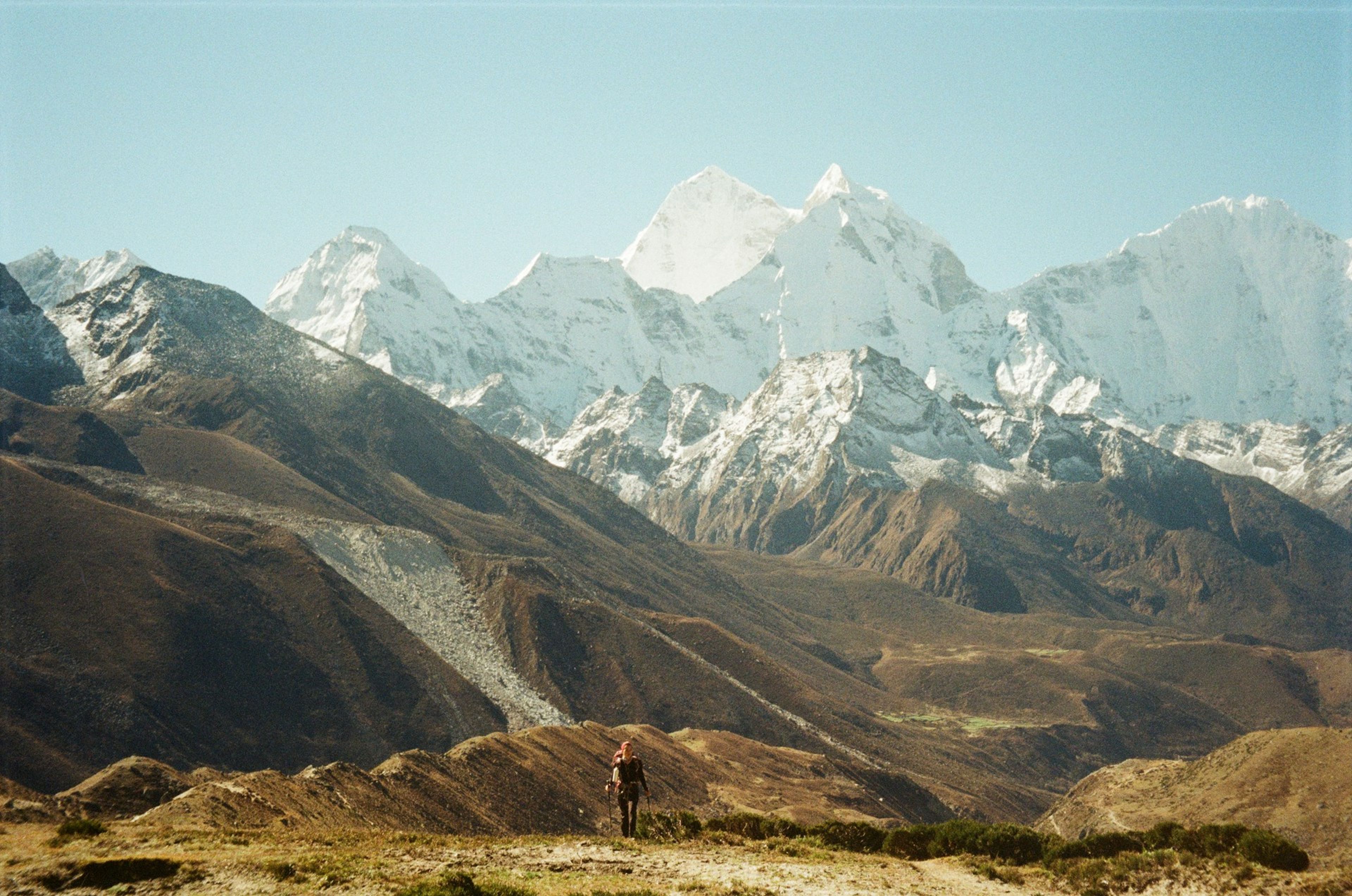
Everest Base Camp Trek 14-Day Package
Experience the ultimate Himalayan adventure on this 14-day journey to Everest Base Camp, featuring stunning mountain vistas, Sherpa culture, and the iconic Kala Patthar sunrise.
EBC Trek via Gokyo Cho La Pass – 17 Days
A 17-day challenging circuit combining the five Gokyo Lakes, the dramatic Cho La Pass (5,420m), Everest Base Camp, and a sunrise summit of Kala Patthar for the most complete Khumbu experience possible.
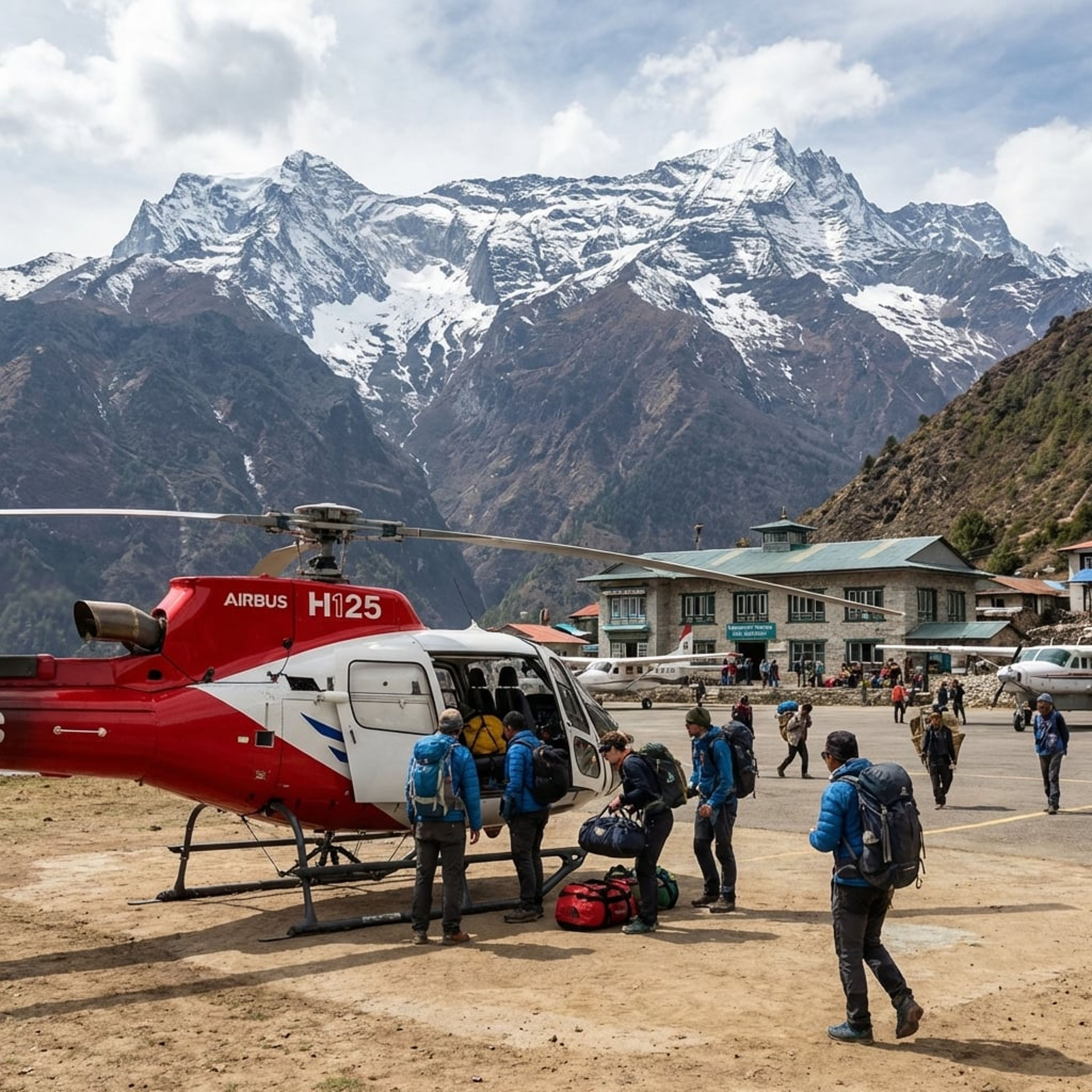
Everest Base Camp Helicopter Tour
Fly directly to Kala Patthar (5,545m) for breathtaking 360-degree views of Everest, Lhotse, Nuptse, and the Khumbu Glacier. Includes breakfast at the world's highest-situated luxury hotel.
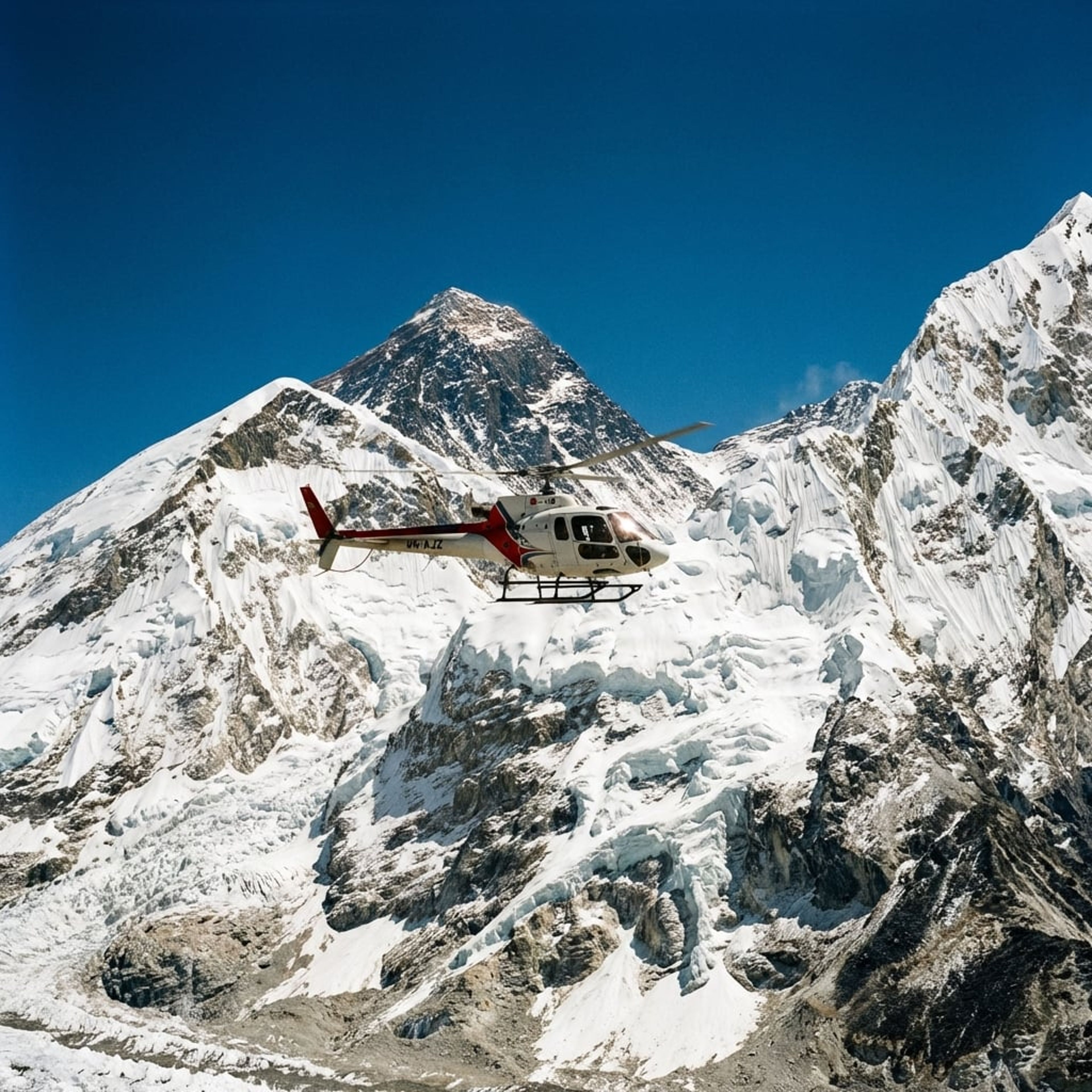
Gokyo to Lukla Helicopter
Scenic 40-minute helicopter transfer from Gokyo Valley to Lukla with views of Everest, Lhotse, Cho Oyu, Makalu, and the turquoise Gokyo Lakes.
Frequently Asked Questions
How many days do you need for the Everest Base Camp Trek?
14 days from Kathmandu is the standard and the safest option for most trekkers. The 14-day EBC itinerary includes two acclimatisation days, a buffer day for Lukla flight delays, and the right altitude gain rate throughout. 12 days is possible for experienced high-altitude trekkers. Attempting EBC in under 10 days significantly increases AMS risk and is not recommended by Navigate Globe or the Himalayan Rescue Association.
Can you do Everest Base Camp in 10 days?
Ten days from Kathmandu is physically possible but requires cutting both planned acclimatisation days from the standard itinerary, which significantly increases the risk of acute mountain sickness above 4,500m. Navigate Globe does not offer a 10-day itinerary as a standard package. The shortest recommended option for experienced trekkers is 12 days, with one acclimatisation day at Namche.
What is the difference between the 12-day and 14-day EBC itinerary?
The 14-day EBC itinerary includes two acclimatisation days — one at Namche Bazaar (3,440m) and one at Dingboche (4,410m). The 12-day itinerary removes the Dingboche rest day and pushes directly from Dingboche to Lobuche on consecutive days. The 14-day is the right choice for anyone without prior trekking experience above 4,000m. The 12-day suits experienced high-altitude trekkers with a confirmed time constraint.
How does the itinerary change if Lukla flights are delayed?
Built-in buffer days absorb most Lukla delays without affecting your trek. Navigate Globe handles flight rebooking directly with the airline when delays occur. If delays extend beyond 2 days, two alternatives exist: helicopter charter from Kathmandu to Lukla (approximately $700–$900 per person, Nepal Tourism Board licensed operators), or driving to Ramechhap for an earlier morning flight time.
What does an acclimatisation day on the EBC trek actually involve?
An acclimatisation day involves a guided hike to a higher elevation during the day, returning to the same overnight altitude to sleep. At Namche, the standard hike climbs 440m to the Everest View Hotel at 3,880m. At Dingboche, the hike climbs to Nangkartsang Peak at 5,083m. Active movement during acclimatisation days is more effective for altitude adaptation than passive rest, this is why Navigate Globe schedules structured hikes rather than free days.
Is the EBC return journey on the same route?
Yes, the standard 14-day EBC itinerary retraces the same Khumbu trail on the way back. The route does not loop. The EBC via Gokyo Lakes and Cho La Pass (17–18 days) is the only Navigate Globe itinerary that creates a complete loop through the Khumbu, crossing into the Gokyo Valley rather than returning to Lukla on the same path.
When does the itinerary change for Ramechhap flights?
During peak season (October–November and March–May), Tenzing-Hillary Airport at Lukla frequently operates at capacity. Ramechhap Airport, a 4–5 hour drive from Kathmandu, is used to reduce air traffic. On Ramechhap days, departure from Kathmandu hotel moves to 3am. The trekking itinerary from Lukla onward is completely identical — only Day 2 changes, and Navigate Globe manages the logistics.
Can I add Gokyo Lakes to the 14-day EBC itinerary?
Gokyo Lakes cannot be added to a 14-day itinerary without fundamentally changing the trek. The Gokyo route requires 17–18 days minimum because it includes the Cho La Pass crossing (5,420m), additional valley trekking, and a third acclimatisation day. Gokyo is a separate itinerary, not an extension of the classic EBC route. Trekkers wanting both EBC and Gokyo should book the EBC via Gokyo & Cho La Pass package.
What is Kala Patthar and why is it included in the EBC itinerary?
Kala Patthar (5,545m) is the highest point of the Everest Base Camp trek and the only stop on the standard route that offers an unobstructed view of Everest's summit at 8,848.86m. Everest Base Camp itself sits at the foot of the Khumbu Glacier and does not provide a clear summit view, the mountain looms close but the angle is wrong. Kala Patthar is in the EBC itinerary specifically because it delivers what most trekkers imagine base camp will.
Sources and Official References
We use official and primary sources where possible. Travel rules, access, and operating conditions can change, so confirm requirements before departure.
Nepal Tourism Board Sagarmatha National Park guide
Official tourism-board reference for Sagarmatha National Park and Everest-region visitor context.
Last checked May 6, 2026
Nepal Tourism Board trekking permit guidance
Official tourism-board guidance for Nepal trekking permit planning and restricted-area preparation.
Last checked May 6, 2026
Department of Immigration trekking permit rules
Government immigration guidance for restricted-area trekking permits and trekking access rules.
Last checked May 6, 2026
CDC high-altitude travel guidance
Medical reference for altitude exposure, acclimatization, and altitude-illness risk planning.
Last checked May 6, 2026

Reviewed by
Navigate Globe Nepal Planning Desk
Kathmandu-based Nepal travel specialists
Route planning, trekking logistics, permits, altitude-risk planning, and Nepal ground operations.