Everest Base Camp Trek: The Complete Guide (2026)
The Everest Base Camp Trek is a 12–16 day trekking route through Nepal's Khumbu region that takes you to the foot of Mount Everest (8,848.86m) on foot, through Sherpa villages, Buddhist monasteries, and high-altitude glacier terrain. This guide is written for travellers planning their first trip to Nepal who want a clear, honest answer to what the trek actually involves, the route, the cost, the permits, the risks, and the daily reality of walking at altitude. It covers the standard approach from Lukla in the Khumbu region of eastern Nepal, along with the main route variations. Navigate Globe is a Kathmandu-based trekking agency licensed with the Nepal Tourism Board, running Everest Base Camp departures since 2009.
Everest Base Camp Trek at a Glance
Before anything else, here's what the Everest Base Camp trek actually involves in numbers.
Maximum Altitude | 5,364m (Everest Base Camp) / 5,545m (Kala Patthar) |
Trek Duration | 12–16 days (standard: 14 days) |
Total Distance | Approximately 130 km round trip from Lukla |
Daily Walking | 5–7 hours |
Difficulty | Moderate to Challenging |
Best Seasons | Spring (March–May) and Autumn (September–November) |
Starting Point | Lukla (2,860m) — flight from Kathmandu or Ramechhap |
Permits Required | Sagarmatha National Park permit + Khumbu Rural Municipality permit |
Guide Requirement | Mandatory since April 2023 |
Typical Package Cost | $1,200–$3,500 per person, depending on service level |
Disclaimer: All prices in this guide are 2026 estimates and subject to change. Permit fees, flight costs, and local taxes can be updated by the Nepal government or local authorities without notice. Confirm current rates with your agency or official sources before booking.
What Is the Everest Base Camp Trek?
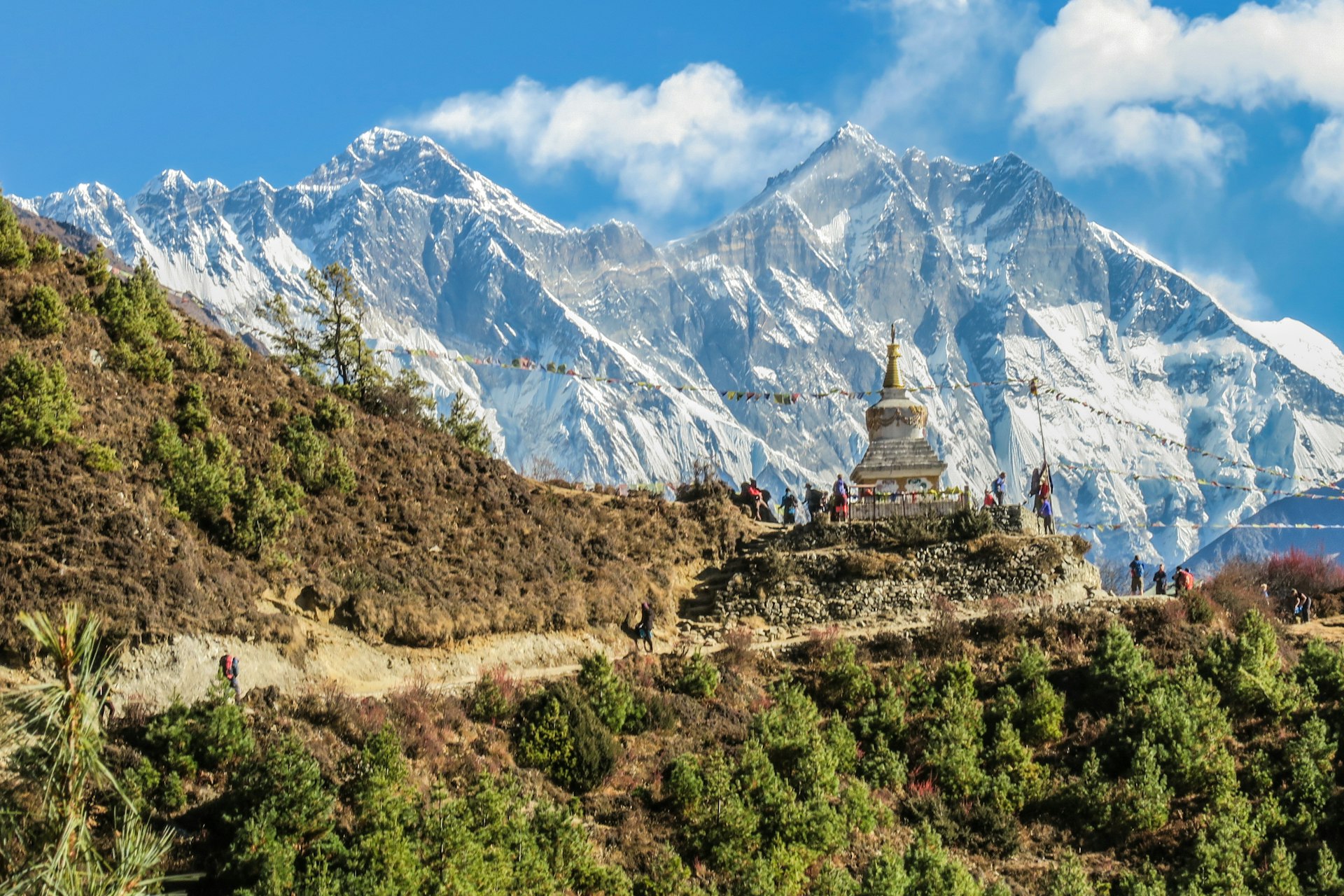
The Everest Base Camp trek is a high-altitude walking route, not a mountain climb. You don't need ropes, crampons, or climbing experience to reach it. What you do need is stamina, patience, and a body willing to adapt to thin air over roughly two weeks. The route runs through Sagarmatha National Park, a UNESCO World Heritage Site, past Sherpa settlements, Tengboche Monastery, and the Khumbu Glacier, before ending at the base of Everest itself.
Everest Base Camp Trek vs Kala Patthar: Understanding the Two Highlights
Most people assume Base Camp is where you see Everest's summit. It isn't. From Base Camp itself, the mountain's peak is hidden behind the shoulder of Nuptse, what you see instead is the Khumbu Icefall and a forest of prayer flags. The actual summit photograph comes from Kala Patthar, a separate viewpoint above Gorak Shep that most trekkers climb before dawn on the day after reaching Base Camp. Nearly every itinerary includes both, and understanding they're two different experiences avoids a common disappointment on the trail.
Is the Everest Base Camp Trek Worth It?
Yes, with an honest caveat. What makes the Everest Base Camp trek worth it is the scale of the landscape, the Sherpa villages you pass through, and the sense of having earned the destination step by step. What doesn't always live up to the hype: Base Camp itself is a rocky, shifting glacier moraine, not a scenic overlook — the summit view comes from Kala Patthar, not from Base Camp. Trekkers who go in knowing this tend to come back saying it exceeded expectations; trekkers expecting a postcard view at Base Camp itself are sometimes let down.
Everest Base Camp Trek Itinerary
A standard Everest Base Camp trek itinerary runs 14 days from Kathmandu back to Kathmandu, built around two mandatory acclimatization days. Below is a day-by-day overview; for the complete route breakdown with elevation profiles and daily walking times, see our full Everest Base Camp trek itinerary guide.
Standard 14-Day Itinerary Overview
Day | Route | Altitude | Key Highlight |
1 | Arrive in Kathmandu | 1,320m | Airport transfer, trek briefing & gear check |
2 | Fly to Lukla, Trek to Phakding | 2,640m | Scenic mountain flight and first trekking day |
3 | Trek to Namche Bazaar | 3,440m | Sagarmatha National Park and first Everest views |
4 | Acclimatization in Namche Bazaar | 3,440m | Hike to Everest View Hotel and Sherpa culture |
5 | Trek to Tengboche | 3,870m | Tengboche Monastery with Ama Dablam views |
6 | Trek to Dingboche | 4,410m | Pangboche Monastery and alpine landscapes |
7 | Acclimatization in Dingboche | 4,410m | Hike for altitude adaptation and Himalayan views |
8 | Trek to Lobuche | 4,940m | Thukla Pass memorials and high alpine terrain |
9 | Trek to Gorak Shep & Everest Base Camp | 5,364m | Reach Everest Base Camp via the Khumbu Glacier |
10 | Kala Patthar Sunrise & Trek to Pheriche | 5,545m | Classic Everest sunrise from Kala Patthar |
11 | Trek to Namche Bazaar | 3,440m | Long descent through forests and Sherpa villages |
12 | Trek to Lukla | 2,850m | Final trekking day and farewell celebration |
13 | Fly to Kathmandu | 1,320m | Scenic return flight and farewell dinner |
14 | Departure | — | Airport transfer and departure from Nepal |
12-Day EBC Trek: For Experienced Trekkers
Not every traveller has 14 days available. A 12-day itinerary compresses the descent, cutting a rest day on the way down rather than an acclimatization day on the way up. It suits fit, experienced trekkers who are comfortable moving faster once altitude is no longer working against them. First-timers should stick to the standard 14-day pacing.
Helicopter Return Option (10–12 Days)
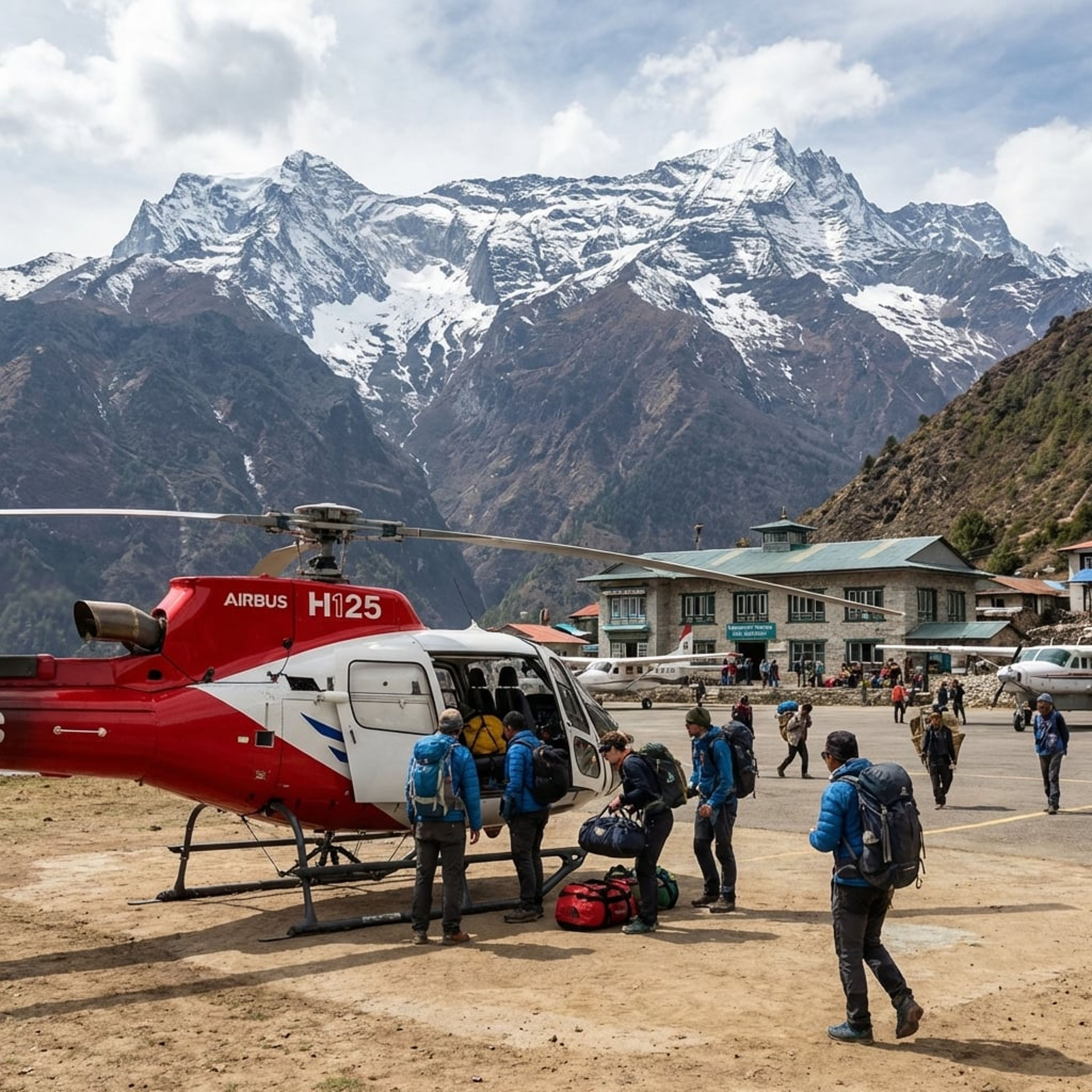
Trek in on foot, fly out by helicopter from Gorak Shep or Lukla after reaching Base Camp. This shortens the trip by three to four descent days and suits travellers with limited time or who want to reduce the cumulative strain on knees and joints. It costs more than the standard trek but removes the longest, most repetitive stretch of the itinerary. See our Everest Base Camp trek with helicopter return guide for full pricing and logistics.
Everest Base Camp Trek via Gokyo Lakes and Cho La Pass (17–18 Days)
For trekkers who want more than the classic route, this variation adds the turquoise Gokyo Lakes and a crossing of the 5,420m Cho La Pass before rejoining the main trail to Base Camp. It suits experienced trekkers with solid fitness and roughly four to five extra days. Full details are on the EBC via Gokyo & Cho La Pass package page.
How Long Does the Everest Base Camp Trek Take?
The standard Everest Base Camp trek takes 14 days, Kathmandu to Kathmandu. That figure isn't fixed, it flexes based on your fitness, risk tolerance, and how much buffer time you want against Lukla flight delays, which are common in both peak seasons.
Duration | What It Includes | Who It Suits |
12 days | Minimum acclimatization, no buffer | Fit, experienced trekkers |
14 days | Standard — two acclimatization days | Most trekkers |
16 days | Extra rest days, safer pacing | First-timers, older trekkers |
+2 days buffer | Covers Lukla weather delays | Recommended for everyone |
Everest Base Camp Trek Cost
Everest Base Camp trek cost ranges from roughly $1,200 for a basic budget trek to $3,500 or more for a premium, fully guided package. The gap comes down to accommodation standard, guide-to-trekker ratio, and how much of the logistics (flights, permits, porters) are bundled in versus arranged separately.
Budget Tier | Total Cost (Per Person) | What's Different |
Budget | $1,200 – $1,800 | Basic teahouses, group departure |
Mid-Range | $2,000 – $3,000 | Better lodges, more flexibility |
Premium | $3,500+ | Private guide, upgraded rooms where available |
For the full line-by-line breakdown: permits, flights, food, guide and porter fees, gear, and the hidden costs most trekkers forget — see our Everest Base Camp trek cost guide.
What a Navigate Globe Package Includes
A standard Navigate Globe Everest Base Camp trek package includes permits, a licensed English-speaking guide, porter support, teahouse accommodation, meals on the trail, Lukla flights, and airport transfers in Kathmandu. It excludes international flights, your Nepal visa fee, travel insurance, and personal expenses like snacks, showers, and Wi-Fi on the trail. See the 14-day Everest Base Camp trek package for full pricing and current departure dates.
Permits Required for the Everest Base Camp Trek 2026
Two permits cover the standard Everest Base Camp trek route, and both are simple to arrange in Kathmandu before you fly to Lukla. Nepal law requires all trekkers in the Sagarmatha region to hire a licensed guide since April 2023(Nepal Tourism Board mandatory guide regulation, April 2023). Trekking independently without a guide is not permitted.
Sagarmatha National Park Entry Permit
Cost: NPR 3,000 for SAARC nationals, NPR 5,000 for other foreign nationals. Available at the Nepal Tourism Board office in Kathmandu or at the park checkpoint in Monjo.
Khumbu Rural Municipality Entry Fee
Cost: NPR 2,000 per person. Issued at the local checkpoint in Lukla or Monjo, alongside your national park permit.
Is the TIMS Card Still Required for the Everest Base Camp Trek?
No. The TIMS card was replaced for the Khumbu region by the Khumbu Rural Municipality permit. Some older guides and competitor articles still list TIMS as a requirement here — it isn't, and paying for one is unnecessary.
Getting to the Trek: Lukla Flights and the Land Route
The primary way to reach the Everest Base Camp trek trailhead is a 35-minute flight from Kathmandu or Ramechhap to Lukla's Tenzing-Hillary Airport, costing $180–$250 one way.
Kathmandu to Lukla: Flight Basics
The flight to Tenzing-Hillary Airport in Lukla takes about 35 minutes and costs $180–$250 one way. The airport itself is one of the most extreme in the world — a short, sloped mountainside runway that only operates in clear morning weather.
The Ramechhap Diversion: What It Means for You
During peak spring and autumn seasons, most Lukla flights depart from Ramechhap's Manthali Airport instead of Kathmandu, due to air traffic congestion. That means a 4–5 hour drive from Kathmandu starting around 3am on flight day. This detail rarely appears clearly on other Everest Base Camp trek guides, and it catches first-time trekkers off guard if nobody tells them in advance.
What Happens If Your Lukla Flight Is Delayed?
Weather delays of one to three days are normal during peak trekking season, not a sign anything has gone wrong. Your agency handles rebooking directly with the airline, and agencies with established airline relationships get priority seats when flights resume. Build at least two buffer days into your schedule if you're connecting to an international flight home — and if delays stretch on, a helicopter charter (roughly $500–$600 one way) is usually available as a backup.
The Land Route via Surke: No Flight Needed
An alternative for trekkers who want to avoid flight risk entirely: drive from Kathmandu to Surke (10–12 hours), then trek in from there instead of flying to Lukla. It adds two extra days and costs less overall, but removes the single biggest source of schedule uncertainty on the whole Everest Base Camp trek. It suits travellers with flexible dates or genuine flight anxiety.
Everest Base Camp Trek Difficulty
Everest Base Camp trek difficulty comes almost entirely from altitude and duration, not technical terrain. You'll walk 5–7 hours a day on well-established trails, with no climbing, ropes, or scrambling involved.
Trail Section | Difficulty | Why |
Lukla to Namche | Strenuous | Long, steady 830m climb |
Namche to Tengboche | Moderate | Rolling terrain, good views |
Dingboche to Lobuche | Strenuous | Thin air starts to bite |
Gorak Shep to Base Camp | Moderate but slow | Not steep, but altitude fatigue sets in |
For the full difficulty breakdown, training plan, and altitude profile, read our Everest Base Camp trek difficulty guide.
Can Beginners Trek to Everest Base Camp?
Yes, with 6–8 weeks of focused preparation. You don't need prior high-altitude experience, but you do need consistent cardio training and several long practice hikes beforehand. See our full guide on trekking Everest Base Camp without experience for a week-by-week training plan.
Trekking EBC Over 50: Age Is Not a Barrier: Fitness and a 16-Day Itinerary Are
Age isn't a barrier on this trek — fitness is. Trekkers in their 50s, 60s, and beyond complete the Everest Base Camp trek every season, and success comes down to training consistency, a slightly longer itinerary with extra acclimatization days, and open communication with your guide about pacing. Our Everest Base Camp trek over 50 guide covers training, gear, and itinerary adjustments specific to older trekkers.
Altitude and Safety on the Everest Base Camp Trek
Altitude sickness is the primary safety risk on the Everest Base Camp trek. Mild symptoms like headache and fatigue are common above 3,500m, severe conditions (HACE, HAPE) are rare but require immediate descent(CDC high-altitude travel guidance). Understanding how your body responds, and what to do if it doesn't respond well, matters more than any other single piece of preparation.
AMS, HACE, and HAPE: The Three Altitude Conditions Every EBC Trekker Must Recognise
Condition | Common Signs | When It Appears | Action |
AMS (Acute Mountain Sickness) | Headache, nausea, fatigue | Above 3,000m | Rest, hydrate, do not ascend further |
HACE (Cerebral Edema) | Confusion, loss of coordination | Above 4,000m | Descend immediately |
HAPE (Pulmonary Edema) | Shortness of breath at rest | Above 4,000m | Descend immediately, treat as an emergency |
The Two Acclimatization Days and Why They're Non-Negotiable
Namche Bazaar (3,440m) and Dingboche (4,410m) each get a dedicated rest day in every well-built itinerary. The idea is "climb high, sleep low" — you hike higher during the day, then return to sleep at the lower elevation, which trains your body to adapt without the risk of sleeping too high too soon. Skipping or rushing these two days is the single most common reason trekkers don't make it to Base Camp.
The Himalayan Rescue Association Clinic at Pheriche
At 4,371m, Pheriche hosts a Himalayan Rescue Association clinic staffed by volunteer doctors during trekking season. Any trekker showing altitude symptoms should be evaluated here before continuing higher — your guide will know exactly where it is and when a stop is warranted.
Everest Base Camp Weather and Temperature
The best seasons for the Everest Base Camp trek are autumn (September–November) and spring (March–May), when skies are clear, temperatures are manageable, and Larkya La conditions are stable.
Spring Season (March to May): Rhododendron Blooms, Active Expedition Season, 5°C–15°C Days
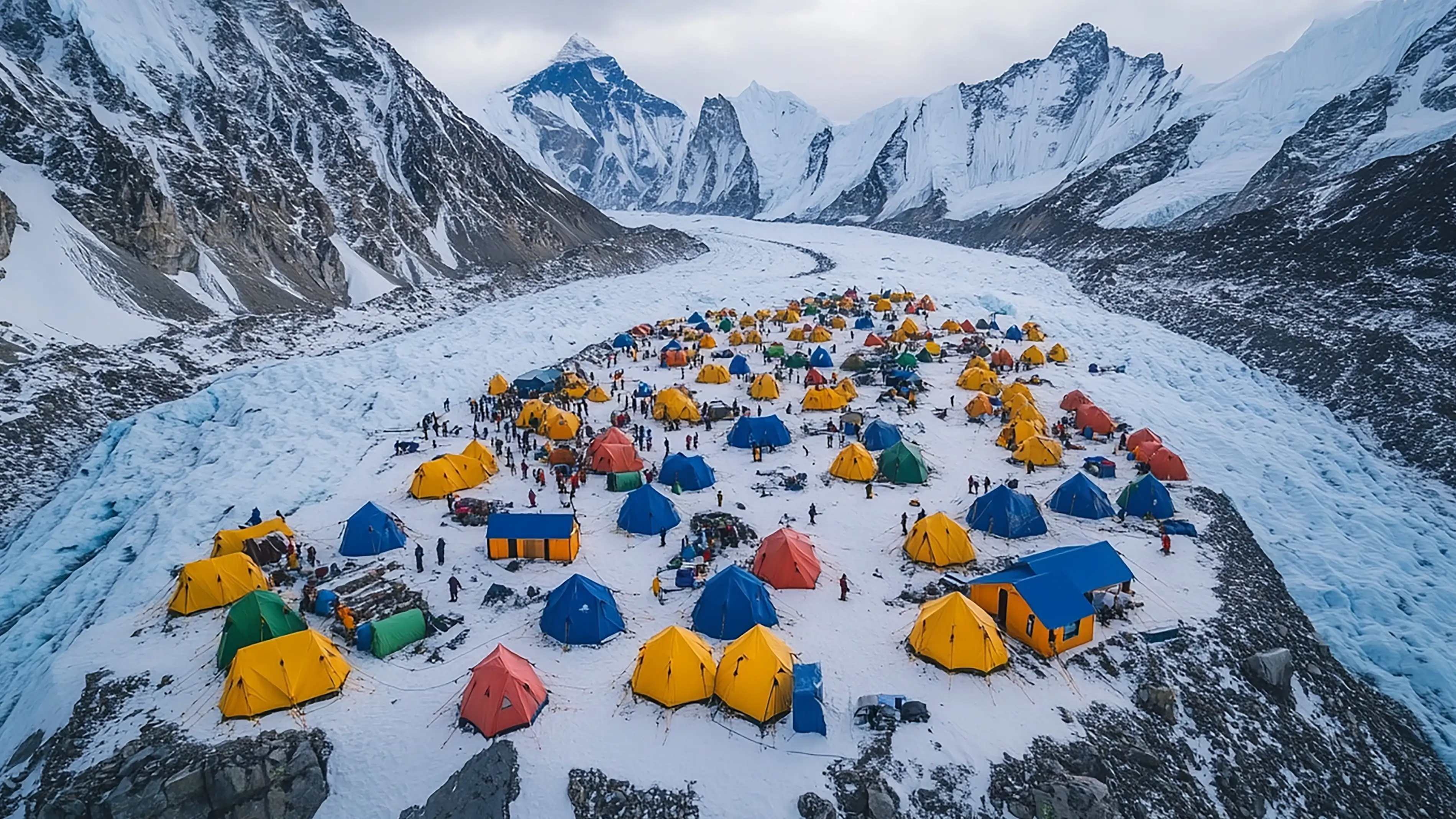
Daytime temperatures run 5°C to 15°C at lower elevations, dropping to -5°C to -15°C at night above Dingboche. Rhododendron forests below Namche bloom through April, and this is also Everest's main climbing season — Base Camp itself is alive with expedition tents and activity.
Autumn Season (September to November): Sharpest Visibility, Post-Monsoon Air, Best Overall Season
This is generally the clearest window of the year. Daytime temperatures sit in a similar 5°C to 15°C range, with nights dropping to -5°C to -15°C, but post-monsoon air gives the sharpest mountain visibility of any season.
Month-by-Month Quick Reference
Month | Conditions | Recommended? |
March | Cold, improving | Good |
April | Best spring month | Peak |
May | Late spring, climbing season | Good |
June | Monsoon begins | Avoid |
July–August | Heavy monsoon | Avoid |
September | Post-monsoon clearing | Good |
October | Best autumn month | Peak |
November | Late autumn, colder | Good |
December | Cold, quiet | Experienced trekkers only |
For a deeper monthly comparison across EBC, Annapurna, and Langtang, see our best time to trek guide.
Accommodation and Food on the Everest Base Camp Trek
You'll sleep in teahouses the entire way — simple mountain lodges, not tents or hotels — and the standard drops noticeably the higher you climb.
Teahouses: What to Expect at Each Altitude Zone
Location | Altitude | Room Standard | Hot Shower | Wi-Fi | Approx Cost/Night |
Phakding | 2,610m | Basic, shared bathroom | Yes | Yes | $5–$10 |
Namche Bazaar | 3,440m | Better, some en-suite | Yes | Yes | $10–$20 |
Tengboche | 3,860m | Basic | Limited | Limited | $8–$15 |
Dingboche | 4,410m | Basic, unheated | No | No | $8–$12 |
Lobuche | 4,940m | Very basic | No | No | $10–$15 |
Gorak Shep | 5,164m | Minimal | No | No | $10–$15 |
Trail Food on the EBC Trek: What You'll Actually Eat
Dal bhat (lentil soup with rice) is the best value meal on the entire route, and most lodges offer unlimited refills. The menu narrows noticeably above Dingboche, where everything is carried in by porter or yak, and prices climb accordingly. Bottled water gets expensive fast at higher elevations — bring a purification method instead.
The Insider Tip: Buy a Wi-Fi SIM Card in Namche
Buy a 10GB local SIM card in Namche Bazaar — it covers most of the EBC route and costs far less than paying per lodge Wi-Fi session.
What to Pack for the Everest Base Camp Trek
Packing right for the Everest Base Camp trek comes down to layering and weight discipline — your porter carries a duffel limited to around 15kg, and your daypack should stay around 5–7kg.
Clothing: base layers, mid-weight fleece, a heavyweight down jacket, waterproof shell, warm hat, insulated gloves
Gear: sleeping bag rated to -15°C or colder, trekking poles, headlamp, water purification method
Documents: passport with photocopies, travel insurance confirming helicopter evacuation cover up to 6,000m, permits
For the complete category-by-category checklist with exact quantities, see our full Everest Base Camp trek packing list.
What to Rent in Kathmandu vs Bring From Home
Rent your down jacket, sleeping bag, and trekking poles in Kathmandu's Thamel district — quality gear is available cheaply and saves you carrying it from home. Bring your own broken-in trekking boots, since these can't be safely rented, along with any personal medications and your base layers.
Can You Trek Everest Base Camp Solo?
Yes, solo trekking is possible on the Everest Base Camp trek — but since April 2023, all trekkers must be accompanied by a licensed guide. Unguided independent trekking is no longer permitted inside Sagarmatha National Park.
Solo Trekking After the 2023 Guide Mandate
Since April 2023, independent unguided trekking is not permitted inside Sagarmatha National Park. Every trekker on the Everest Base Camp trek must have a licensed guide. In practice, "solo" now means trekking without other clients in your group, not trekking without support — your guide is always with you. This regulation is widely misunderstood, and clearing it up early avoids surprise at the permit checkpoint.
Joining a Group vs Private Trek: Which Is Right for You?
Factor | Group Trek | Private Trek |
Cost | 20–30% less | Higher — dedicated guide and porter |
Departure dates | Fixed schedule | Flexible — your dates |
Pace control | Shared — group sets the pace | Full control |
Social experience | Shared with other trekkers | Just you and your guide |
Guide | Shared across group | Dedicated to you |
Best for | Flexible dates, budget priority | Fixed dates, pacing preference |
Is the Everest Base Camp Trek Safe for Female Trekkers?
Yes, the Everest Base Camp trek is one of the most heavily monitored routes in Nepal, with regular checkpoints and a steady flow of trekkers throughout the season. The mandatory guide rule adds a further layer of support that didn't exist before 2023, and female guides are available on request through Navigate Globe.
Everest Base Camp vs Other Treks: Which Should You Do?
Choose the Everest Base Camp trek for Nepal's most iconic Himalayan experience at 5,364m. Choose Annapurna Circuit for more cultural variety and a lower budget. Choose Langtang for a shorter, quieter alternative under 4,000m.
Everest Base Camp | Annapurna Circuit | Langtang Valley | |
Max Altitude | 5,364m (5,545m Kala Patthar) | 5,416m (Thorong La) | 3,870m |
Duration | 12–16 days | 15–20 days | 7–10 days |
Difficulty | Moderate–Hard | Moderate–Hard | Easy–Moderate |
Crowds | High (Oct, Apr) | Moderate | Low |
Cost | $1,200–$3,500 | $900–$2,500 | $700–$1,500 |
Best For | The iconic Everest experience | Culture and landscape variety | A quieter, shorter trek |
Read the full Everest Base Camp vs Annapurna comparison if you're weighing the two against each other.
Everest Base Camp Nepal vs Tibet: Different Routes Explained
The Nepal approach is the classic teahouse trek most people picture. The Tibet approach is a multi-day drive to around 5,200m with no walking-based acclimatization — a completely different trip in feel, cost, and physical demand. See our Everest Base Camp Tibet vs Nepal guide for the full side-by-side.
The Khumbu Region: What You're Trekking Through
The Everest Base Camp trek runs entirely through the Khumbu, home to Sagarmatha National Park, the Sherpa people, and landmarks like Tengboche Monastery (the largest in the region), Pangboche Monastery (the oldest), and the Khumbu Glacier itself. For the full regional picture — villages, culture, permits, and seasons — see our Khumbu region guide.
The Khumbu Icefall: What Is It, and Will You See It?
The Khumbu Icefall is the dangerous, constantly shifting lower section of the Khumbu Glacier, visible from both Base Camp and Gorak Shep. During spring climbing season it's framed by colorful expedition tents and visible mountaineering activity; in autumn, the same view is quieter and starker. Read more in our Khumbu Icefall update.
Why Trek With a Local Kathmandu-Based Agency
Navigate Globe has run Everest Base Camp trek departures from Kathmandu since 2009, licensed with the Nepal Tourism Board. As a locally based operator, we book directly with teahouses, work with guides and porters at TAAN-recommended rates, and manage our own flight rebooking when Lukla weather causes delays — instead of relying on a third party overseas.
International operators booking the same Everest Base Camp trek itinerary through a Kathmandu ground agency typically add 30–50% on top of the local price. The guide walking beside you on the trail is the same person either way — only the price and the number of middlemen change.
Our Everest Base Camp trek packages include all permits, a licensed English-speaking guide, one porter per two trekkers, teahouse accommodation, meals on the trail, Lukla flights, and Kathmandu airport transfers, with no hidden fees on the mountain.
See our Everest Base Camp trek packages →
Ready to trek to Everest Base Camp? Get a custom quote from Navigate Globe — Kathmandu-based, NTB-licensed, and running Everest Base Camp trek departures since 2009.
Use this guide with
Compare Everest Base Camp Helicopter Tour
Review the itinerary, inclusions, cost notes, and booking options for the closest matching package.
Everest Base Camp Trek Itinerary: The Complete Route Guide (2026)
Continue into the next planning question in this topic cluster.
Everest Region destination guide
Check destination details, route context, and nearby trip options.
Nepal travel FAQ
Verify practical details around visas, safety, packing, payment, and trip preparation.
Related packages
Everest Base Camp Helicopter Tour
Fly directly to Kala Patthar (5,545m) for breathtaking 360-degree views of Everest, Lhotse, Nuptse, and the Khumbu Glacier. Includes breakfast at the world's highest-situated luxury hotel.
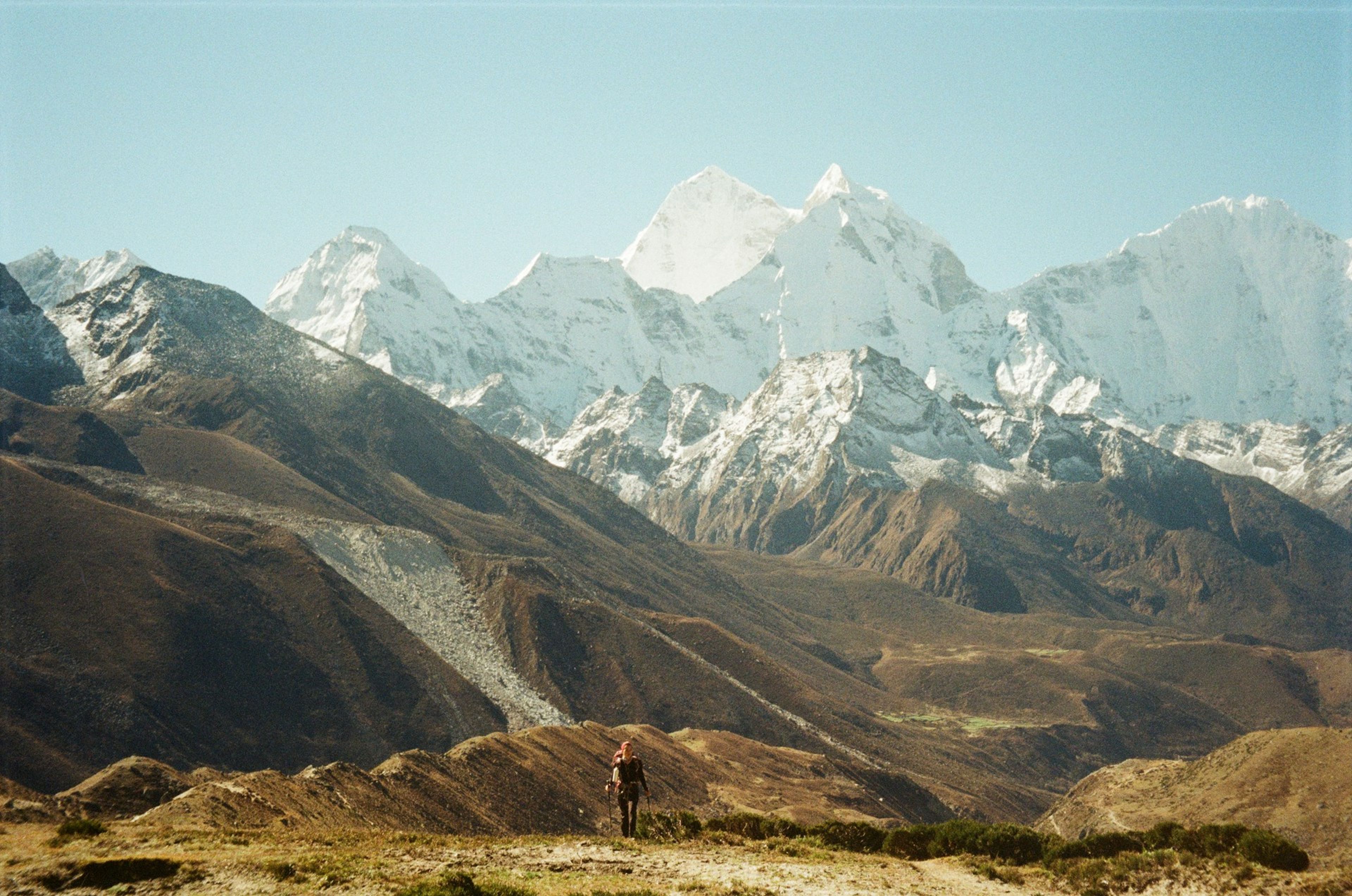
Everest Base Camp Trek 14-Day Package
Experience the ultimate Himalayan adventure on this 14-day journey to Everest Base Camp, featuring stunning mountain vistas, Sherpa culture, and the iconic Kala Patthar sunrise.
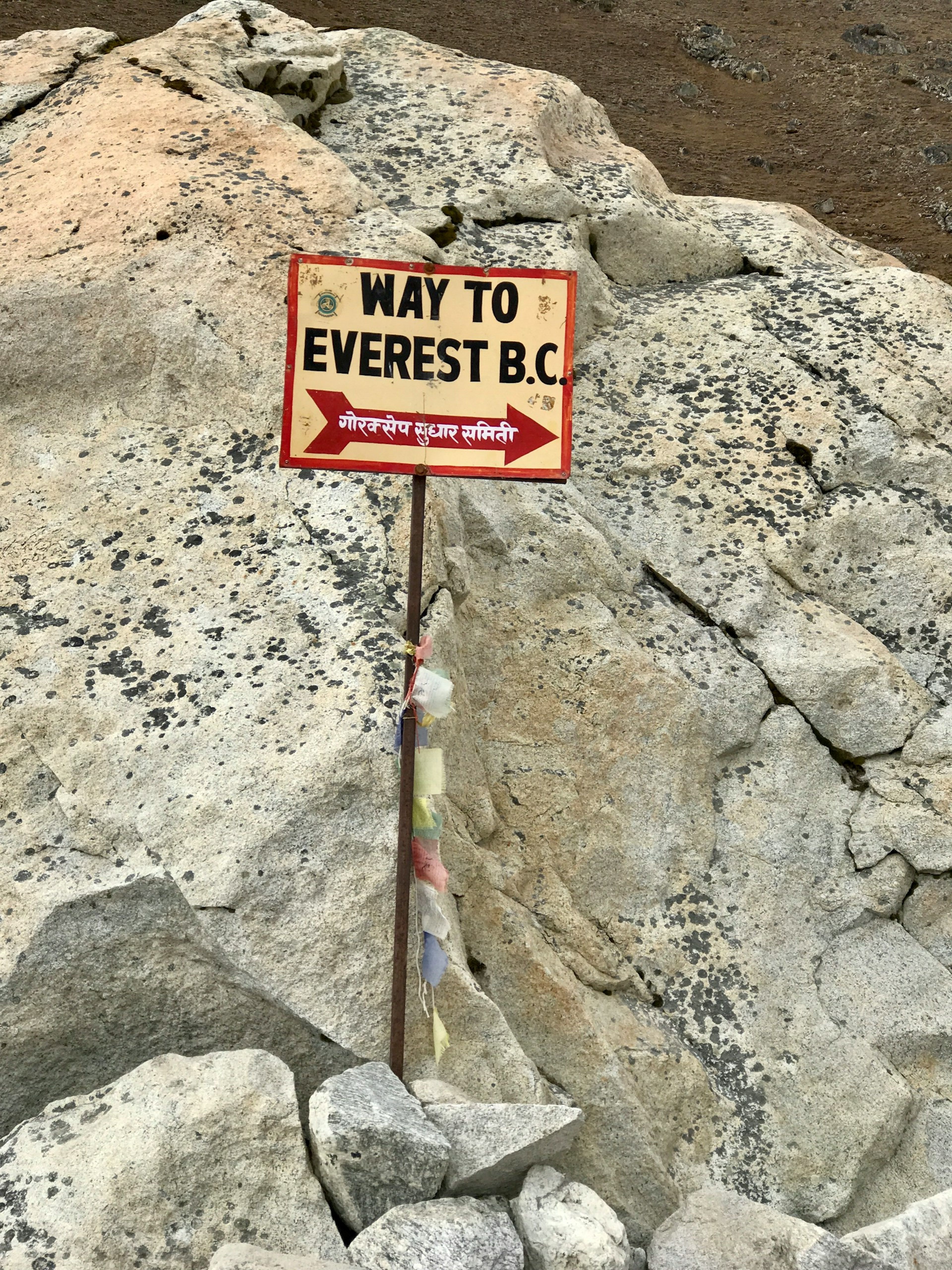
EBC Trek via Gokyo Cho La Pass – 17 Days
A 17-day challenging circuit combining the five Gokyo Lakes, the dramatic Cho La Pass (5,420m), Everest Base Camp, and a sunrise summit of Kala Patthar for the most complete Khumbu experience possible.
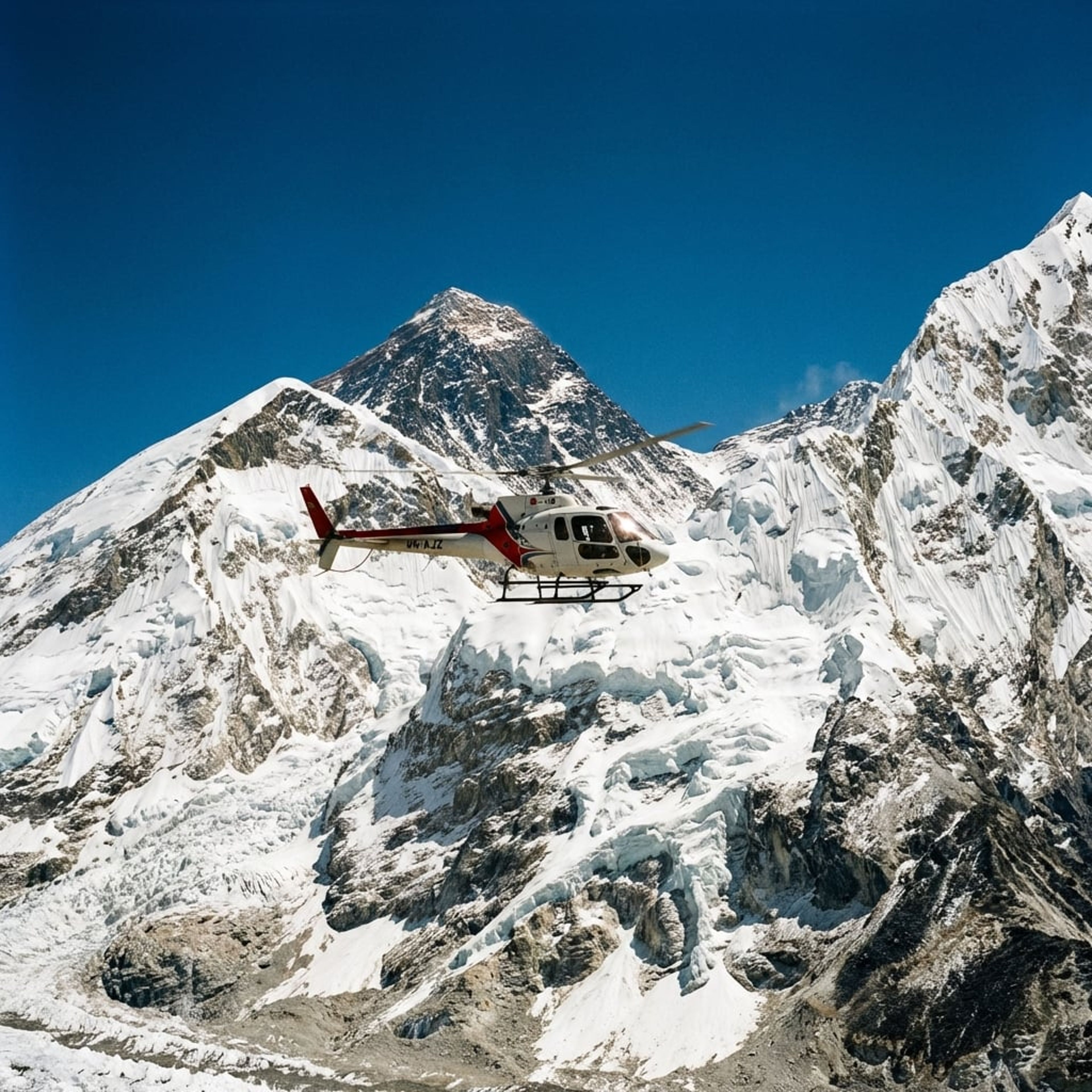
Gokyo to Lukla Helicopter
Scenic 40-minute helicopter transfer from Gokyo Valley to Lukla with views of Everest, Lhotse, Cho Oyu, Makalu, and the turquoise Gokyo Lakes.
Frequently Asked Questions
How long is the Everest Base Camp Trek?
The standard Everest Base Camp trek takes 14 days, Kathmandu to Kathmandu. Shorter 12-day options exist for experienced trekkers, and 16-day itineraries add extra rest days for a safer, gentler pace.
How much does the Everest Base Camp Trek cost in 2026?
A guided Everest Base Camp trek costs between $1,200 and $3,500 per person, depending on accommodation standard and service level. This typically covers permits, guide, porter, flights, meals, and teahouse accommodation.
Do I need a guide for the Everest Base Camp Trek?
Yes, since April 2023, Nepal requires all trekkers in Sagarmatha National Park to hire a licensed guide, and independent unguided trekking is no longer permitted.
What permits do I need for Everest Base Camp?
You need a Sagarmatha National Park entry permit and a Khumbu Rural Municipality entry fee. Arrange both permits in Kathmandu before departure, or collect them at the checkpoints.
What is the best time to do the Everest Base Camp Trek?
Spring (March–May) and autumn (September–November) offer the clearest skies and most stable trekking conditions. October and April are generally considered the peak months for visibility and trail conditions.
How difficult is the Everest Base Camp Trek for first-timers?
It's rated moderate to challenging, driven mainly by altitude rather than technical terrain. First-timers who train for 6–8 weeks beforehand and follow a 14-day itinerary with proper acclimatization days succeed at a high rate.
What is the highest point on the Everest Base Camp Trek?
Kala Patthar, at 5,545m, is the highest point most trekkers reach. Everest Base Camp itself sits slightly lower, at 5,364m.
How do I get to Lukla?
Most trekkers fly from Kathmandu, or from Ramechhap's Manthali Airport during peak season, on a short 35-minute flight. An alternative land route via Surke avoids flying entirely but adds about two extra days.
Is altitude sickness a real risk on the Everest Base Camp Trek?
Yes, mild symptoms like headache and fatigue are common above 3,500m, while severe conditions like HACE and HAPE are rare but serious if acclimatization is rushed. Proper pacing and two dedicated rest days significantly reduce the risk.
What is Kala Patthar, and is it different from Base Camp?
Kala Patthar is a separate viewpoint above Gorak Shep offering the classic Everest summit photograph, which isn't visible from Base Camp itself. Most itineraries include both stops on consecutive days.
Can I extend the Everest Base Camp Trek to include Gokyo Lakes?
Yes, The EBC via Gokyo & Cho La Pass route adds the Gokyo Lakes and a high pass crossing, extending the standard trek to around 17–18 days for experienced trekkers.
Is travel insurance mandatory for the Everest Base Camp Trek?
Yes, in practice. You need coverage that explicitly includes helicopter evacuation up to at least 6,000m, since standard travel insurance policies typically exclude high-altitude trekking.
How early should I book the Everest Base Camp Trek?
Booking three to six months ahead is recommended for peak season (spring and autumn), especially for Lukla flight availability and preferred departure dates.
What is included in a Navigate Globe Everest Base Camp Trek package?
Permits, a licensed English-speaking guide, porter support, teahouse accommodation, meals on the trail, Lukla flights, and Kathmandu airport transfers are all included, with no hidden costs added on the mountain.
Can I trek Everest Base Camp over 50 years old?
Yes, here's no age limit on the Everest Base Camp trek, and trekkers in their 50s, 60s, and beyond complete it successfully every season with proper training and a slightly extended itinerary.
Sources and Official References
We use official and primary sources where possible. Travel rules, access, and operating conditions can change, so confirm requirements before departure.
Nepal Tourism Board Sagarmatha National Park guide
Official tourism-board reference for Sagarmatha National Park and Everest-region visitor context.
Last checked May 6, 2026
Nepal Tourism Board trekking permit guidance
Official tourism-board guidance for Nepal trekking permit planning and restricted-area preparation.
Last checked May 6, 2026
Department of Immigration trekking permit rules
Government immigration guidance for restricted-area trekking permits and trekking access rules.
Last checked May 6, 2026
CDC high-altitude travel guidance
Medical reference for altitude exposure, acclimatization, and altitude-illness risk planning.
Last checked May 6, 2026

Reviewed by
Navigate Globe Nepal Planning Desk
Kathmandu-based Nepal travel specialists
Route planning, trekking logistics, permits, altitude-risk planning, and Nepal ground operations.