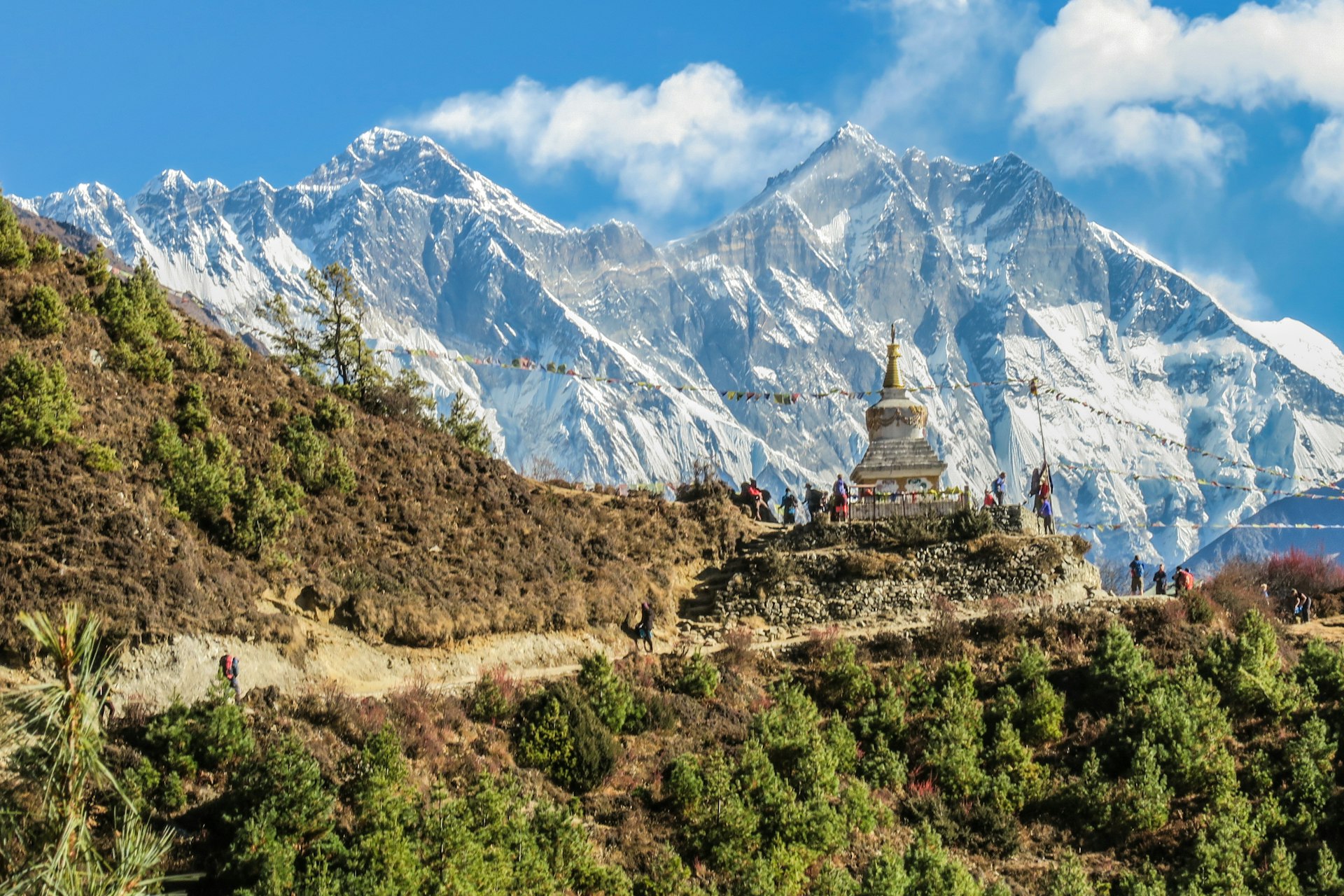
Lumbini Pilgrimage Tour Guide
A Lumbini pilgrimage should be planned around quiet movement, Buddhist context, sacred etiquette, and enough time for both the Maya Devi Temple and the wider monastic zone.
Lumbini Pilgrimage Tour planning reality
- Maya Devi Temple
- Sacred garden
- Monastic zone
- Kapilvastu extension
Who should choose this
- Match the route to the traveler’s comfort level, available days, and cultural expectations.
- Keep local timing, access, guide quality, and fallback plans visible before confirming dates.
- Avoid overloading the itinerary when the experience depends on atmosphere, people, or seasonality.
Best planning window
- Confirm the current local calendar before fixing travel dates.
- Build extra time around festival days, mountain weather, or remote-road access.
- Use private planning when timing or etiquette matters more than a generic group schedule.
Logistics and local judgment
- Confirm permits, guide requirements, transport, accommodation, and local restrictions close to departure.
- Ask what changes if weather, crowds, road conditions, or public holidays affect the plan.
- Use local guides who can explain etiquette and adjust the route in real time.
Expert planning note
Use this guide with
Compare Lumbini Buddhist Pilgrimage Tour
Review the itinerary, inclusions, cost notes, and booking options for the closest matching package.
Lumbini Buddhist Tour Guide
Continue into the next planning question in this topic cluster.
Lumbini destination guide
Check destination details, route context, and nearby trip options.
Nepal travel FAQ
Verify practical details around visas, safety, packing, payment, and trip preparation.
Related packages
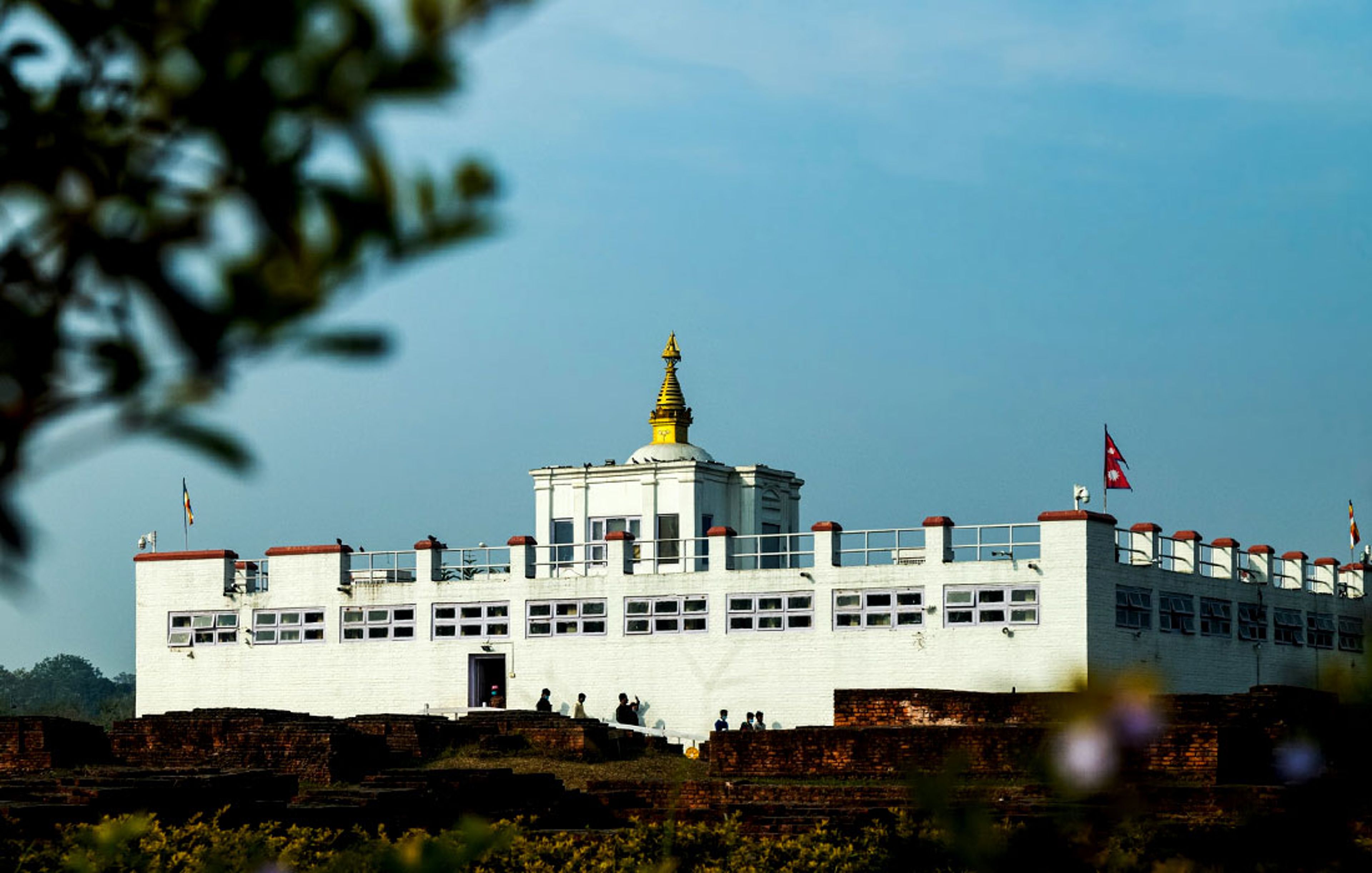
Lumbini Buddhist Pilgrimage Tour
Visit the birthplace of Lord Buddha at UNESCO-listed Lumbini - explore the sacred garden, Mayadevi Temple, and international monasteries.
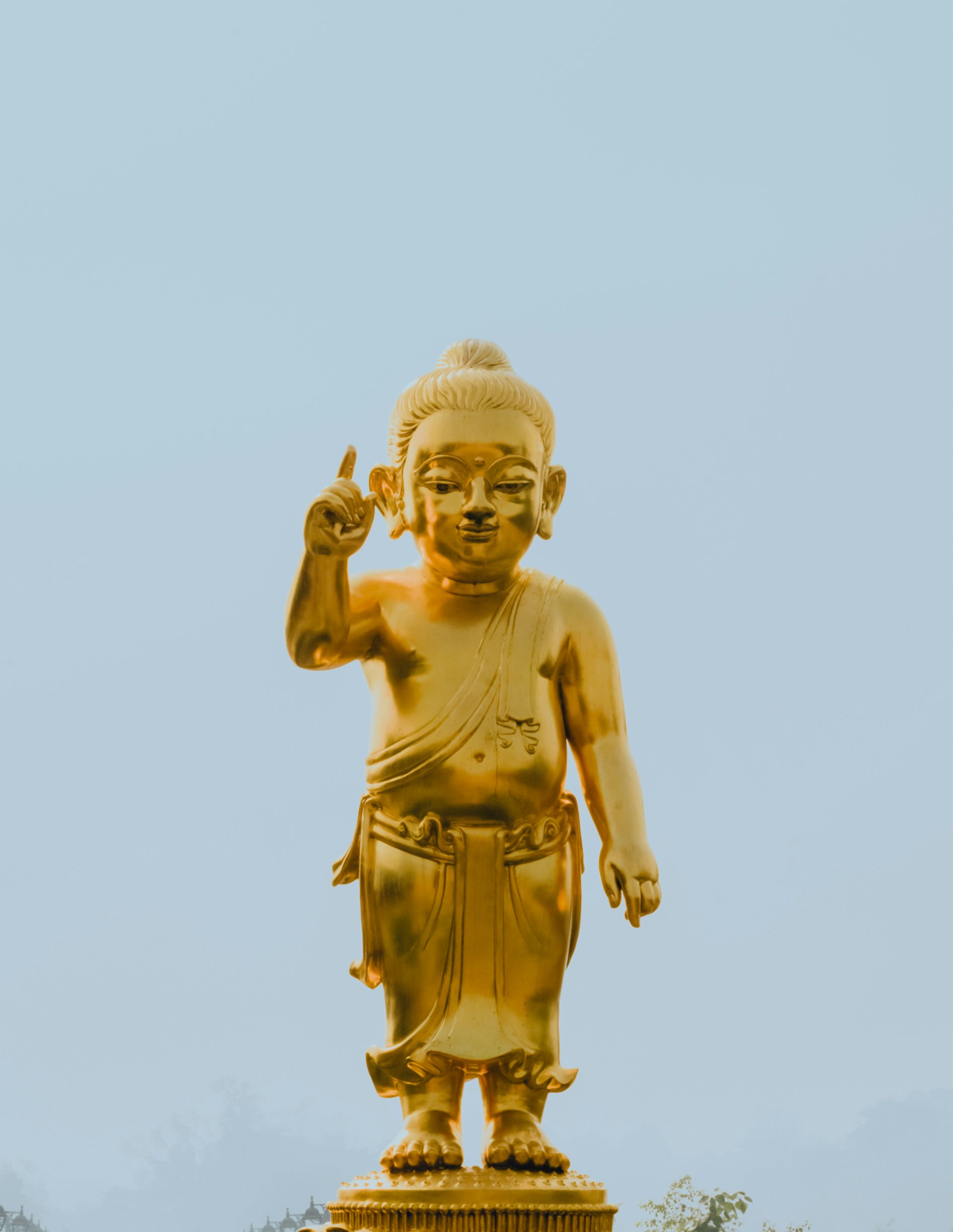
Nepal Spiritual Tour - 10 Days
A 10-day journey through Nepal's spiritual heart — monastery stays, temple visits, a Newari homestay, and a pilgrimage to Lumbini where the Buddha was born.
Frequently asked questions
How many days should I plan for a Lumbini pilgrimage?
One full day is the minimum; two days are better for pilgrimage and nearby Buddhist sites.
What is the best time for a Lumbini pilgrimage?
October to March is most comfortable.
Who is a Lumbini pilgrimage best for?
It suits spiritual travelers, Buddhists, heritage guests, and anyone interested in the Buddha’s life.
Do I need a specialist guide?
A guide with Buddhist heritage knowledge is recommended.
Sources and official references
We use official and primary sources where possible. Travel rules, access, and operating conditions can change, so confirm requirements before departure.
Nepal Tourism Board Lumbini guide
Official tourism-board destination reference for Lumbini pilgrimage and visitor planning.
Last checked May 6, 2026
UNESCO Lumbini World Heritage listing
UNESCO reference for Lumbini, the birthplace of the Lord Buddha, and its World Heritage value.
Last checked May 6, 2026