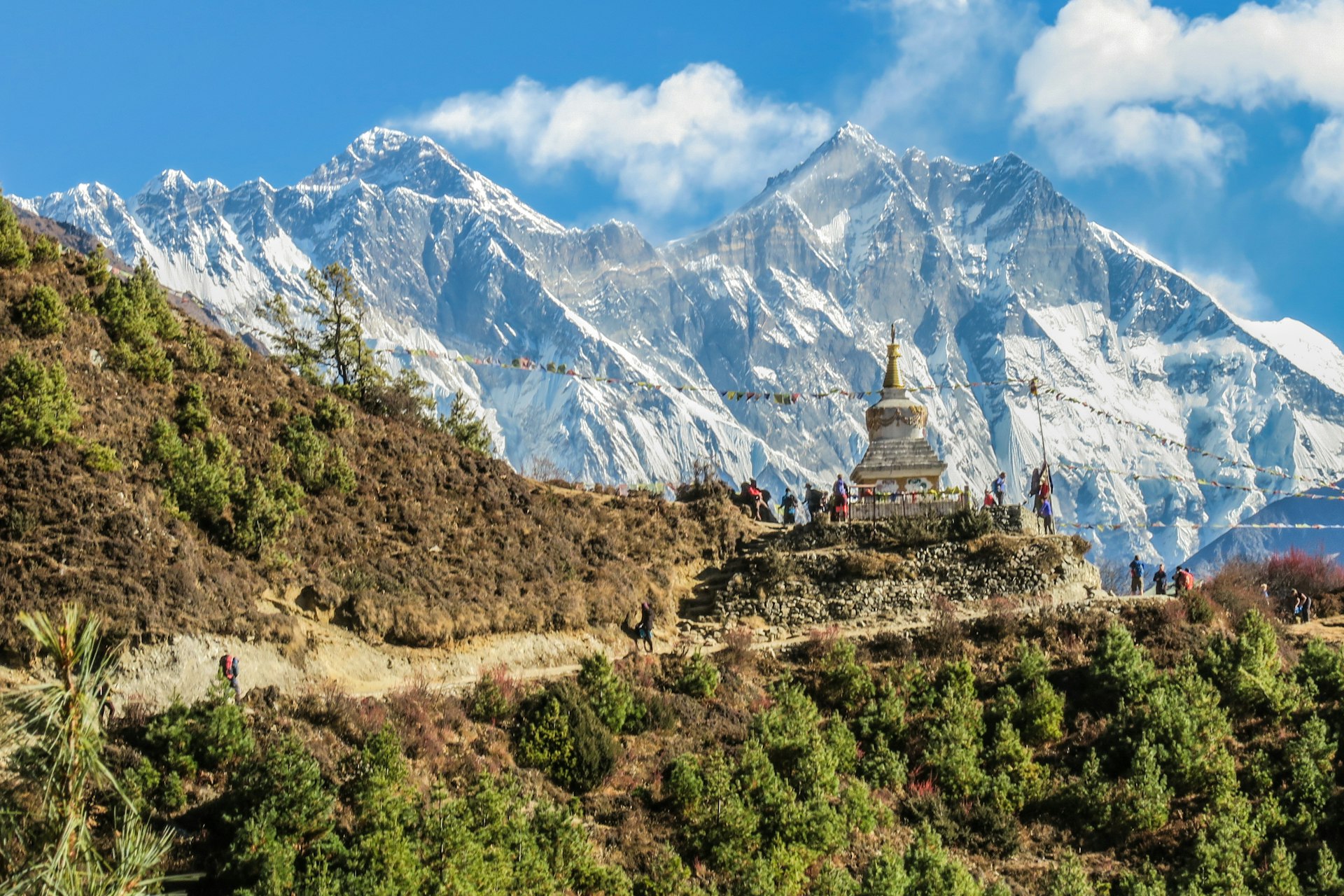
Lumbini Buddhist Tour Guide
A Lumbini Buddhist tour is most meaningful when it is paced as a pilgrimage and heritage experience, not only a quick stop at the Maya Devi Temple. This guide explains how to plan the sacred core, monastic zone, and nearby extensions.
Lumbini Buddhist Tour planning reality
- Maya Devi Temple
- Ashoka Pillar
- Monastic zone
- Kapilvastu extension
Who should choose this
- Match the route to the group pace and attention span.
- Avoid combining too many stops into a single day.
- Keep transfer time visible when comparing short itineraries.
Best planning window
- October to April usually gives the most comfortable sightseeing conditions.
- Monsoon can still work for city and culture routes with rain-aware pacing.
- Festival timing can improve the experience if crowds and closures are planned around.
Logistics and local judgment
- Use early starts for heritage squares, viewpoints, and wildlife activities.
- Build meal, traffic, and photography time into the day.
- Confirm current road, opening-hour, and permit conditions before departure.
Expert planning note
Use this guide with
Compare Lumbini Buddhist Pilgrimage Tour
Review the itinerary, inclusions, cost notes, and booking options for the closest matching package.
Lumbini Tour Itinerary
Continue into the next planning question in this topic cluster.
Lumbini destination guide
Check destination details, route context, and nearby trip options.
Nepal travel FAQ
Verify practical details around visas, safety, packing, payment, and trip preparation.
Related packages
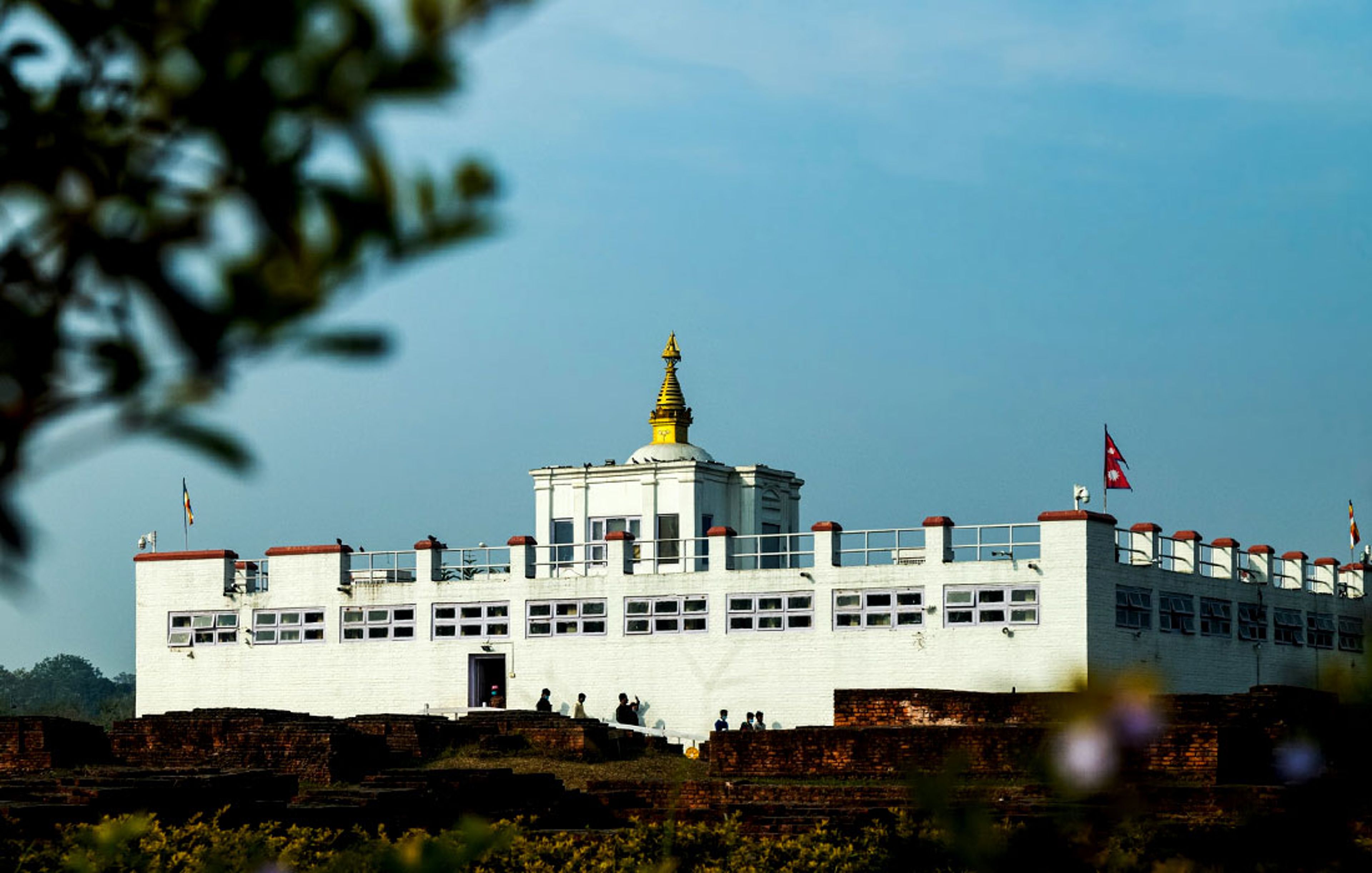
Lumbini Buddhist Pilgrimage Tour
Visit the birthplace of Lord Buddha at UNESCO-listed Lumbini - explore the sacred garden, Mayadevi Temple, and international monasteries.
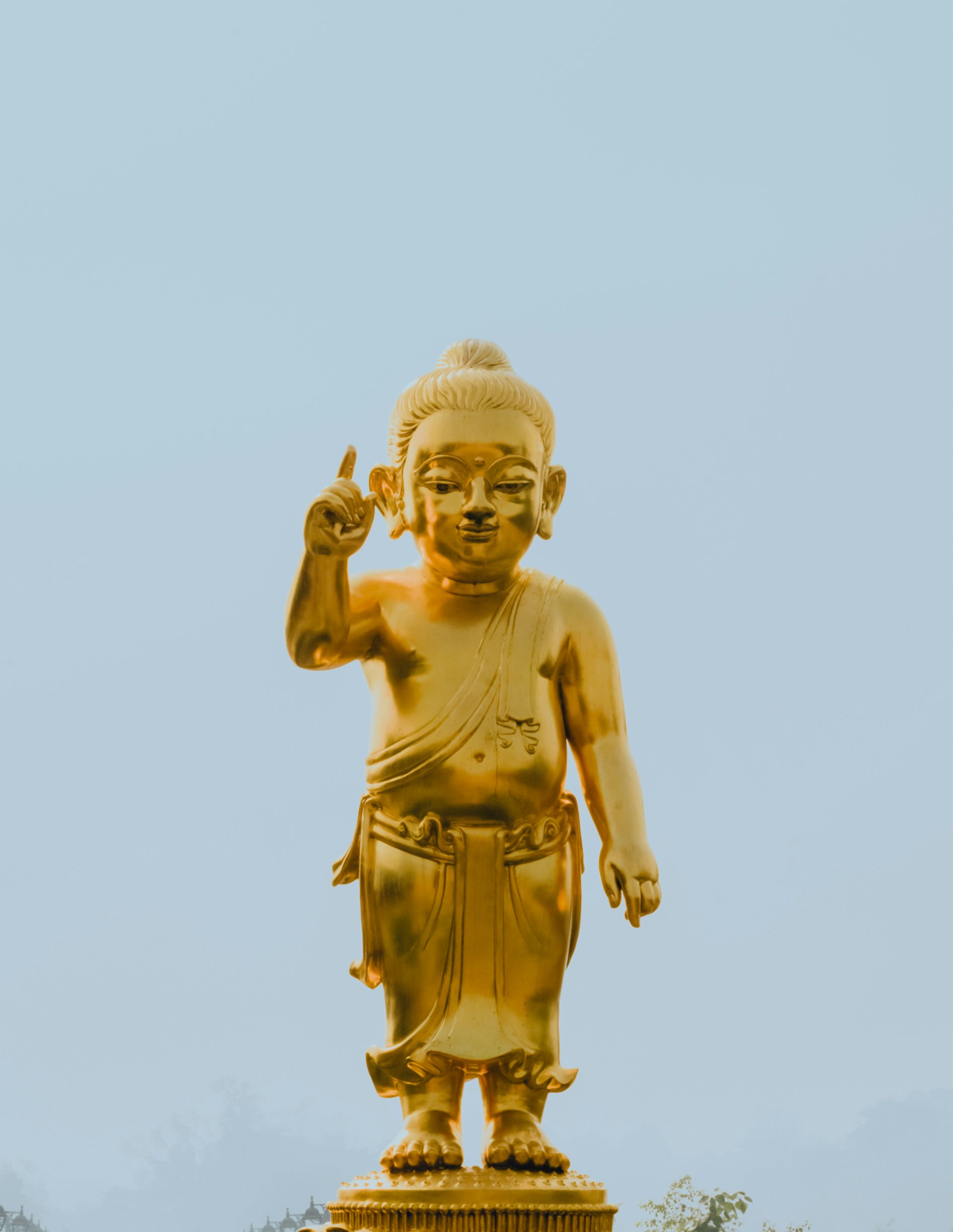
Nepal Spiritual Tour - 10 Days
A 10-day journey through Nepal's spiritual heart — monastery stays, temple visits, a Newari homestay, and a pilgrimage to Lumbini where the Buddha was born.
Frequently asked questions
How many days should I plan for a Lumbini Buddhist tour?
One full day covers the core. Two days is better with the monastic zone and Kapilvastu extension.
What is the best time for a Lumbini Buddhist tour?
October to March is most comfortable because the plains can be hot in late spring and summer.
Is a Lumbini Buddhist tour good for families?
Yes, for families interested in culture and history, though the pacing should include shaded breaks.
Do I need a guide for a Lumbini Buddhist tour?
A guide is recommended for historical context, site order, and respectful pilgrimage etiquette.
Sources and official references
We use official and primary sources where possible. Travel rules, access, and operating conditions can change, so confirm requirements before departure.
Nepal Tourism Board Lumbini guide
Official tourism-board destination reference for Lumbini pilgrimage and visitor planning.
Last checked May 6, 2026
UNESCO Lumbini World Heritage listing
UNESCO reference for Lumbini, the birthplace of the Lord Buddha, and its World Heritage value.
Last checked May 6, 2026