Everest Base Camp Trek with Helicopter Return
The Everest Base Camp trek with helicopter return keeps the walk-in journey through the Khumbu but replaces part of the long descent with a flight. It is best understood as a hybrid plan, not a shortcut around acclimatization.
Everest Base Camp Trek with Helicopter Return route reality
- Trek in, fly out
- Weather-sensitive exit
- Best after Base Camp or Kala Patthar
- Ground backup still needed
Who should choose this
- Match the route to available days, not only the destination name.
- Check altitude gain, lodge comfort, and transport reliability before finalizing dates.
- Keep a backup day when mountain flights or long road transfers are part of the plan.
Best planning window
- Spring and autumn are the main planning windows for most trekkers.
- Winter can work on lower or shorter routes with warmer gear and flexible expectations.
- Monsoon needs a region-specific plan because visibility, rain, and trail conditions vary sharply.
Logistics and local judgment
- Confirm current road, trail, and flight conditions close to departure.
- Use realistic walking hours rather than map distance alone.
- Plan descent and exit options before the group is tired or weather changes.
Expert planning note
Use this guide with
Compare Everest Base Camp Trek - 14 Days
Review the itinerary, inclusions, cost notes, and booking options for the closest matching package.
Everest Base Camp Trek Itinerary
Continue into the next planning question in this topic cluster.
Everest Region destination guide
Check destination details, route context, and nearby trip options.
Nepal travel FAQ
Verify practical details around visas, safety, packing, payment, and trip preparation.
Related packages
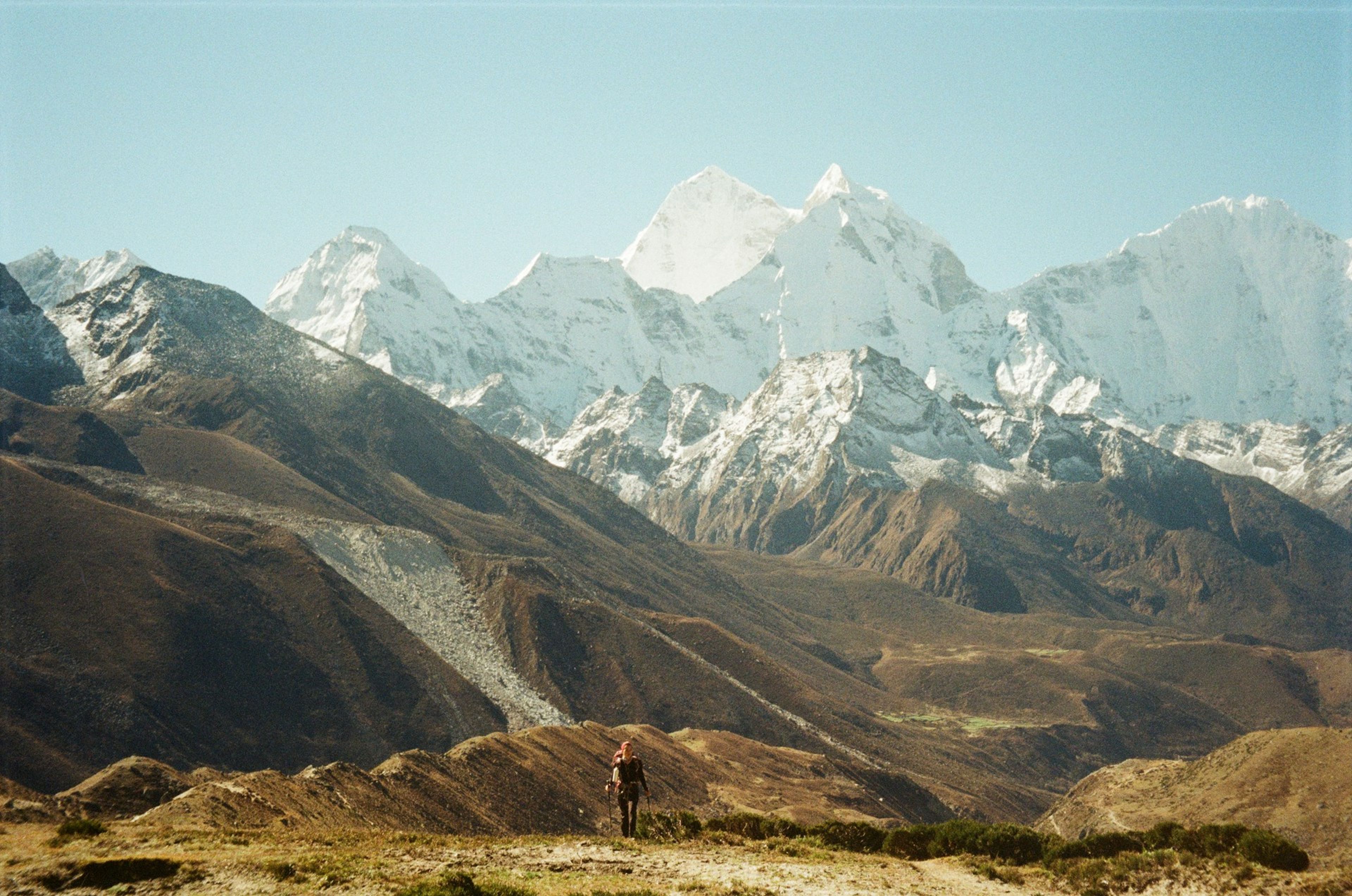
Everest Base Camp Trek - 14 Days
Experience the ultimate Himalayan adventure on this 14-day journey to Everest Base Camp, featuring stunning mountain vistas, Sherpa culture, and the iconic Kala Patthar sunrise.
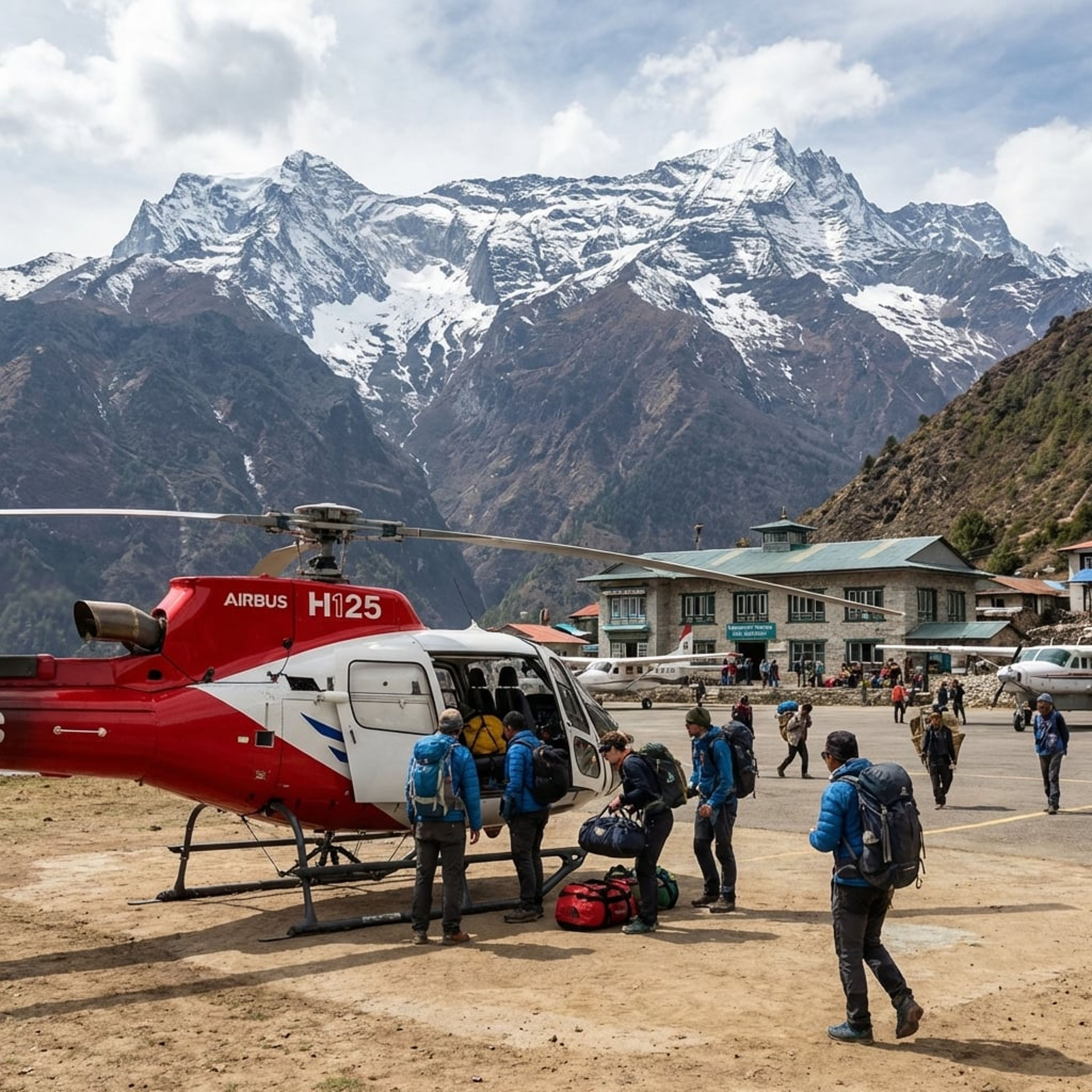
Everest Base Camp Helicopter Tour
Fly directly to Kala Patthar (5,545m) for breathtaking 360-degree views of Everest, Lhotse, Nuptse, and the Khumbu Glacier. Includes breakfast at the world's highest-situated luxury hotel.
Frequently asked questions
How many days should I plan for Everest Base Camp trek with helicopter return?
Many travelers use this to reduce the return portion of a 12 to 14 day structure, but the ascent should still keep proper acclimatization days.
How difficult is Everest Base Camp trek with helicopter return?
The uphill trek remains challenging. The helicopter mainly reduces descent fatigue and total time after the high-altitude objective.
What is the best time for Everest Base Camp trek with helicopter return?
Autumn and spring are best. Winter can work with cold conditions. Monsoon is more uncertain for flying.
Do I need a guide for Everest Base Camp trek with helicopter return?
A guide and operator coordination are important because pickup timing, weather, and alternative plans need local management.
Sources and official references
We use official and primary sources where possible. Travel rules, access, and operating conditions can change, so confirm requirements before departure.
Nepal Tourism Board Sagarmatha National Park guide
Official tourism-board reference for Sagarmatha National Park and Everest-region visitor context.
Last checked May 6, 2026
Nepal Tourism Board trekking permit guidance
Official tourism-board guidance for Nepal trekking permit planning and restricted-area preparation.
Last checked May 6, 2026
Department of Immigration trekking permit rules
Government immigration guidance for restricted-area trekking permits and trekking access rules.
Last checked May 6, 2026
CDC high-altitude travel guidance
Medical reference for altitude exposure, acclimatization, and altitude-illness risk planning.
Last checked May 6, 2026