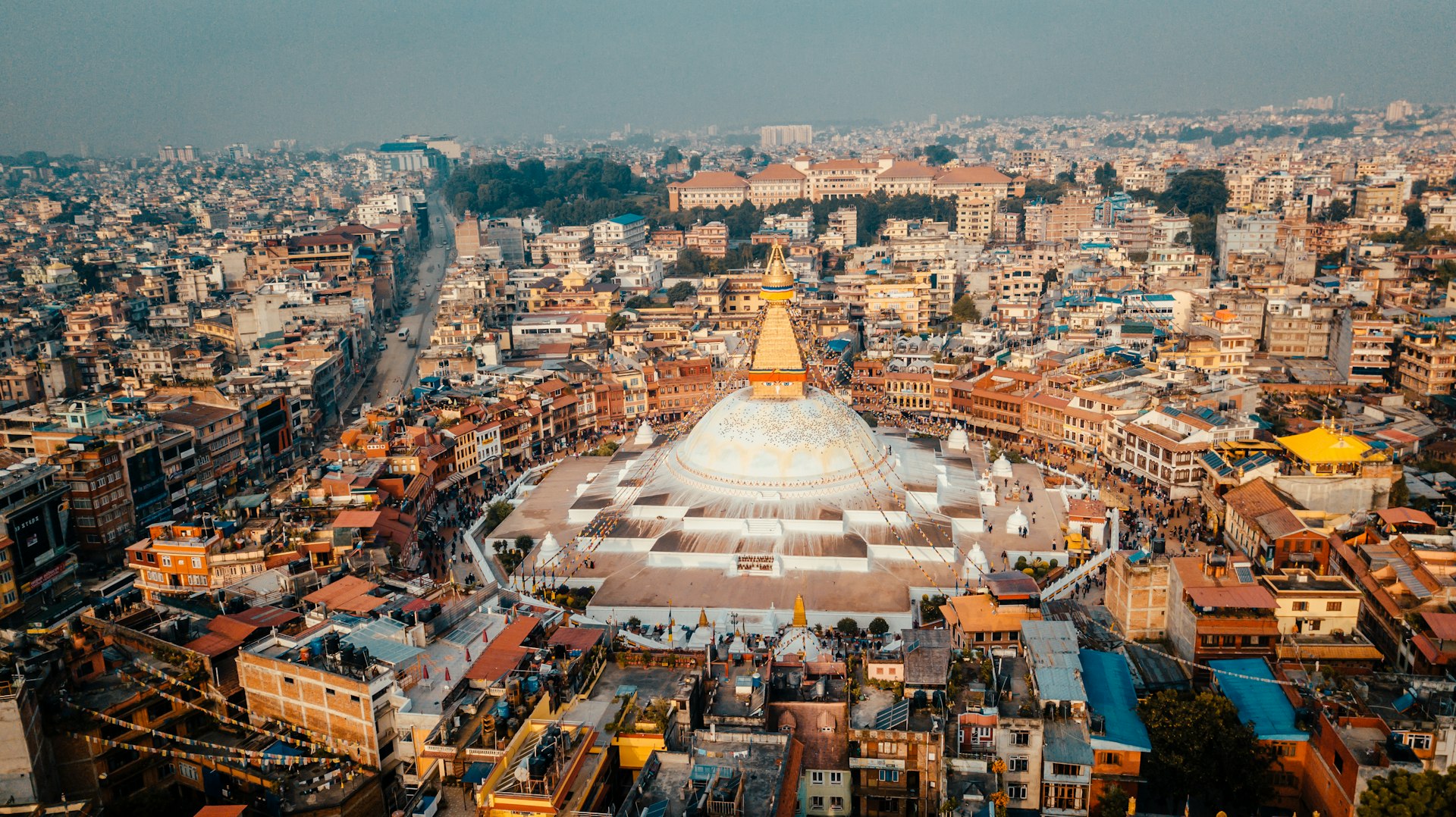
Kathmandu Valley Tour Itinerary
A Kathmandu Valley itinerary should be built around neighborhoods and traffic flow, not only famous names. This page shows how to pace the valley without exhausting the group before the rest of Nepal.
Kathmandu Valley Tour Itinerary planning reality
- Day 1 Kathmandu core
- Day 2 Patan and Bhaktapur
- Optional Nagarkot sunrise
- Food or artisan add-on
Who should choose this
- Match the route to the group pace and attention span.
- Avoid combining too many stops into a single day.
- Keep transfer time visible when comparing short itineraries.
Best planning window
- October to April usually gives the most comfortable sightseeing conditions.
- Monsoon can still work for city and culture routes with rain-aware pacing.
- Festival timing can improve the experience if crowds and closures are planned around.
Logistics and local judgment
- Use early starts for heritage squares, viewpoints, and wildlife activities.
- Build meal, traffic, and photography time into the day.
- Confirm current road, opening-hour, and permit conditions before departure.
Expert planning note
Use this guide with
Compare Kathmandu City Tour
Review the itinerary, inclusions, cost notes, and booking options for the closest matching package.
Best Time for Kathmandu Valley Tour
Continue into the next planning question in this topic cluster.
Kathmandu destination guide
Check destination details, route context, and nearby trip options.
Nepal travel FAQ
Verify practical details around visas, safety, packing, payment, and trip preparation.
Related packages
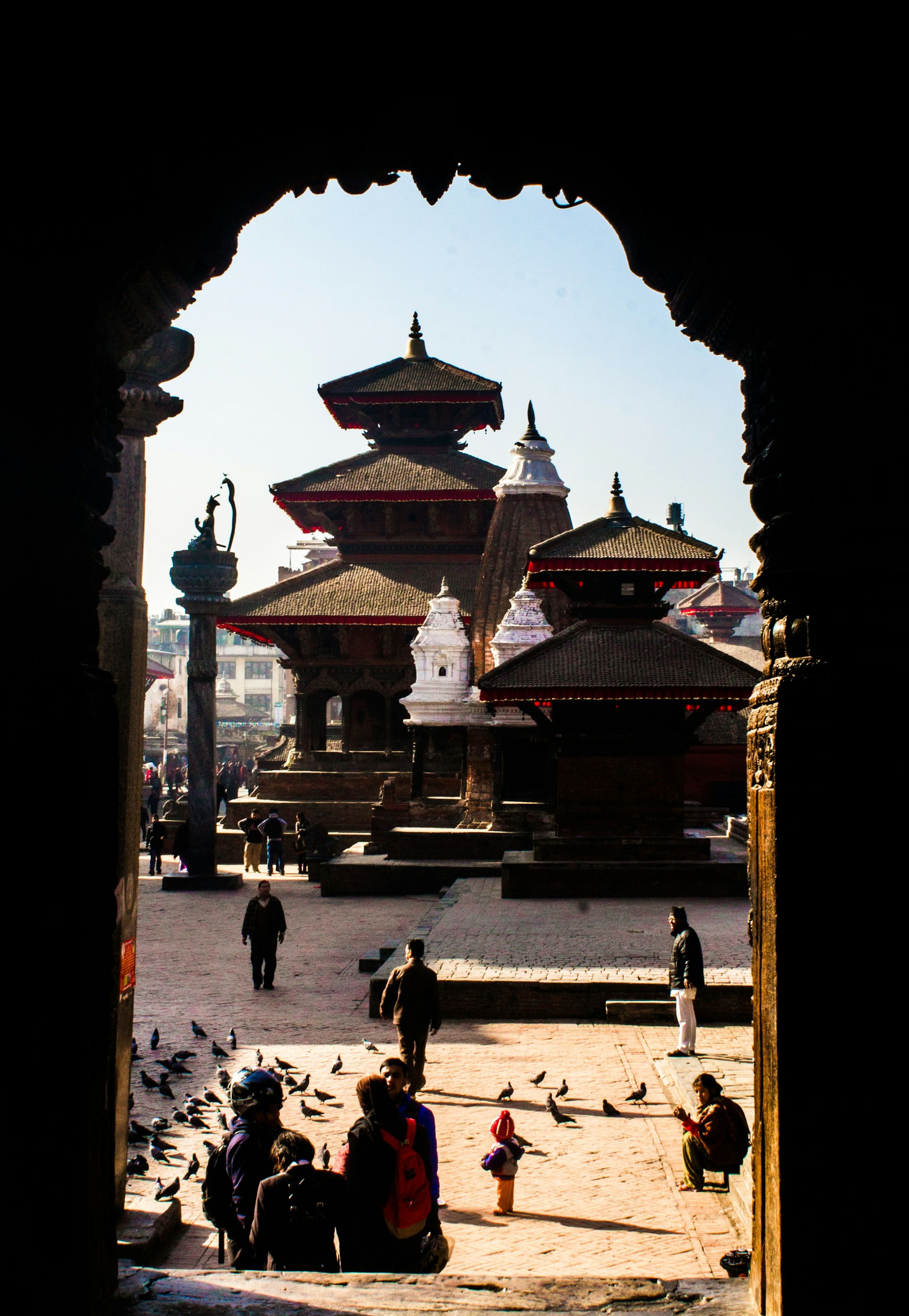
Kathmandu City Tour
A one-day cultural exploration of Nepal's capital, featuring UNESCO World Heritage Sites, ancient temples, and vibrant markets.
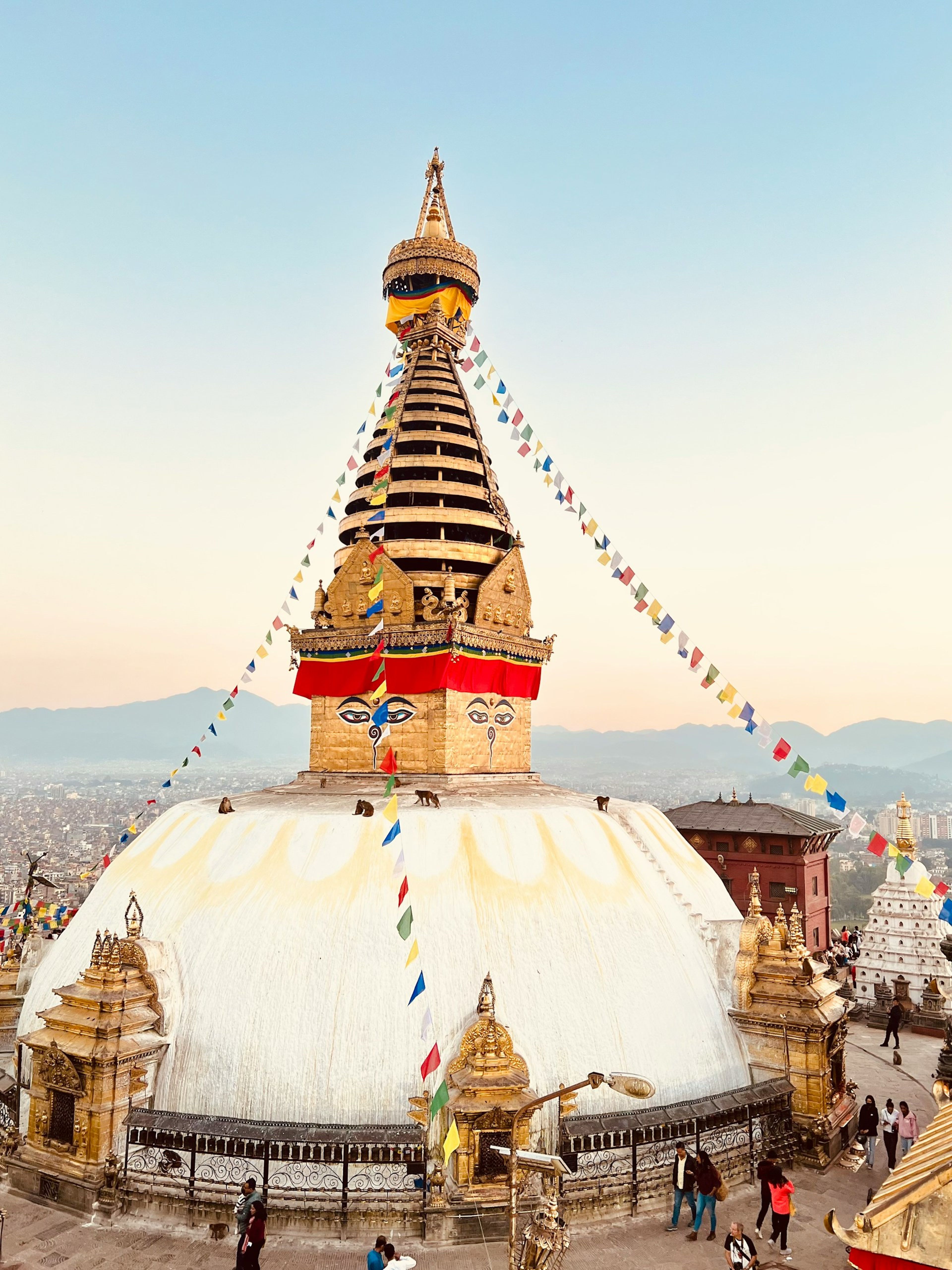
World Heritage Site Tour
Explore seven UNESCO World Heritage Sites across the Kathmandu Valley including three Durbar Squares, Boudhanath, Swayambhunath, Pashupatinath, and Changunarayan on this immersive 3-day cultural tour.
Frequently asked questions
How many days should I plan for a Kathmandu Valley itinerary?
Two days covers the main highlights. Three days is stronger for Patan, Bhaktapur, Nagarkot, and food experiences.
What is the best time for a Kathmandu Valley itinerary?
Cooler months from October to April are easiest for walking. Monsoon works with a more flexible indoor/outdoor route.
Is a Kathmandu Valley itinerary good for families?
Yes, if each day has fewer stops, private transport, and breaks between temple squares.
Do I need a guide for a Kathmandu Valley itinerary?
A guide improves route flow and gives context that turns old buildings into living cultural places.
Sources and official references
We use official and primary sources where possible. Travel rules, access, and operating conditions can change, so confirm requirements before departure.
Nepal Tourism Board Kathmandu Valley guide
Official tourism-board reference for Kathmandu Valley heritage and cultural travel planning.
Last checked May 6, 2026
UNESCO Kathmandu Valley World Heritage listing
UNESCO reference for Kathmandu Valley World Heritage monument zones and cultural significance.
Last checked May 6, 2026