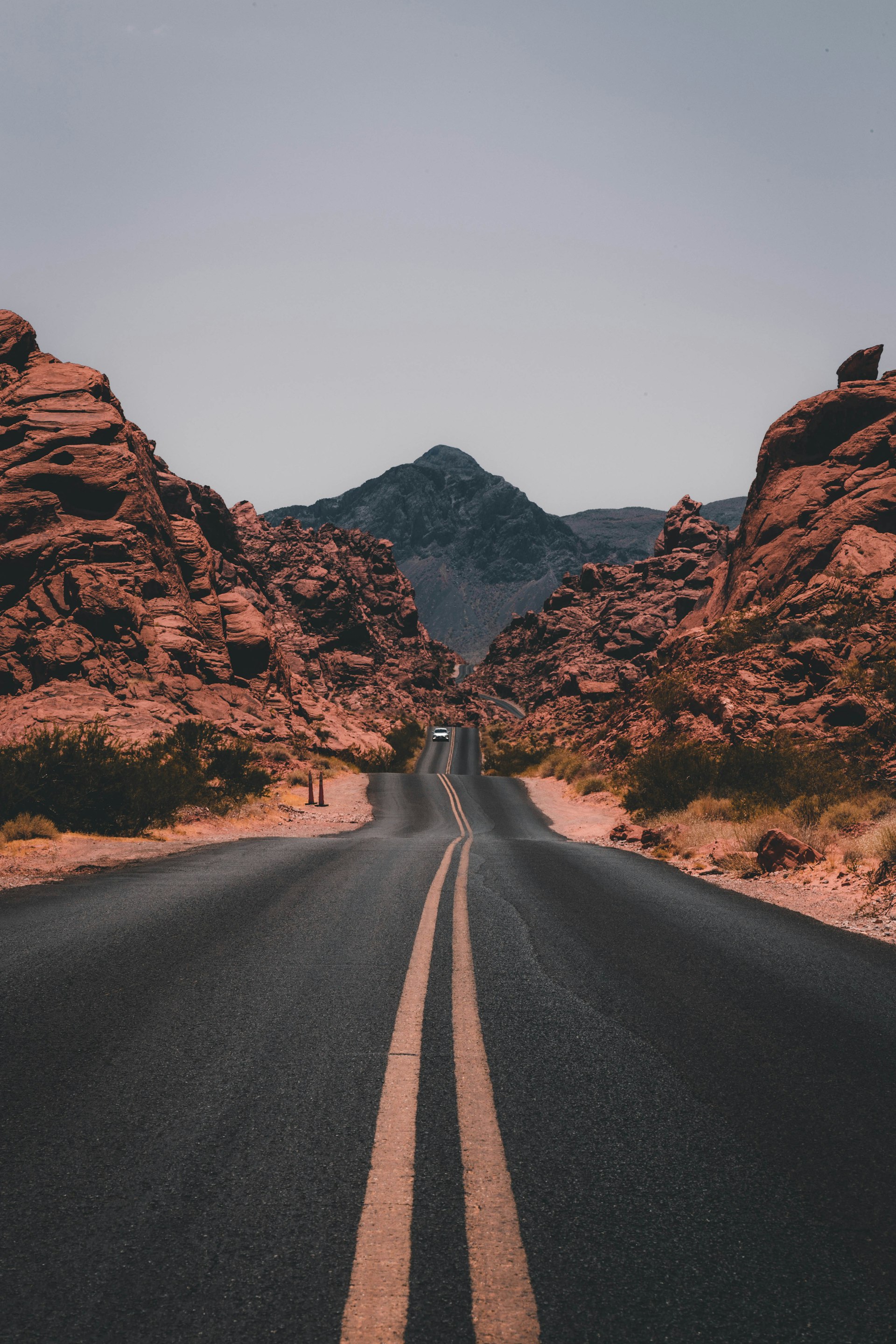
Rafting in Nepal Difficulty Guide
Rafting difficulty in Nepal is shaped by river grade, seasonal water level, group comfort in water, rescue support, and how honestly the operator matches the river to the traveler.
Rafting Difficulty in Nepal planning reality
- River grade
- Current water level
- Swimming confidence
- Rescue support
Who should choose this
- Match the activity to the traveler’s fitness, risk tolerance, and available recovery time.
- Keep weather and transfer buffers visible when comparing short activity days.
- Use the gentler version when the activity sits between long drives, trekking days, or family travel.
Best planning window
- Autumn and spring usually give the most reliable activity conditions.
- Monsoon can work for selected water activities but needs flexible expectations.
- Winter can be useful for clearer skies and quieter logistics, depending on the activity.
Logistics and safety judgment
- Confirm current weather, road, river, and operator conditions close to departure.
- Ask how activity decisions change if wind, water level, visibility, or fatigue becomes an issue.
- Avoid stacking multiple high-adrenaline activities into the same day unless the group is experienced.
Expert planning note
Use this guide with
Compare Trisuli River Rafting Adventure
Review the itinerary, inclusions, cost notes, and booking options for the closest matching package.
Best Time for Rafting in Nepal
Continue into the next planning question in this topic cluster.
Kathmandu destination guide
Check destination details, route context, and nearby trip options.
Nepal travel FAQ
Verify practical details around visas, safety, packing, payment, and trip preparation.
Related packages
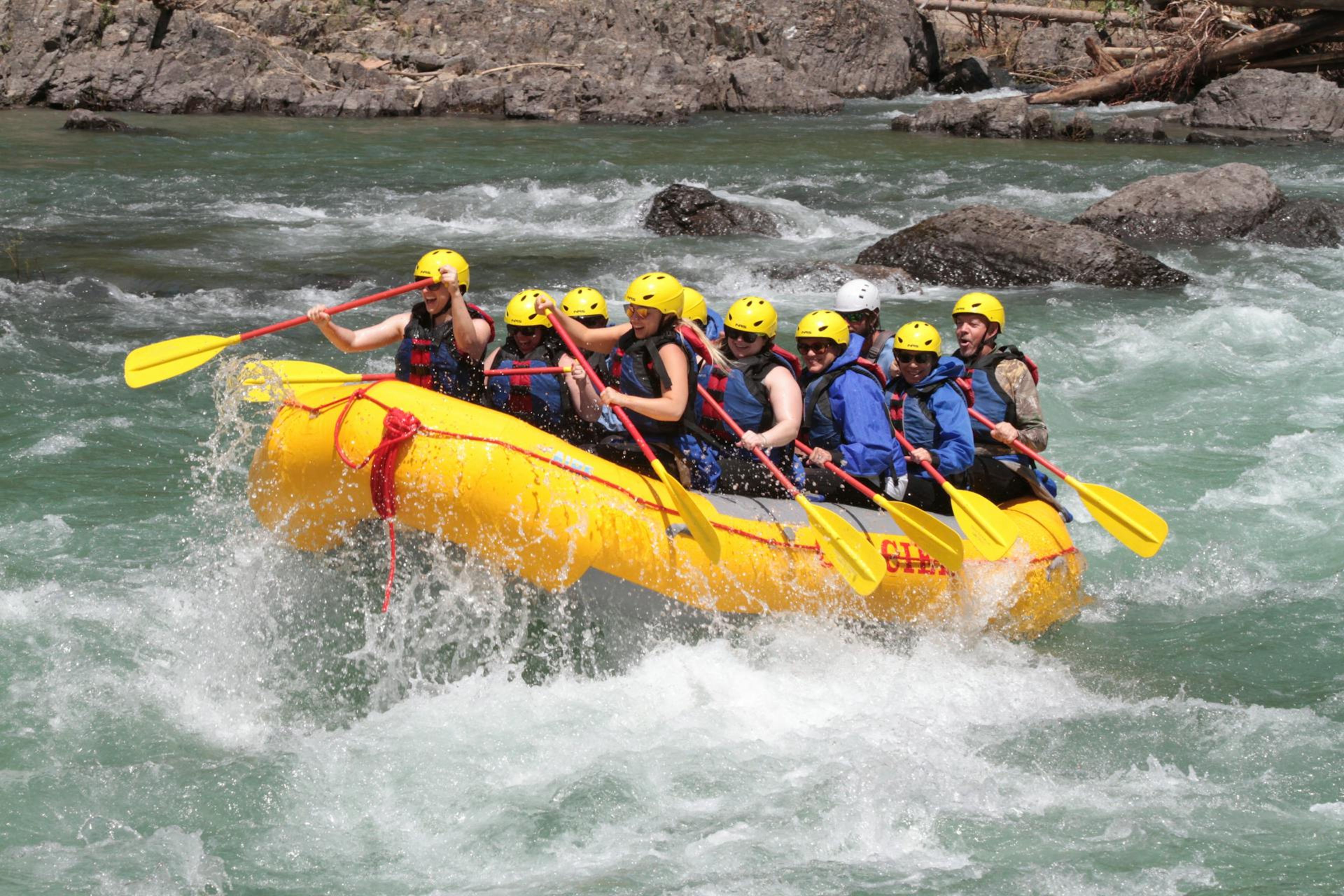
Trisuli River Rafting Adventure
Nepal's most popular rafting river with Class II-III rapids - perfect for beginners and families seeking adventure.
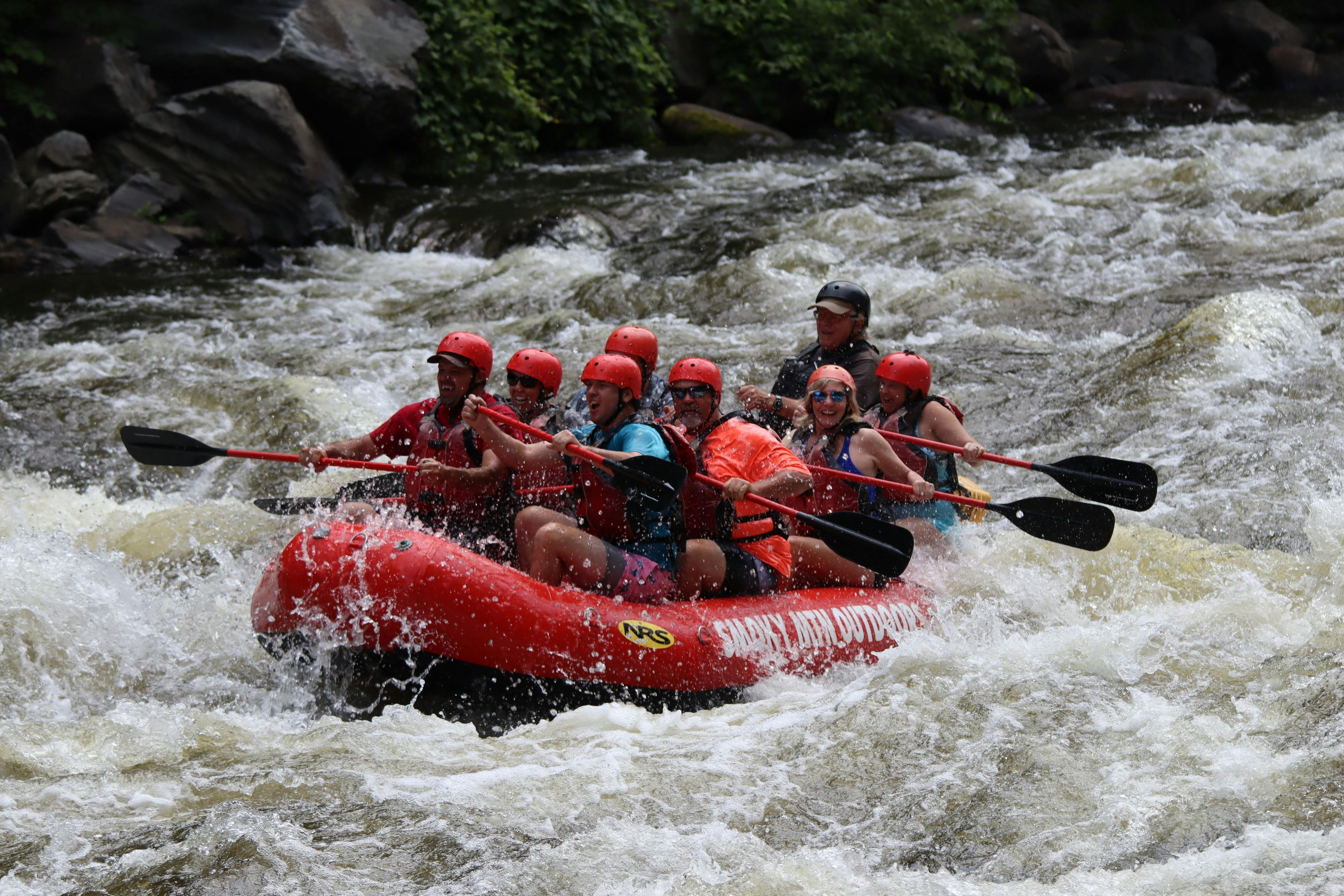
Bhote Koshi Extreme Rafting
Nepal's most intense rafting - Class IV-V rapids on the glacial-fed Bhote Koshi with overnight camping.
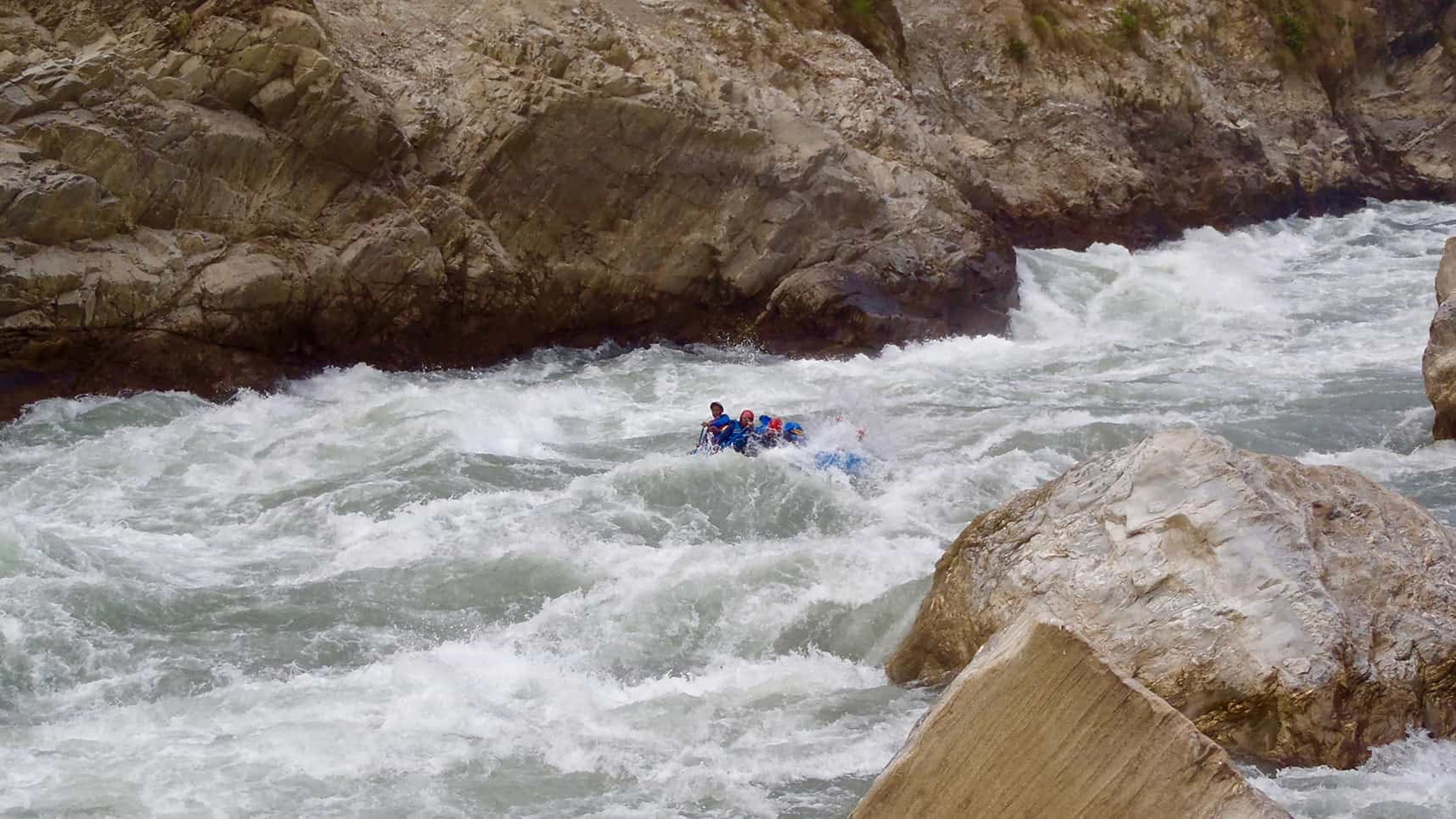
Sun Koshi River Expedition - 8 Days
One of the world's top 10 river journeys - 270km through remote Nepal with Class III-IV rapids over 8 days.
Frequently asked questions
How many days should I plan for rafting difficulty in Nepal?
Most difficulty decisions are made before a one-day river. Multi-day rafting requires stronger comfort with outdoor conditions.
What is the best time for rafting difficulty in Nepal?
Spring is often easier for beginners. Autumn can bring stronger water depending on timing.
How difficult is rafting difficulty in Nepal?
It ranges from beginner-friendly to very challenging. Choose based on current conditions and group confidence.
Do I need a guide or operator for rafting difficulty in Nepal?
Yes. A qualified river team is essential for safety decisions and rescue support.