
Pokhara Zipline Guide
The Pokhara zipline is a compact adventure activity for travelers who want speed, mountain views, and an easy add-on around Lakeside without committing to a full expedition day.
Pokhara Zipline planning reality
- Short activity window
- Lakeside transfer
- Harness briefing
- Weather-dependent views
Who should choose this
- Match the activity to the traveler’s fitness, risk tolerance, and available recovery time.
- Keep weather and transfer buffers visible when comparing short activity days.
- Use the gentler version when the activity sits between long drives, trekking days, or family travel.
Best planning window
- Autumn and spring usually give the most reliable activity conditions.
- Monsoon can work for selected water activities but needs flexible expectations.
- Winter can be useful for clearer skies and quieter logistics, depending on the activity.
Logistics and safety judgment
- Confirm current weather, road, river, and operator conditions close to departure.
- Ask how activity decisions change if wind, water level, visibility, or fatigue becomes an issue.
- Avoid stacking multiple high-adrenaline activities into the same day unless the group is experienced.
Expert planning note
Use this guide with
Compare Pokhara Paragliding Adventure
Review the itinerary, inclusions, cost notes, and booking options for the closest matching package.
Paragliding in Pokhara Guide
Continue into the next planning question in this topic cluster.
Pokhara destination guide
Check destination details, route context, and nearby trip options.
Nepal travel FAQ
Verify practical details around visas, safety, packing, payment, and trip preparation.
Related packages
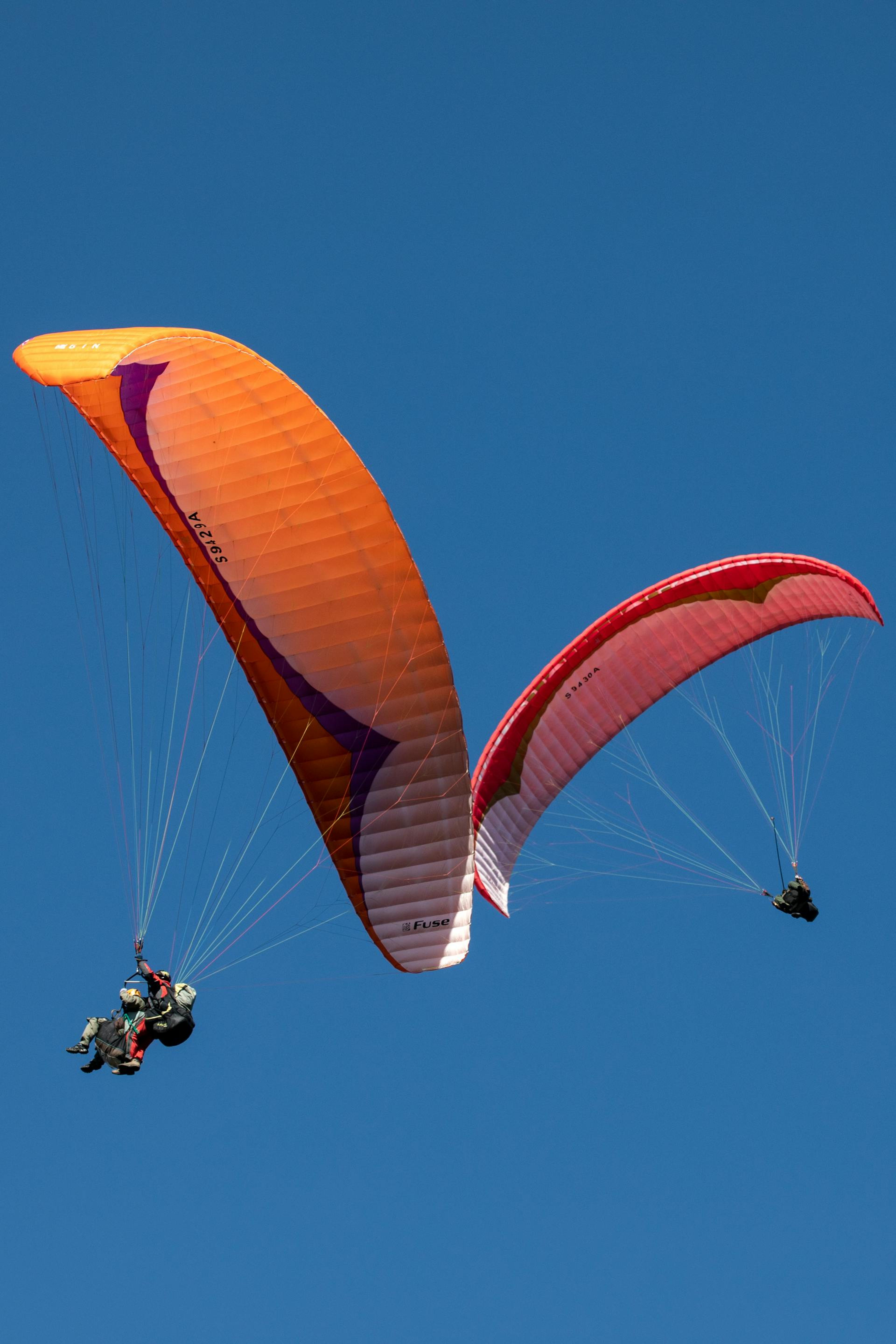
Pokhara Paragliding Adventure
Tandem paragliding over Phewa Lake with breathtaking Annapurna and Machapuchare views from Sarangkot.
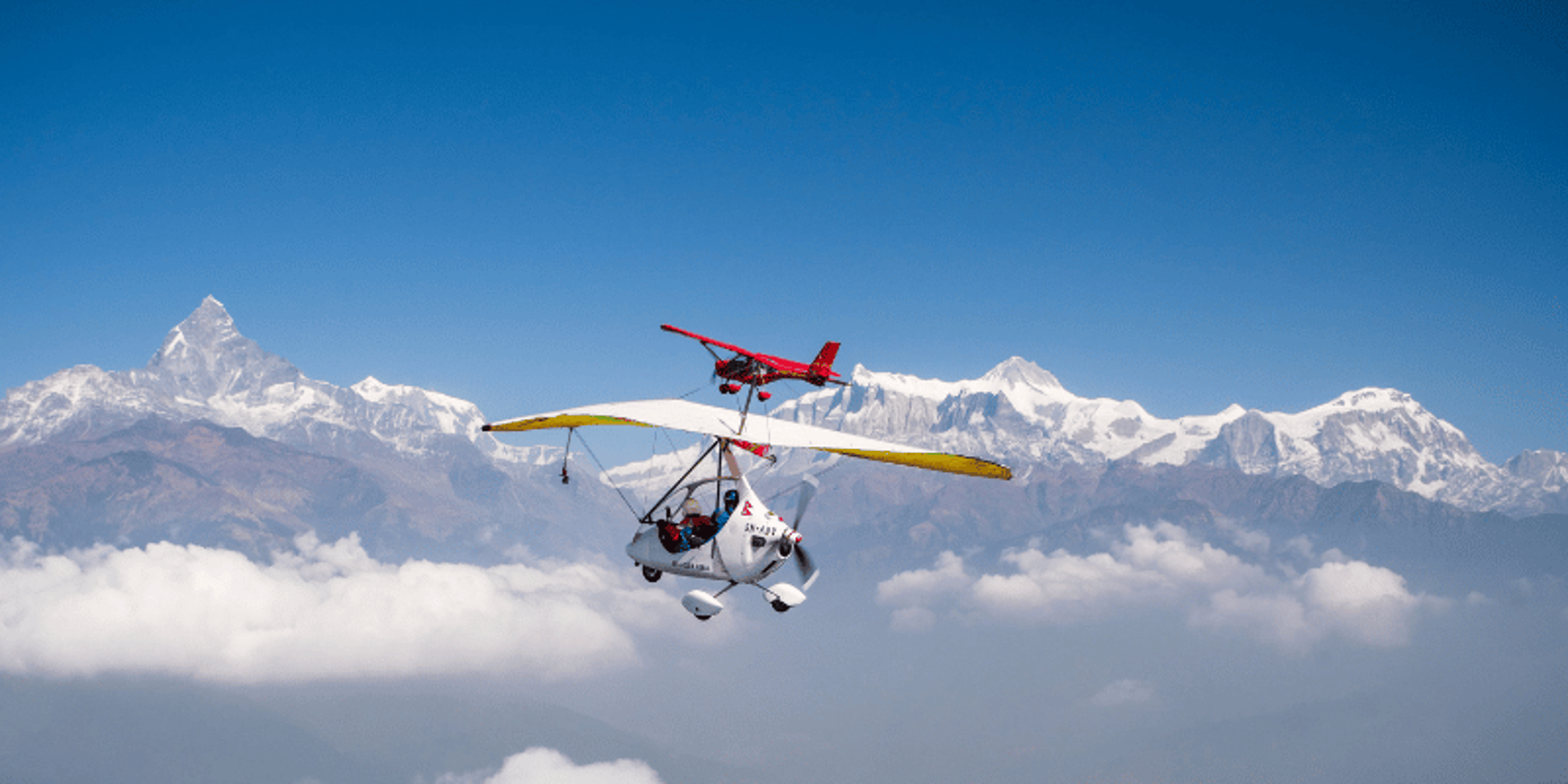
Pokhara Ultra-light Flight Experience
Open-cockpit ultralight flights over Pokhara with close-up views of Annapurna, Machapuchare, and Phewa Lake.
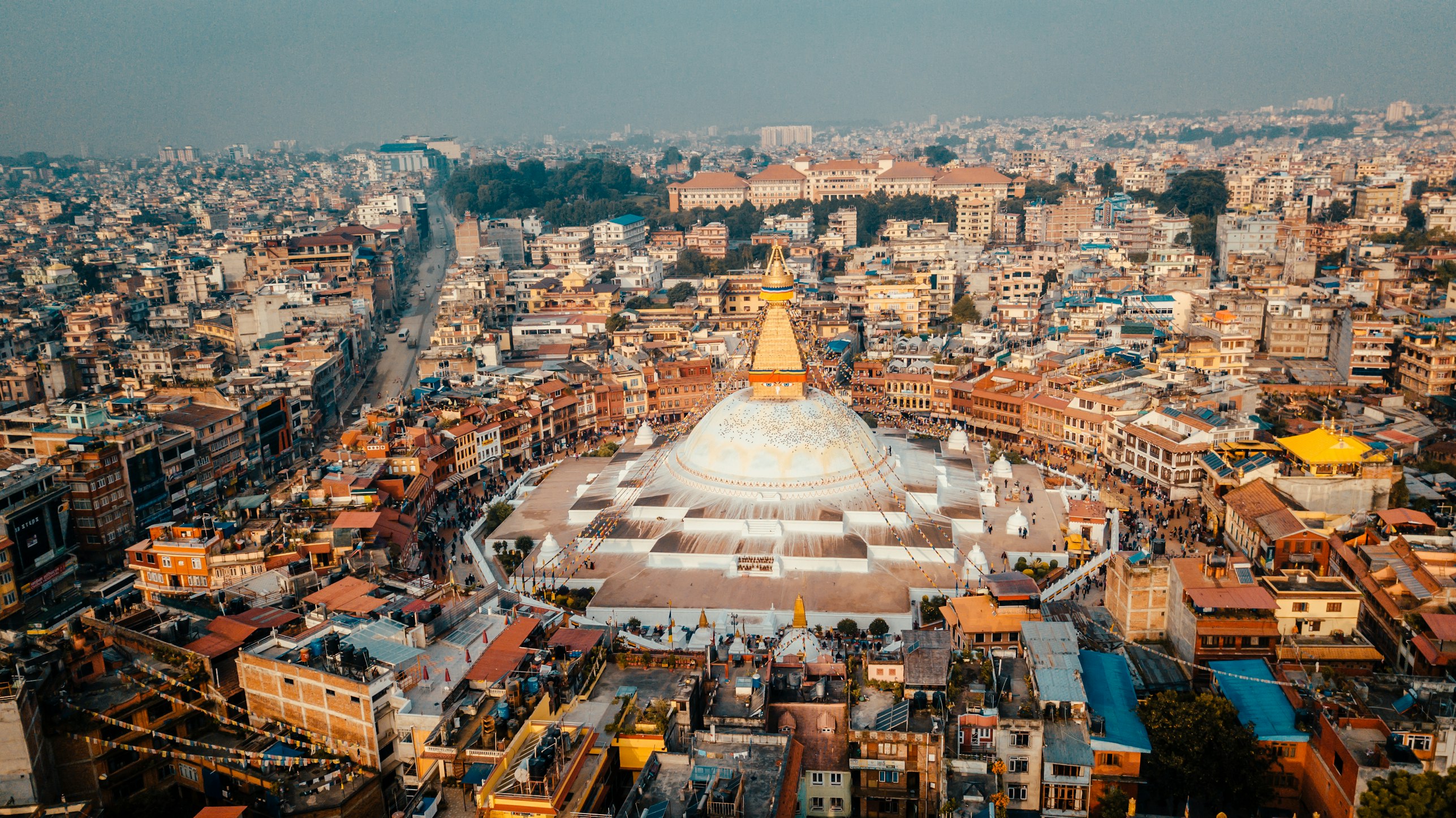
Kathmandu, Pokhara & Chitwan Luxury Tour - 8 Days
An 8-day luxury circuit through Nepal's three essential destinations — Kathmandu's heritage, Pokhara's mountains, and Chitwan's wildlife — with boutique stays and private guides throughout.
Frequently asked questions
How many days should I plan for the Pokhara zipline?
A half day is enough, though weather flexibility helps.
What is the best time for the Pokhara zipline?
Clearer months from October to April are easiest for views and comfort.
How difficult is the Pokhara zipline?
Physical difficulty is low, but travelers should be comfortable with height and speed.
Do I need a guide or operator for the Pokhara zipline?
Use the zipline operator’s trained activity team and follow all launch instructions.