Nepal Trekking Permits
Nepal trekking permits vary by region. Some routes need conservation area or national park permits, some require local municipality fees, and restricted areas require special permits plus licensed guide arrangements.
Common permit types
- Sagarmatha National Park and Khumbu local fees for Everest
- ACAP for Annapurna routes
- Langtang National Park permit for Langtang
- Restricted area permits for Manaslu, Upper Mustang, Nar Phu, and similar regions
When guides are required
What to prepare
Use this guide with
Compare Everest Base Camp Trek - 14 Days
Review the itinerary, inclusions, cost notes, and booking options for the closest matching package.
Best Time to Visit Nepal
Continue into the next planning question in this topic cluster.
Everest Region destination guide
Check destination details, route context, and nearby trip options.
Nepal travel FAQ
Verify practical details around visas, safety, packing, payment, and trip preparation.
Related packages
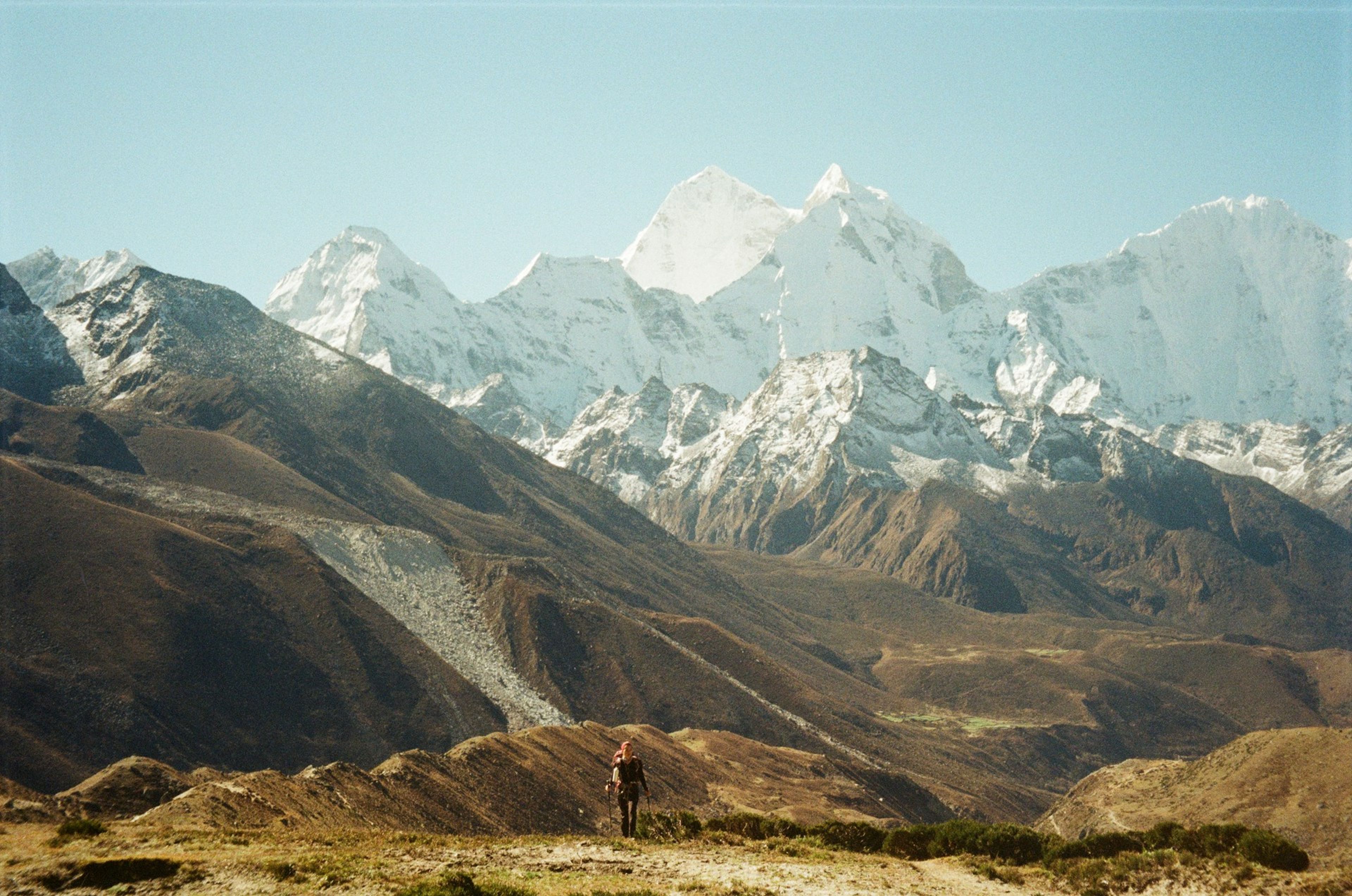
Everest Base Camp Trek - 14 Days
Experience the ultimate Himalayan adventure on this 14-day journey to Everest Base Camp, featuring stunning mountain vistas, Sherpa culture, and the iconic Kala Patthar sunrise.
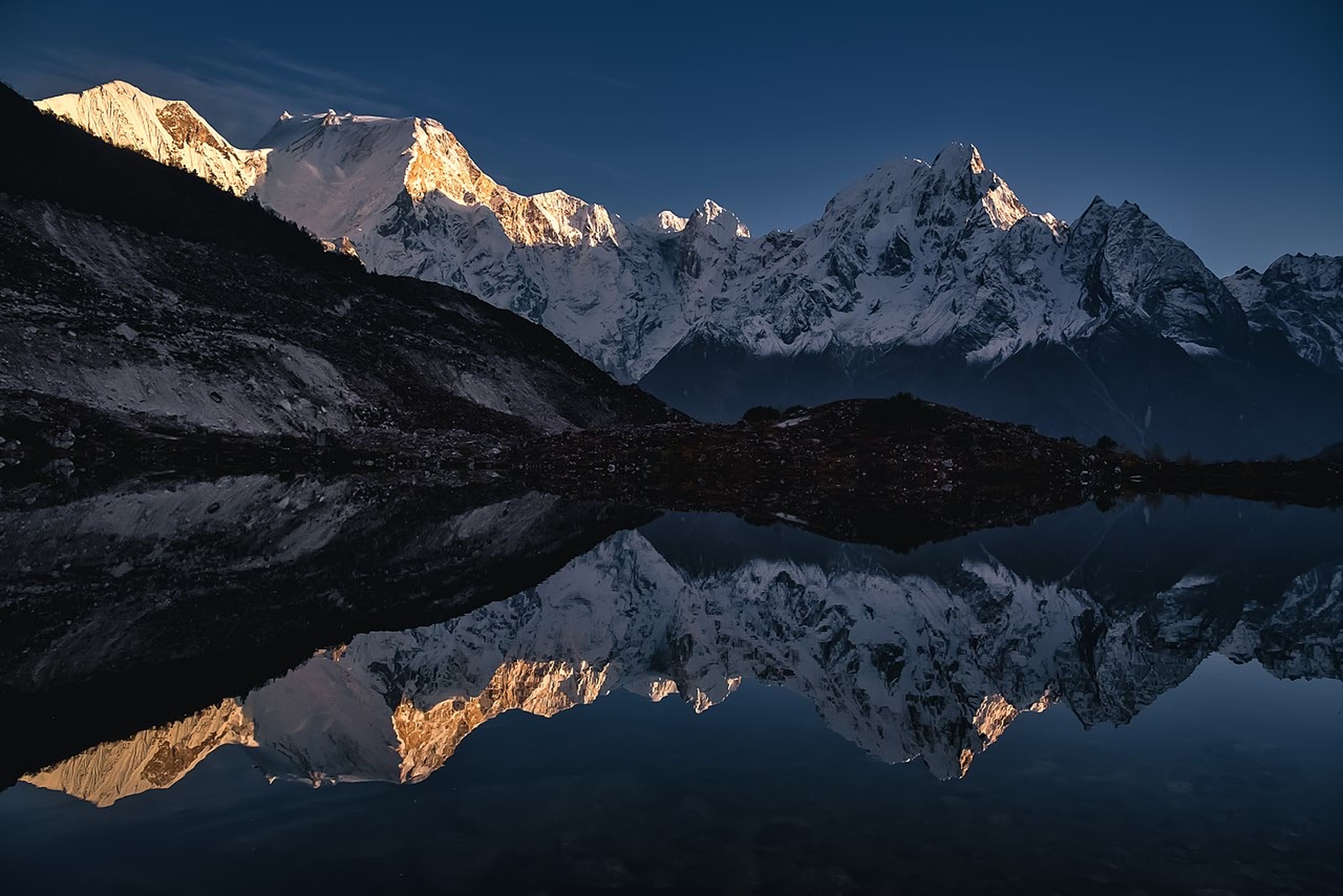
Manaslu Circuit Trek
Circle the world's eighth-highest peak on this remote adventure, crossing the spectacular Larkya La Pass at 5,167m.
Frequently asked questions
Can I get Nepal trekking permits after arriving?
Usually yes for many common routes, but restricted area permits need advance coordination through a registered agency and licensed guide.
Do permit rules change?
Yes. Requirements can change by region and season, so permit details should be checked before each trip rather than copied from old information.
Sources and official references
We use official and primary sources where possible. Travel rules, access, and operating conditions can change, so confirm requirements before departure.
Nepal Tourism Board trekking permit guidance
Official tourism-board guidance for Nepal trekking permit planning and restricted-area preparation.
Last checked May 6, 2026
Department of Immigration trekking permit rules
Government immigration guidance for restricted-area trekking permits and trekking access rules.
Last checked May 6, 2026
NTNC conservation area ePermit portal
Official NTNC permit portal for conservation areas including Annapurna and Manaslu-managed areas.
Last checked May 6, 2026
Nepal Tourism Board protected-area entry guidance
Official tourism-board reference for protected-area entry requirements across Nepal.
Last checked May 6, 2026